Vance says Iran talks make great progress ahead of Switzerland meeting
Vance praised “great progress” in Switzerland talks, but the real test was whether Qatar and Pakistan could turn mediation into enforceable steps as Lebanon fighting threatened momentum.
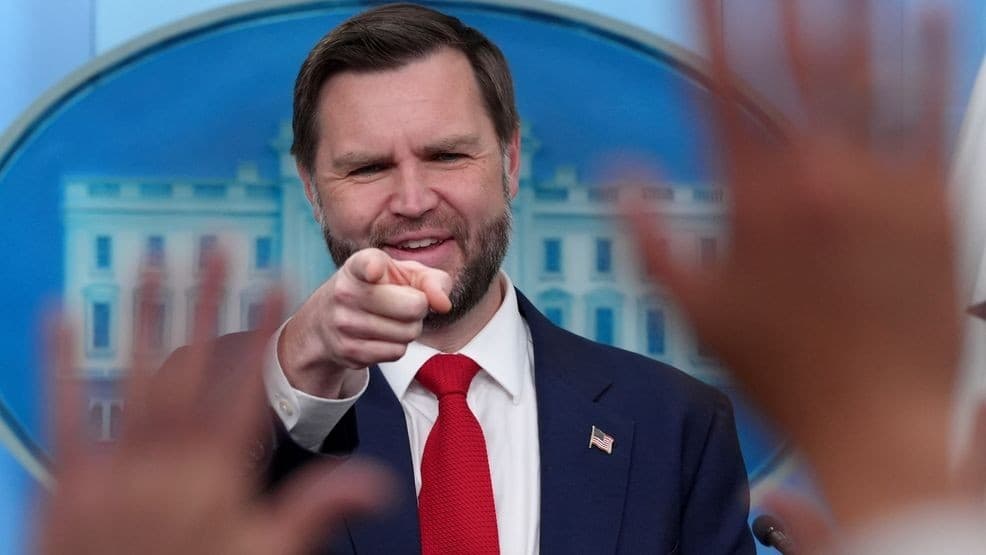
Great progress was the language, but the substance remained narrower: whether Qatar and Pakistan could turn a rare U.S.-Iran channel into commitments that actually hold. At the Bürgenstock resort overlooking Lake Lucerne, Vice President JD Vance stood with Pakistani Prime Minister Shehbaz Sharif and Qatari Prime Minister Sheikh Mohammed bin Abdulrahman bin Jassim Al-Thani before a quadrilateral meeting that put the United States, Iran, Pakistan and Qatar in the same diplomatic frame.
Qatar’s foreign ministry said negotiations had begun between Washington and Tehran, with Qatar and Pakistan mediating the talks in Switzerland. Iran sent a high-level delegation led by Parliament Speaker Mohammad Bagher Ghalibaf and Foreign Minister Abbas Araghchi, underscoring that Tehran was treating the discussions as more than a symbolic contact. Vance said the United States had made “great progress” in the last few hours and expected more in the hours ahead, adding that many U.S. goals had already been achieved.
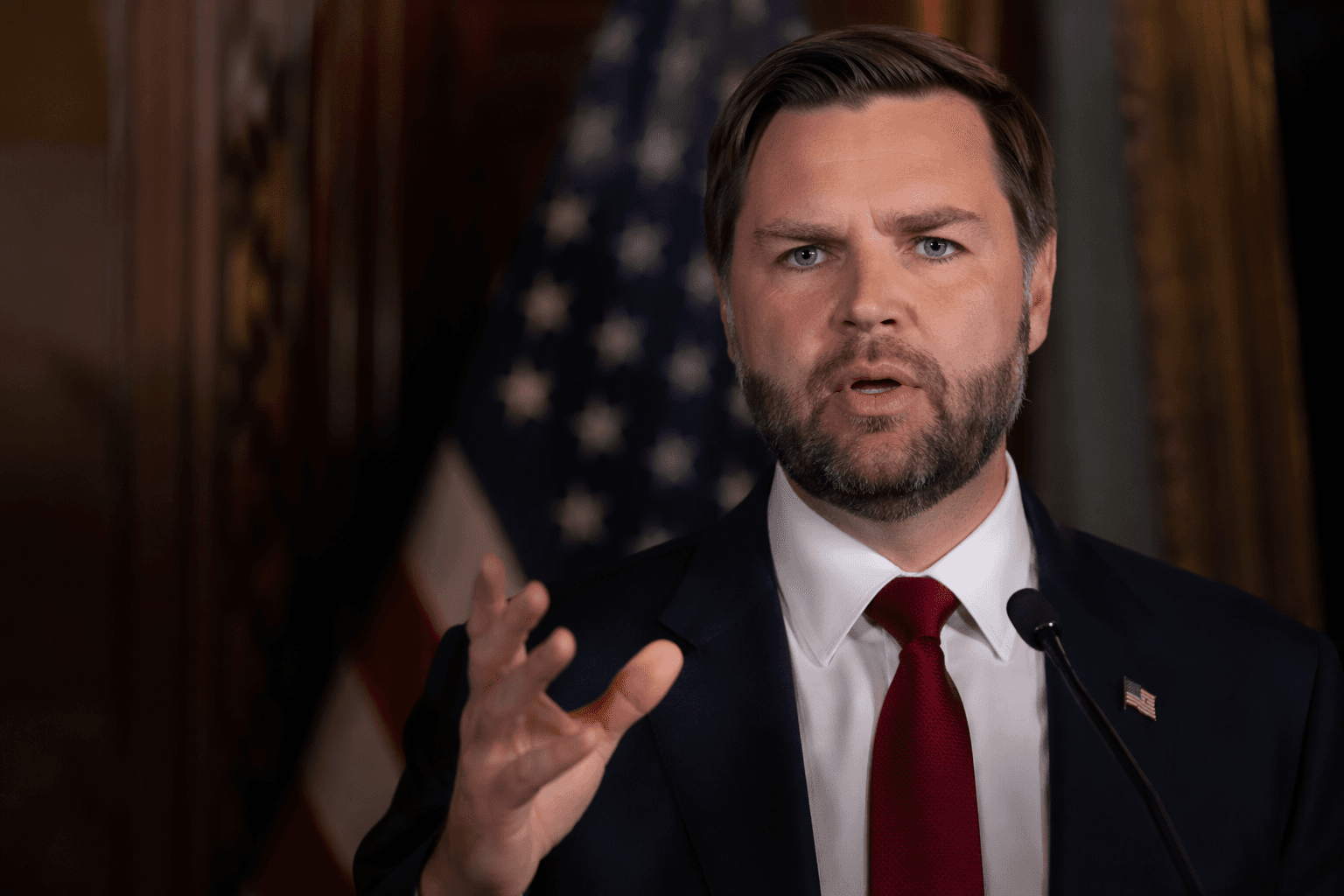
That is where the gap between rhetoric and leverage became visible. Vance said the remaining issues were about what more diplomacy could accomplish after some U.S. objectives had been met. He also said technical negotiations would allow the sides to sit together as teams “for the first time in history,” a striking formulation that suggested a new channel could be forming even as it remained unclear how durable any breakthrough would be.
The agenda was complicated by renewed fighting in Lebanon, which live coverage said was threatening the momentum of the talks. Iran’s foreign ministry spokesman Esmaeil Baqaei said ending the war on all fronts, including Lebanon, would be among the discussion points, while the United States and Iran both signaled that the Lebanon front could shape the outcome. Vance downplayed the fighting, saying ceasefires are messy and that President Donald Trump was committed to a full regional ceasefire.
Pakistan’s role gave the session added weight. Reports said Field Marshal Syed Asim Munir played an important behind-the-scenes mediating role, and Vance praised Pakistan’s involvement as the process opened. Shehbaz Sharif and Munir had also held a bilateral meeting with the U.S. negotiating team before the talks in Bürgenstock, while Sheikh Mohammed was said to have praised Pakistan’s leadership during the opening session. For now, the unusual U.S.-Pakistan-Qatar-Iran configuration signals real diplomatic movement, but the central question is whether it produces enforceable commitments or only the appearance of momentum.
This article was produced by Prism’s automated news system from verified source data, official records, and press releases, then run through automated quality and moderation checks before publishing. The system is built and supervised by the people who set the standards it runs under. Read our full AI policy.
Did this article answer your question?