Vance to host state attorneys general for White House fraud meeting
Vance brought state attorneys general into the White House fraud push as the administration widened its crackdown from benefits programs to cybercrime and state-level enforcement.

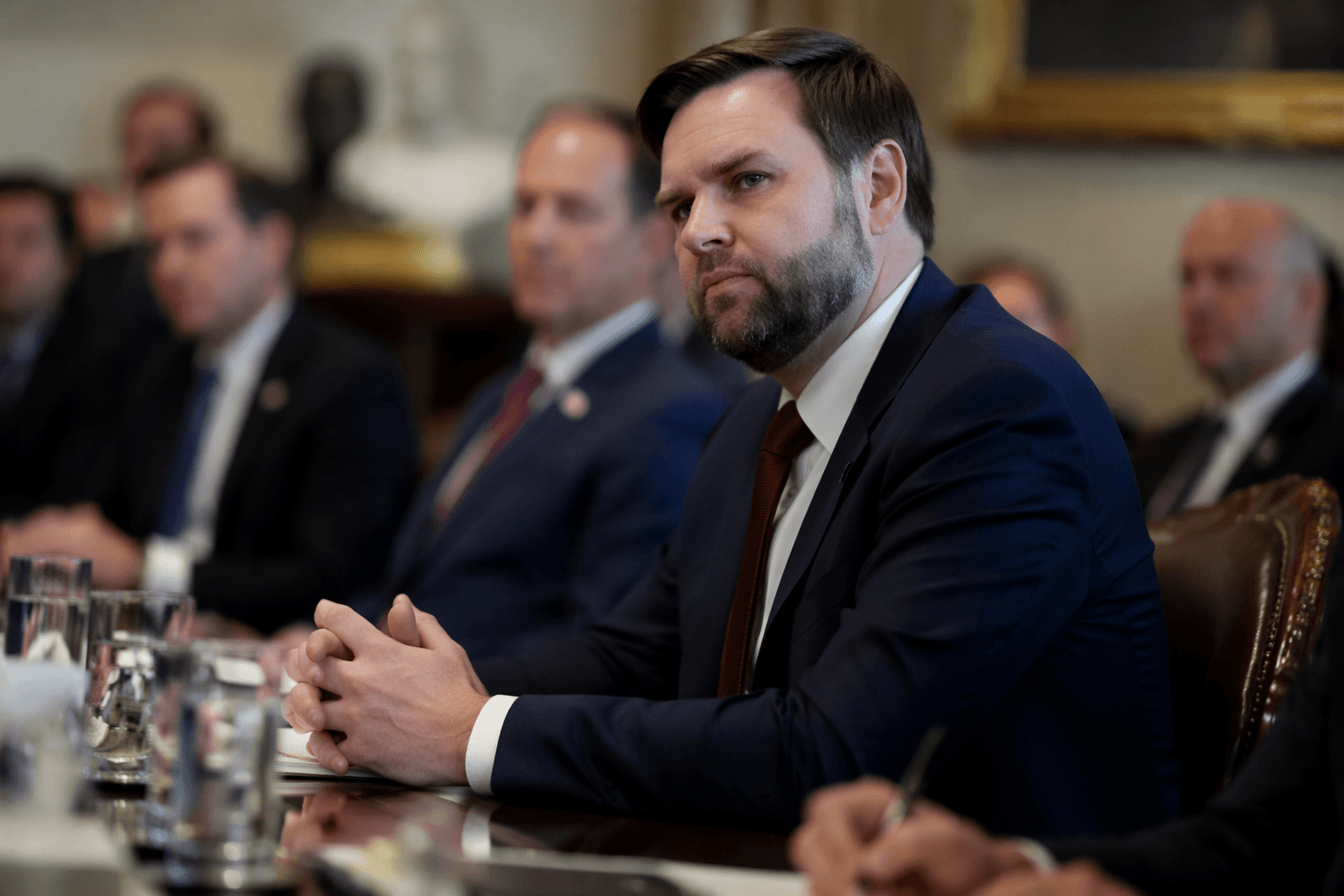
Vice President JD Vance brought state attorneys general to the White House on Tuesday for a fraud task force meeting that tested whether the administration was building a real enforcement partnership or mainly expanding a political message.
President Donald Trump created the Task Force to Eliminate Fraud on March 16, placing it inside the Executive Office of the President and naming Vance as chairman. White House materials say the Federal Trade Commission chair serves as vice chair and the assistant to the president for homeland security serves as senior adviser, giving the vice president a central role in a new anti-fraud apparatus that the administration says is meant to coordinate a national strategy against fraud, waste and abuse in federal benefit programs.
Trump expanded the campaign a few days earlier with a separate March 6 order on cybercrime, fraud and predatory schemes against American citizens. Together, the two orders show a broadening agenda: not just misuse of benefits, but a wider sweep that touches online scams, predatory conduct and the administration’s claims of abuse in federal spending.
The White House has tied the effort to housing, food, medical care and cash assistance, with Minnesota emerging as the sharpest political flashpoint as federal and state scrutiny has intensified over allegedly improper social-services payments. The task force first met on March 27 in the Eisenhower Executive Office Building on the White House complex, where Vance targeted possible misuse of social programs and signaled that the administration intended to press states more directly on fraud enforcement.
Tuesday’s meeting put that strategy to a sharper test. Bringing attorneys general into the room could improve coordination with state law enforcement, but the invite list also carried a partisan edge, with Democratic attorneys general excluded from the gathering. That limitation matters because the White House has framed the task force as a national campaign, even as its rollout has leaned heavily on Republican officials and politically charged examples to make the case.
The real measure of the initiative is whether it produces more than messaging. If the White House can drive case referrals, joint audits, recoveries and clearer lines between federal and state enforcement, Vance’s task force could become a durable intergovernmental tool. If not, the meeting will look less like a governing mechanism than a law-and-order signal wrapped in White House branding.
This article was produced by Prism’s automated news system from verified source data, official records, and press releases, then run through automated quality and moderation checks before publishing. The system is built and supervised by the people who set the standards it runs under. Read our full AI policy.
Did this article answer your question?

