Vance warns AI must not make life-and-death military decisions
At Falcon Stadium, Vance told 931 cadets AI may shape warfare, but humans must keep the killing decision as U.S. policy and UN warnings sharpen the debate.

Vice President JD Vance used the Air Force Academy’s 68th commencement to draw a hard doctrinal line: artificial intelligence may reshape war, but it must not be allowed to decide who lives or dies.
Speaking at Falcon Stadium in Colorado Springs, Colorado, Vance addressed 931 cadets as they commissioned as officers in the U.S. Air Force and U.S. Space Force. The ceremony capped graduation week, which ran from May 24 to May 28, and ended with an Air Force Thunderbirds flyover.
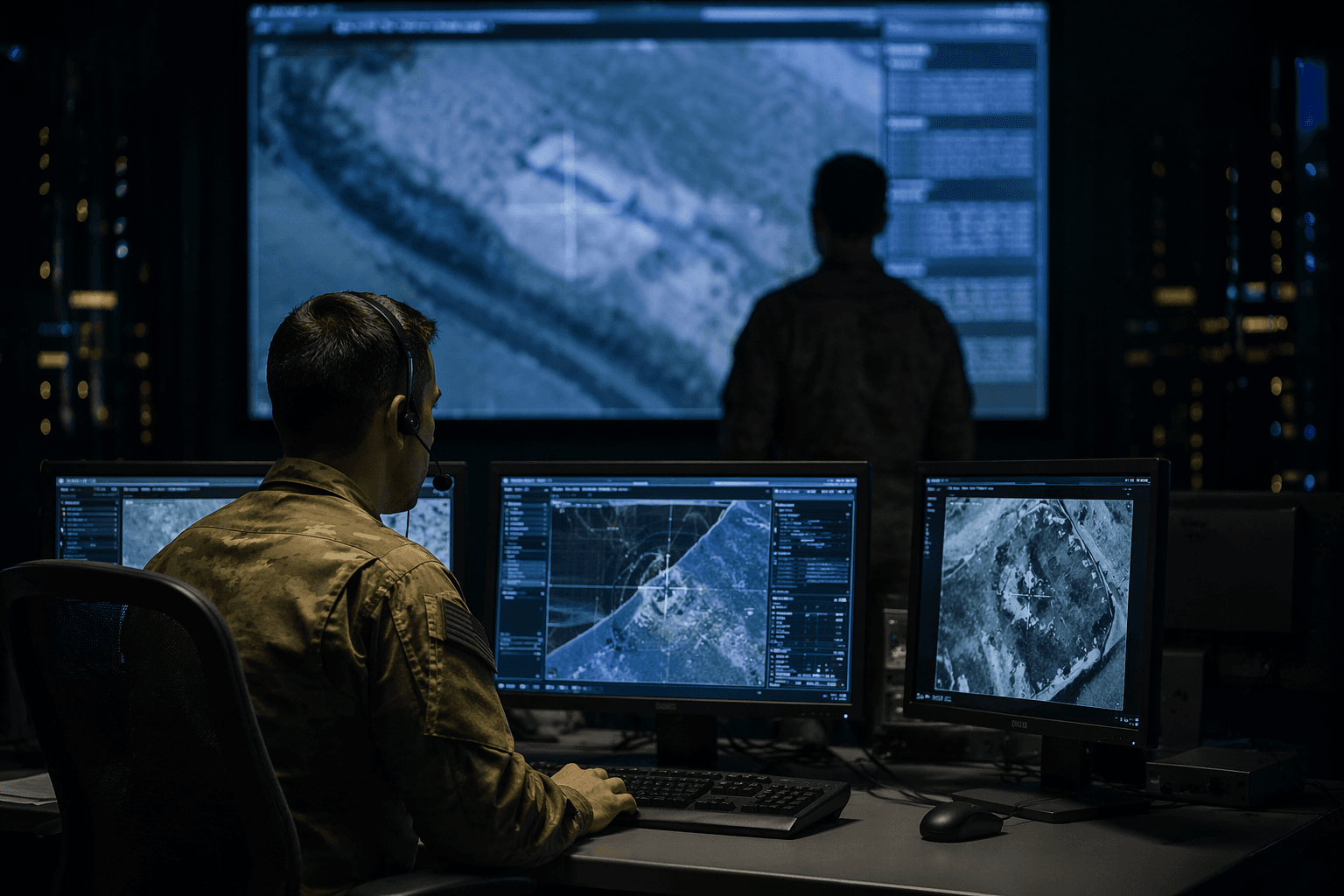
Vance told the class that the next era of conflict would be shaped by autonomous systems, AI and cyber operations, technologies that are advancing far faster than military institutions have historically adapted. His warning was direct: life-and-death decisions should not be made by AI, and the killing decision must remain with humans.
The message landed in the middle of a broader debate inside the Pentagon and at the United Nations over how much autonomy militaries should allow machines. The Defense Department’s Directive 3000.09, updated on Jan. 25, 2023, says autonomous and semi-autonomous weapon systems must be designed so commanders and operators can exercise appropriate levels of human judgment over the use of force. That standard does not ban autonomy, but it does set a clear expectation that human judgment remains part of the chain.

International bodies have pushed even harder. The United Nations General Assembly has warned that AI and autonomy in the military domain raise risks of arms races, escalation, proliferation and humanitarian harm. The United Nations Office for Disarmament Affairs says the secretary-general has recommended a legally binding instrument by 2026 to prohibit lethal autonomous weapon systems that function without human control or oversight.

Vance, a Marine Corps veteran who served on active duty from 2003 to 2007 and was sworn in as vice president on Jan. 20, 2025, has tried to frame AI as a tool rather than a replacement for people. At the Paris AI Action Summit on Feb. 11, 2025, he said the technology should make people more productive, prosperous and free, and should “never replace humans.” At the academy, that argument took on a sharper edge: future officers will need not only to use AI, but to know when to reject it. In the doctrine of war, Vance made clear, the final decision must stay human.
This article was produced by Prism’s automated news system from verified source data, official records, and press releases, then run through automated quality and moderation checks before publishing. The system is built and supervised by the people who set the standards it runs under. Read our full AI policy.
Did this article answer your question?

