Venezuela earthquakes overwhelm aid response as needs surge nationwide
Two quakes 39 seconds apart battered Venezuela, but aid still trails a crisis that had already left nearly 8 million people needing support.
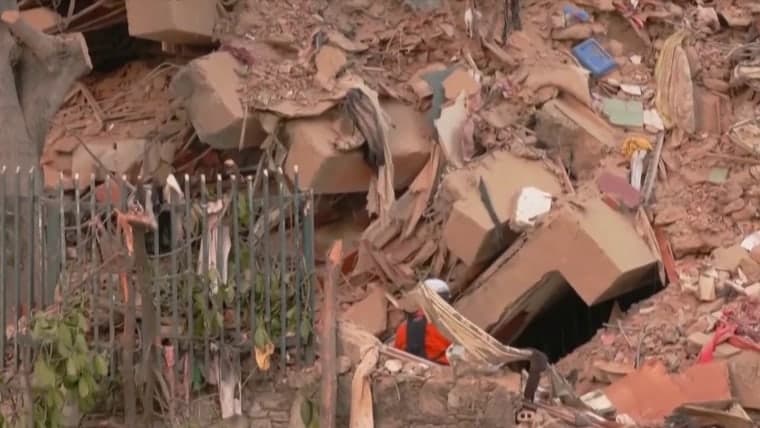
A 7.5 magnitude earthquake ripped through north-central Venezuela 39 seconds after a 7.2 foreshock on June 24, overwhelming a relief system already stretched across a country where nearly 8 million people needed humanitarian support before the ground moved.
The International Federation of the Red Cross and Red Crescent Societies put the first quake at about 6:04 p.m. local time, with epicenters in the Yaracuy region. The mainshock followed less than a minute later, sending shock waves across Caracas and into La Guaira, Miranda, Carabobo and Yaracuy, roughly 100 miles west of the capital. In hard-hit neighborhoods, residents have been digging through rubble themselves because not every collapsed building has had professional rescue teams on site.
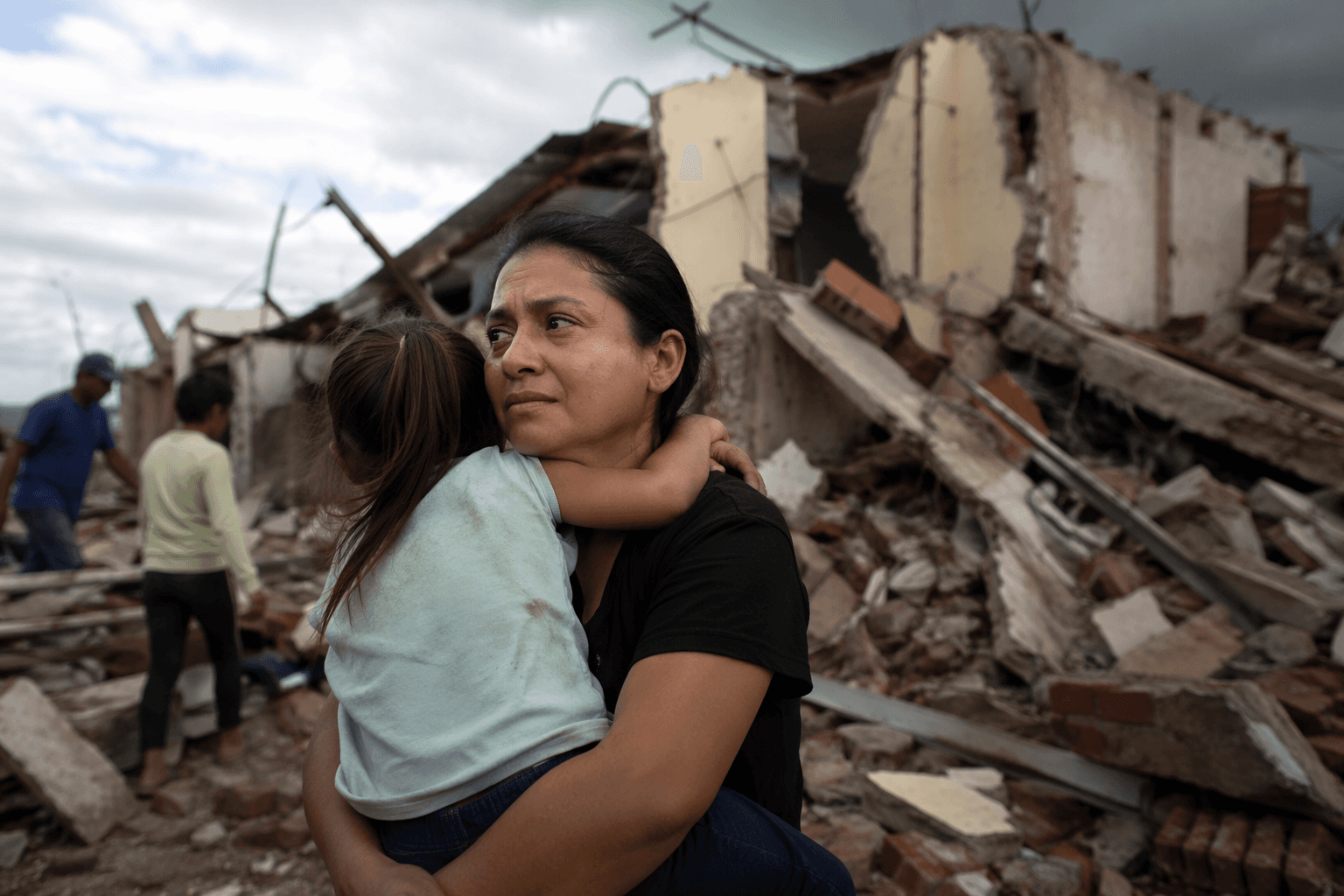
The disaster has piled new strain onto a population already battered by years of collapse in public services and income. The UN’s 2026 response plan for Venezuela calls for US$606 million to reach 5.4 million people, including 900,000 of the most vulnerable. But that target still falls 2.6 million people short of the nearly 8 million who were already in need before the earthquakes, and UNICEF now estimates another 1.8 million people, including 680,000 children, need humanitarian assistance.
UNICEF’s preliminary satellite analysis found nearly a third of buildings in Catia La Mar, in La Guaira state, had been damaged. UNHCR’s initial field assessments showed a dramatic surge in humanitarian and protection needs, with food shortages widespread in La Guaira, basic services broken down and connectivity largely severed.

Health workers are also confronting a new layer of risk. The health system is under severe strain, while thousands of displaced people sleeping in the open or in crowded shelters face additional health threats. More donor funding is essential to restore health services and keep the response coordinated.
This article was produced by Prism’s automated news system from verified source data, official records, and press releases, then run through automated quality and moderation checks before publishing. The system is built and supervised by the people who set the standards it runs under. Read our full AI policy.
Did this article answer your question?