Venezuela earthquakes trigger emergency response and rescue operations
Two major quakes hit north-central Venezuela 39 seconds apart, and Red Cross teams are now searching, evacuating and racing to keep families linked.
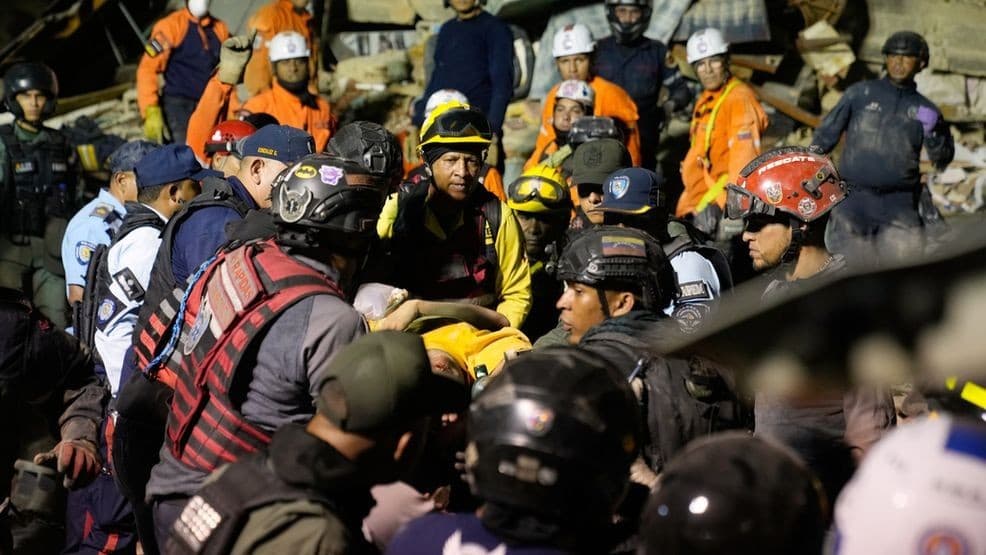
Two powerful earthquakes struck north-central Venezuela 39 seconds apart on June 24, leaving damaged homes, disrupted services and a fast-moving rescue operation across Caracas, La Guaira and Greater Caracas. Relief is already flowing through established humanitarian systems, especially the Venezuelan Red Cross and the International Federation of Red Cross and Red Crescent Societies.
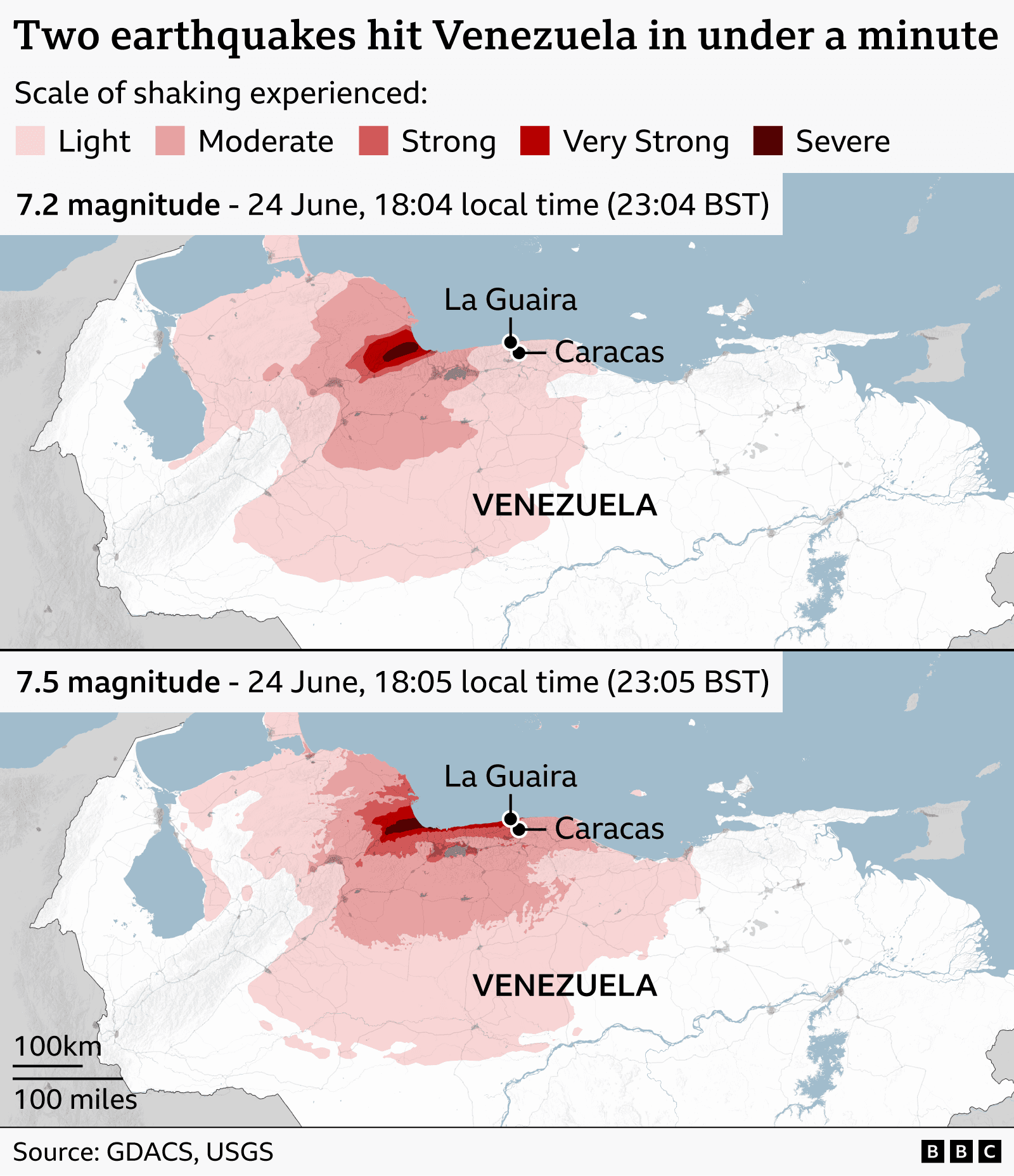
The first tremor measured magnitude 7.2 and hit around 6:04 p.m. local time, followed by a magnitude 7.5 mainshock seconds later, with epicentres in the Yaracuy region. Authorities declared a state of emergency, suspended classes and non-essential activities, ordered preventive evacuations and activated search-and-rescue operations while hospitals received the injured. Power, telecommunications and transport were disrupted, and health and transport infrastructure sustained critical damage. Interim President Delcy Rodríguez said at least 164 people were confirmed dead and nearly 1,000 injured, while an early missing-person tracking site listed more than 24,000 people as unaccounted for.
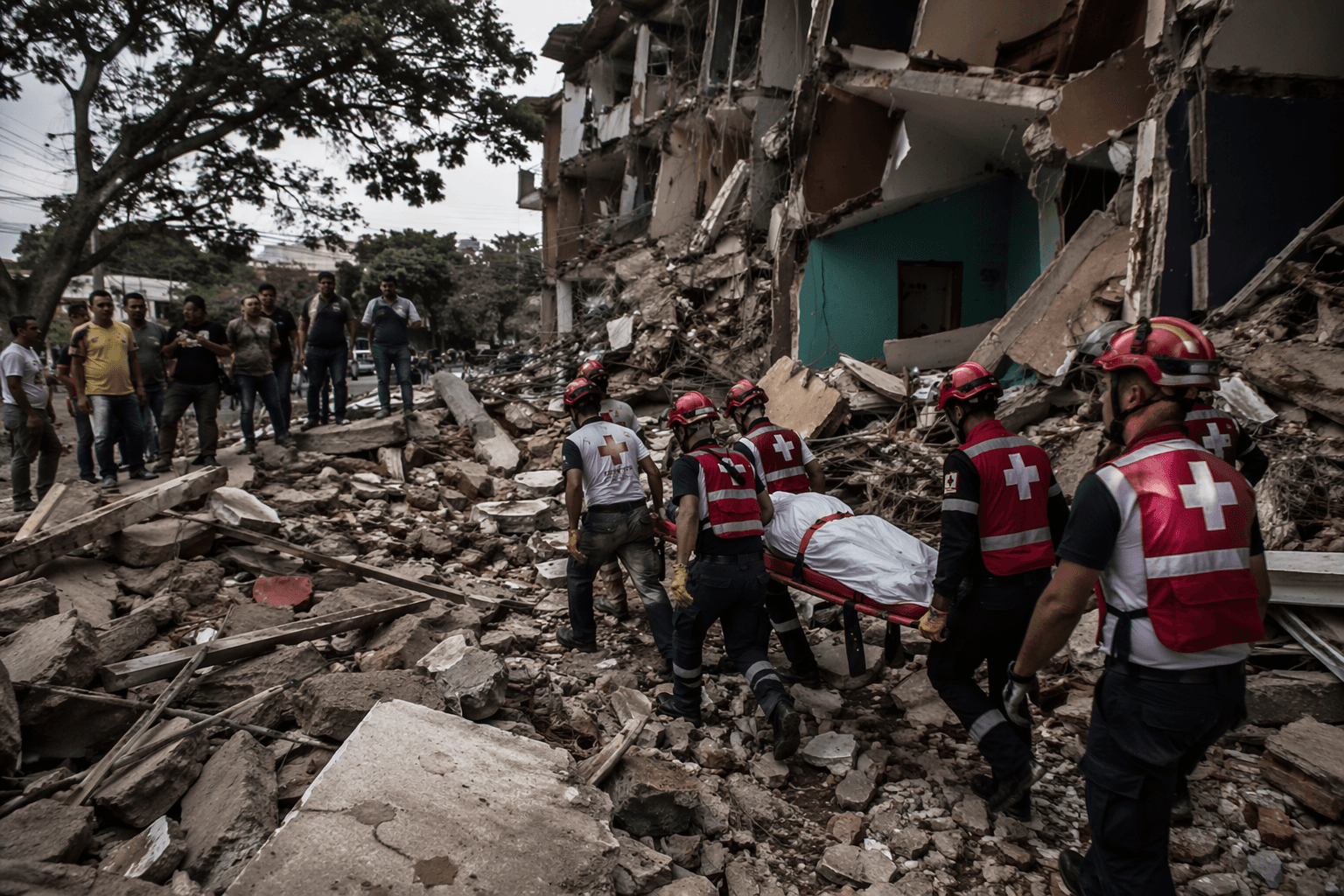
The USGS model for the quakes said deaths would most likely run into the thousands and carried a substantial probability of exceeding 10,000. The quakes were also among the strongest to strike Venezuela in more than a century, and the 7.5 quake was the strongest to hit the country since 1900. Strong aftershocks remained a serious risk for residents and for the crews working through damaged neighborhoods.
The Venezuelan Red Cross headquarters sustained critical damage, but its nationwide network of hospitals and polyclinics remained active. The National Society activated rescue teams, sent four assessment teams overnight to the worst-hit areas and mobilized prepositioned relief supplies. It also moved to protect staff and volunteers with security protocols, while many of those volunteers responded from their own neighborhoods. Red Cross societies in Ecuador, Colombia, Mexico, Costa Rica, Honduras and Argentina also activated restoring family links services to help families search for relatives separated by the disaster.
Search and rescue, emergency shelter, trauma care, psychosocial support, safe water, sanitation and basic household items are the immediate needs. The IFRC says cash and voucher assistance gives affected families flexibility to cover essentials such as food, rent, education and health costs when markets, transport and public services are still intermittent.
This article was produced by Prism’s automated news system from verified source data, official records, and press releases, then run through automated quality and moderation checks before publishing. The system is built and supervised by the people who set the standards it runs under. Read our full AI policy.
Know something we missed? Have a correction or additional information?
Submit a Tip