Venezuela quake toll rises as military response draws scrutiny
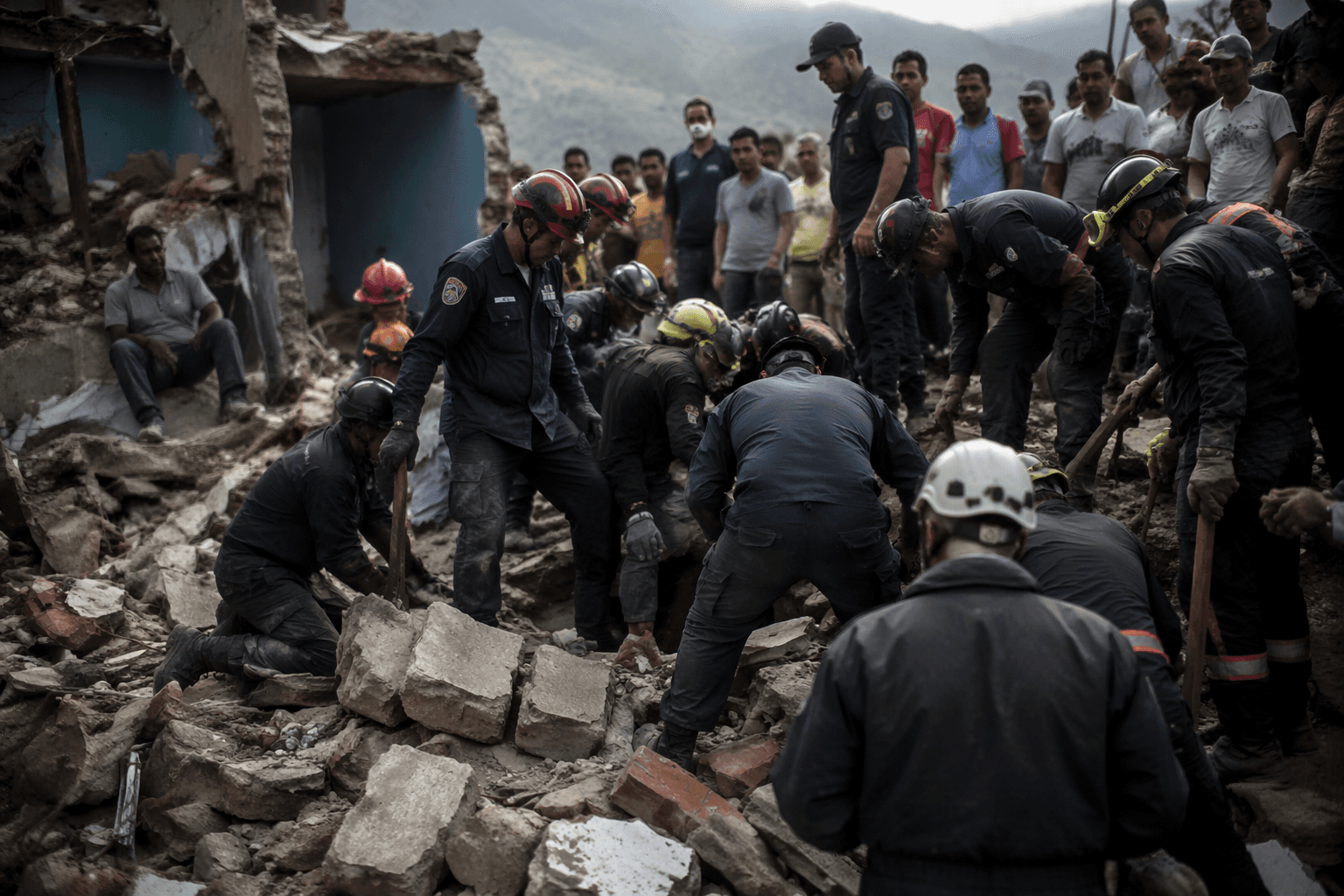
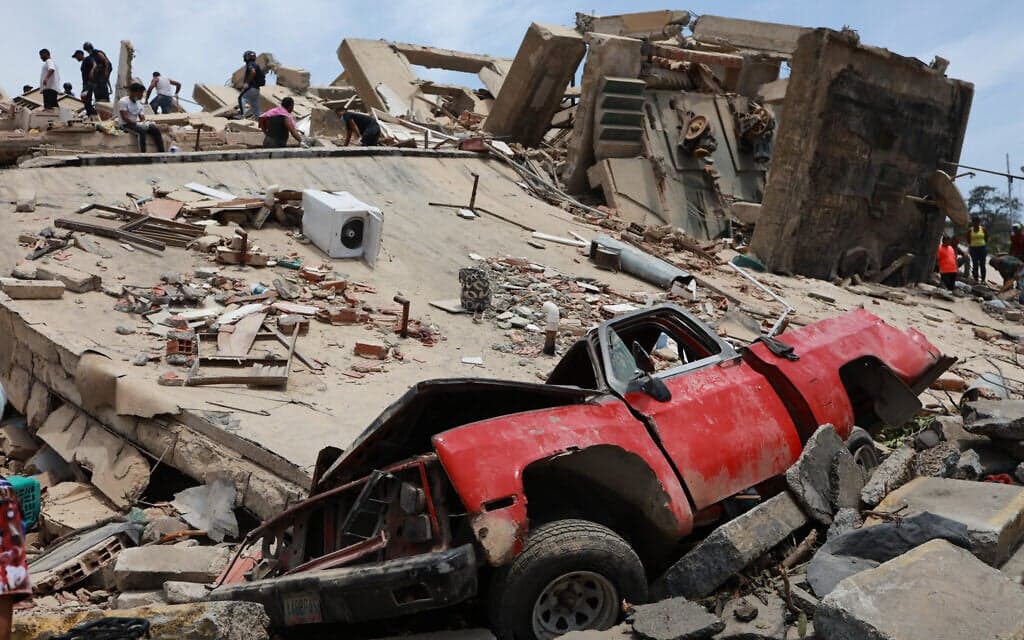
Bodies stayed under rubble as Venezuela’s armed forces drew complaints for prioritizing traffic control after twin quakes killed 235 and injured more than 4,300.
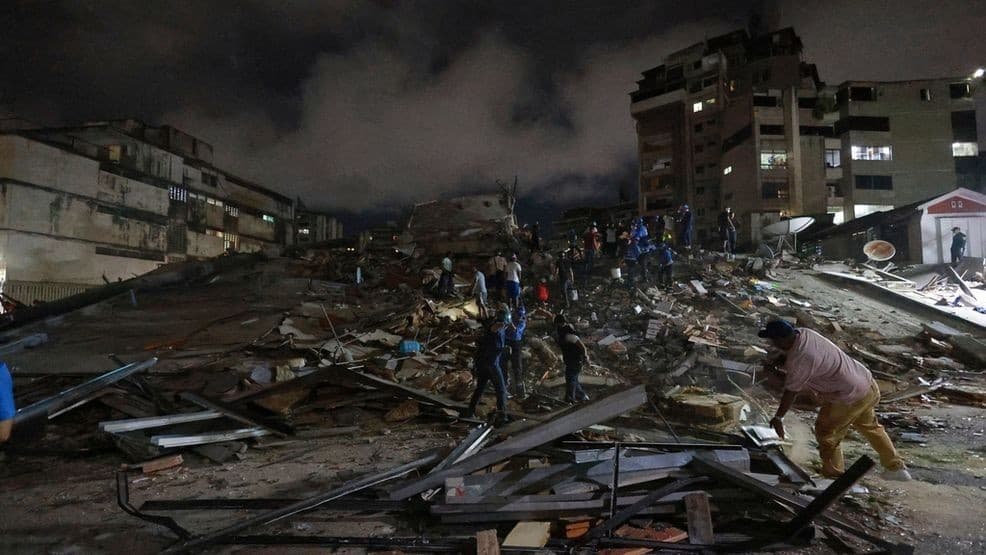
Venezuela’s armed forces came under scrutiny as they were seen controlling traffic while rescue crews still worked to reach people buried under rubble after twin earthquakes shook the country’s north. The quakes, measured at magnitudes 7.2 and 7.5 and striking within less than a minute of each other on Wednesday night, June 24, hit Caracas and the states of Miranda, Carabobo, Yaracuy and La Guaira hard.
By June 26, Health Minister Carlos Alvarado said at least 235 people had died and more than 4,300 had been injured, a steep rise from earlier counts that put the toll at at least 164 dead and 971 injured. The rapid change in the numbers reflected the scale of the destruction and the difficulty of reaching damaged neighborhoods and collapsed buildings.
UNHCR said the government’s response remained focused on search-and-rescue operations, emergency medical care and damage assessment. The United Nations said 25 international teams, totaling about 1,000 personnel, had been mobilized, and aid officials said rescue for people trapped under debris stayed the top priority.
That focus did little to quiet questions on the ground about why Venezuela’s own military was not more visibly leading the rescue effort. Residents and local officials continued to point to the gap between the presence of troops on streets and the pace of recovery for those still trapped, a contrast that has sharpened debate over emergency preparedness and the balance between civilian authorities and the armed forces.
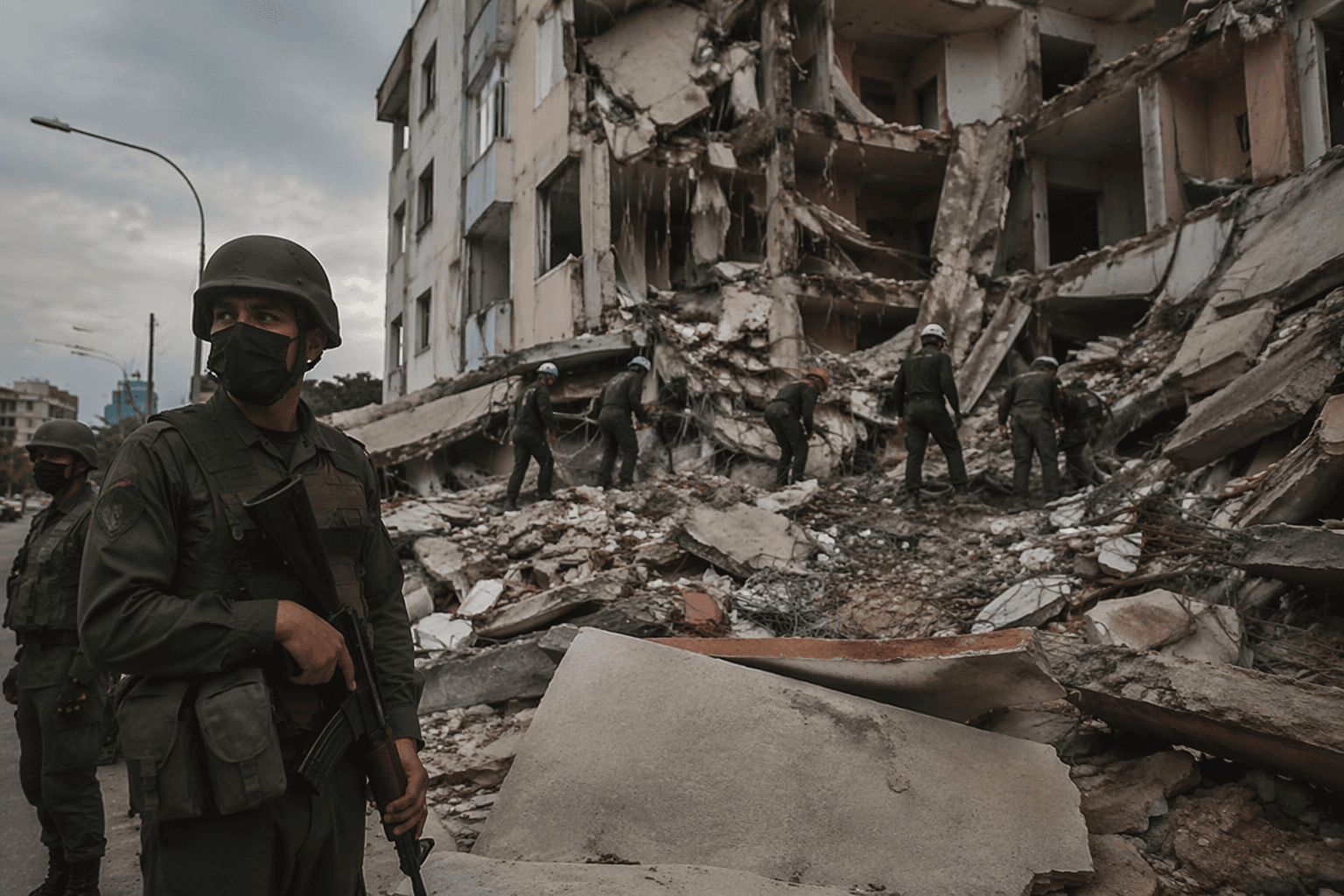
The hardest-hit areas included Caracas, where damage was reported in neighborhoods such as Los Palos Grandes and Chacao, along with Miranda, Carabobo, Yaracuy and La Guaira. OCHA said nearly 8 million people in Venezuela were already in need of humanitarian support before the earthquakes, underscoring how little margin the state had when the disaster hit.
Foreign help moved in quickly as the death toll climbed. The State Department said it was deploying a regional Disaster Assistance Response Team and urban search-and-rescue teams under Secretary Marco Rubio, while U.S. Southern Command said the U.S. military was helping plan the humanitarian relief mission. President Donald Trump also pledged rapid U.S. aid, as relief teams and cash assistance began flowing in from abroad and the struggle to reach survivors continued.
This article was produced by Prism’s automated news system from verified source data, official records, and press releases, then run through automated quality and moderation checks before publishing. The system is built and supervised by the people who set the standards it runs under. Read our full AI policy.
Know something we missed? Have a correction or additional information?
Submit a Tip