Venezuelan E.R. doctor detained in McAllen, days after colleague held
Dr. Rubeliz “Bibi” Bolivar was detained at McAllen’s airport while flying with her 5-year-old U.S. citizen daughter. It came five days after Dr. Ezequiel Véliz was held at a checkpoint.
Federal immigration enforcement actions in South Texas have detained two Venezuelan physicians who were providing care in the Rio Grande Valley, a region that local health systems have long struggled to staff. The second detention involved an emergency room doctor taken into custody at a commercial airport; the first involved a family physician stopped at an interior checkpoint, raising fresh concerns about how enforcement decisions can abruptly pull clinicians from underserved communities.
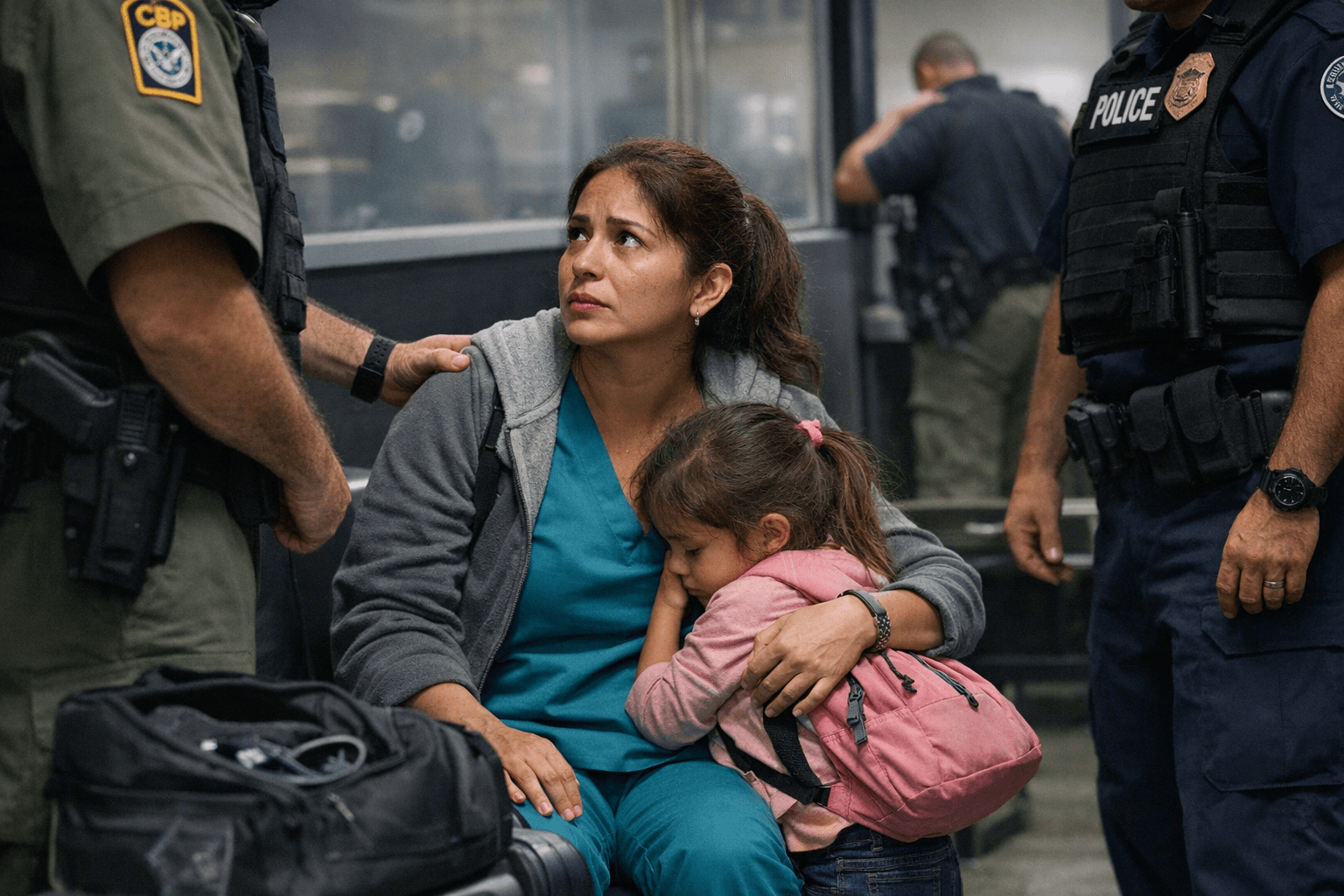
Dr. Rubeliz “Bibi” Bolivar, a Venezuelan E.R. doctor working in the Rio Grande Valley, was detained Saturday, April 11, after checking into a flight in McAllen, Texas. Bolivar was traveling with her 5-year-old daughter, a U.S. citizen, to California to join her husband for a scheduled asylum interview the following week. Bolivar’s husband said she has a valid work permit and that the family has lived in the United States for about a decade.
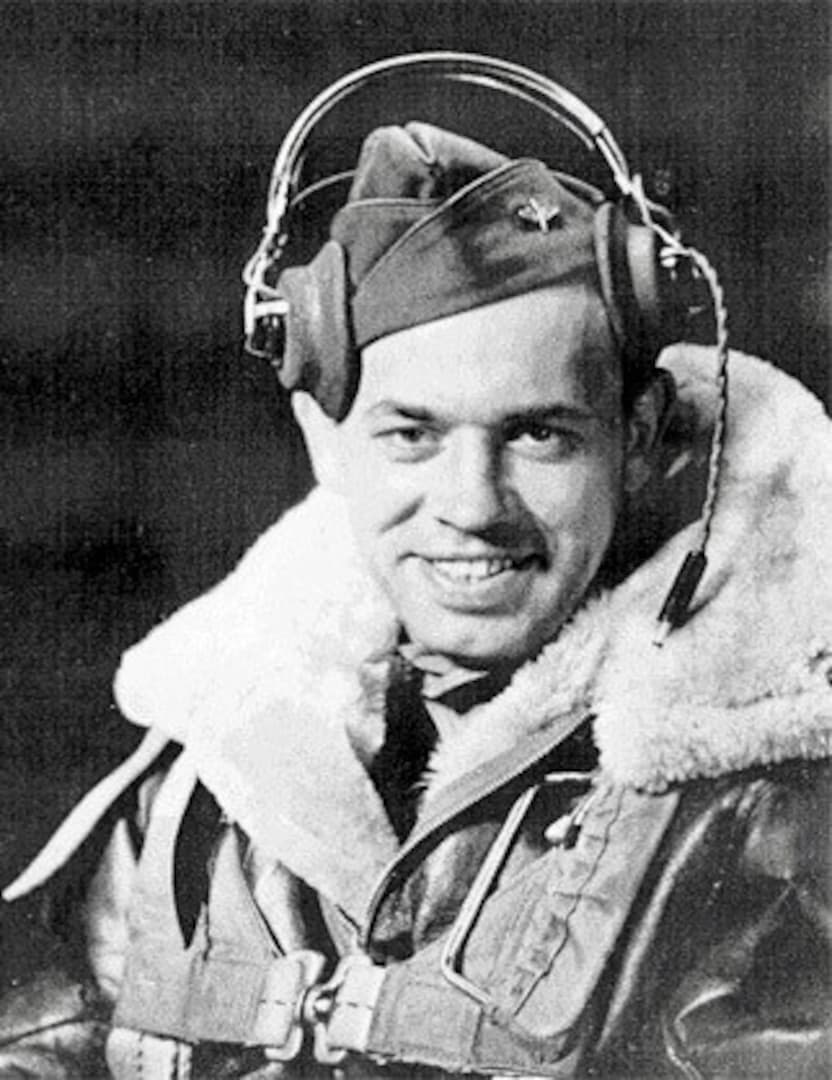
The detention came days after Dr. Ezequiel Véliz, a Venezuelan-born family medicine doctor who had been working in the Rio Grande Valley, was detained Sunday, April 6, at the U.S. Border Patrol checkpoint in Sarita, Texas. Véliz was traveling from McAllen toward Houston with his husband, Joseph Williams, when Border Patrol agents took him into custody.
In Véliz’s case, officials and attorneys involved in the matter said Border Patrol agents told them they could not verify his legal status, or the status of a pending application, during the checkpoint stop. Agents took Véliz to McAllen for processing, and he was expected to appear before an immigration judge at a later date. After his detention, Véliz’s attorneys, family members, and some lawmakers pressed publicly for information about his whereabouts and for his release, arguing he had been pursuing lawful pathways to remain and work.
Bolivar’s detention has also triggered a public advocacy push, including a fundraiser describing her as an emergency medicine resident with asylum pending and asserting she is authorized to work. Those claims reflect advocacy statements, not official records, but they underscore how quickly a staffing gap can open when a clinician is detained while actively employed.
The cases land amid broader disruptions in immigration processing that have affected foreign-born doctors nationwide. National reporting has described a slowdown or pause affecting nationals from 39 countries that has complicated work authorization and visa renewals, creating sudden off-ramps from patient care when paperwork, verification, or adjudication stalls.
For hospitals and clinics in South Texas, the institutional collision is immediate: enforcement actions by U.S. Customs and Border Protection and U.S. Border Patrol can remove practicing physicians from schedules with little warning, while the underlying immigration cases run on a separate track through the Department of Homeland Security and, when initiated, immigration court. In a region already strained for medical coverage, each detention reverberates beyond the individual case, narrowing access where the margin is already thin.
This article was produced by Prism’s automated news system from verified source data, official records, and press releases, then run through automated quality and moderation checks before publishing. The system is built and supervised by the people who set the standards it runs under. Read our full AI policy.
Did this article answer your question?