Venezuelans dig through quake rubble as anger grows over slow response
Neighbors with shovels and bare hands kept digging in La Guaira as anger rose over a slow state response and accusations of military looting.

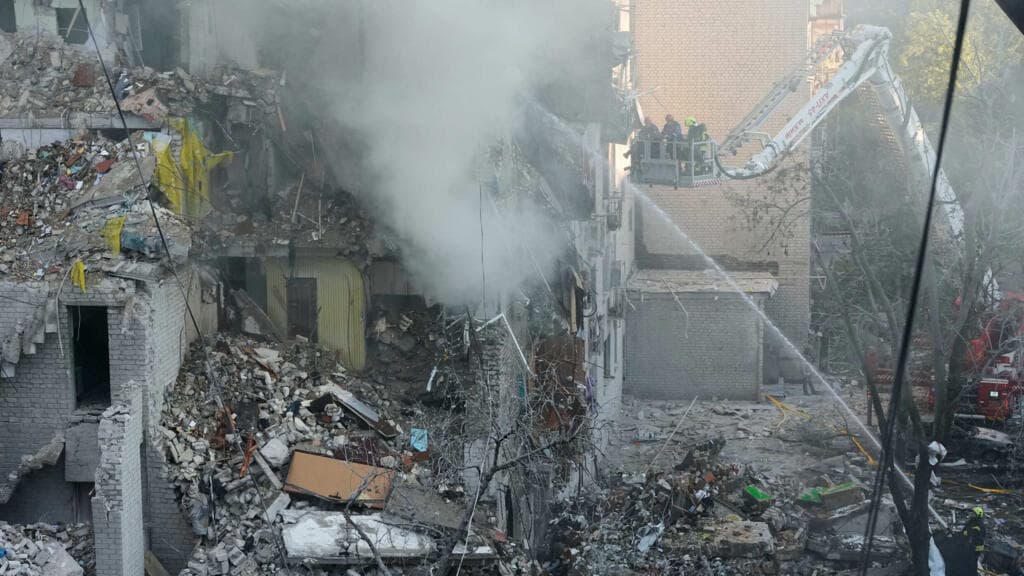
Neighbors with shovels, ropes and bare hands kept tunneling into the rubble of a collapsed public housing block in Caraballeda, La Guaira state, while anger mounted over a slow and inadequate official response. Alexander Delgado, a physical education teacher from Aragua, had no formal rescue training when he arrived a day after the tremors and began leading a rotating crew of volunteers through the debris.
By July 1, Delgado’s group had spent five days shifting concrete under the hot Caribbean sun. By six days after the quakes, two international rescue teams, several local firefighters and one truck from Venezuela’s forensic service were present, but heavy equipment was still lacking. That gap has left ordinary residents to do much of the dangerous work themselves as they search for survivors and bodies in damaged buildings along the coast.
The anger has been sharpened by accusations that some members of the military and police blocked aid, co-opted donations and even looted from collapsed buildings. The back-to-back earthquakes struck June 24, with the first shock measured at about magnitude 7.2 and the larger main event following roughly 39 seconds later at about magnitude 7.5.
The United Nations put nearly seven million Venezuelans at risk, with at least 235 people dead, at least 250 buildings damaged or destroyed and critical systems including electricity, water, telecommunications, transport, hospitals and Maiquetía International Airport severely disrupted. The UN deployed 30 search-and-rescue teams from different countries with more than 1,600 personnel and more than 100 dogs, while the UN Central Emergency Response Fund allocated $15 million for urgent assistance.

A separate engineering assessment based on publicly available data put the toll far higher, with 1,430 fatalities, 3,238 injuries and 68,900 missing people as of June 27. It estimated economic losses of between $10 billion and $100 billion and linked the earthquakes to shallow strike-slip faulting near the Caribbean and South American plate boundary along the Boconó and San Sebastián faults. The U.S. Geological Survey assigned both quakes red PAGER alerts, signaling that high loss of life and extensive damage were probable.
This article was produced by Prism’s automated news system from verified source data, official records, and press releases, then run through automated quality and moderation checks before publishing. The system is built and supervised by the people who set the standards it runs under. Read our full AI policy.
Did this article answer your question?