Venice Biennale jury resigns after Russia, Israel award dispute
The Venice Biennale’s five-member jury quit after refusing to award artists from Russia or Israel, deepening a fight over prestige, war and legitimacy.

The Venice Biennale lost its entire international jury on Thursday, just days before its 61st edition opens in Venice, as a dispute over Russia and Israel pushed one of contemporary art’s most visible prize panels to step down. La Biennale di Venezia said it had received the resignations of Solange Farkas, Zoe Butt, Elvira Dyangani Ose, Marta Kuzza and Giovanna Zapperi, a move that leaves the exhibition scrambling to preserve confidence in its awards process.
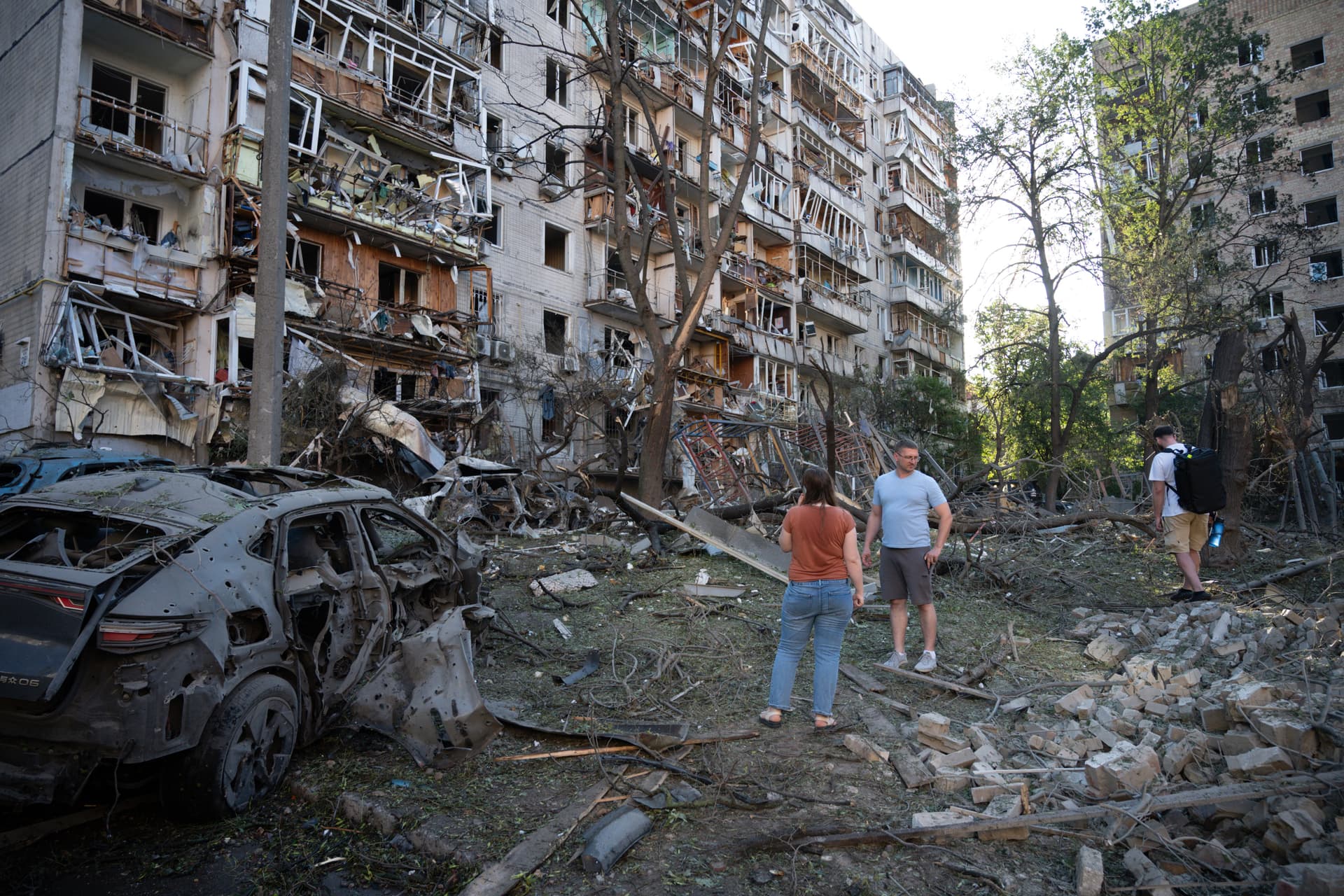
The rupture began after the jury said it would not consider artists from Russia or Israel for prizes. In its earlier statement, issued on April 22 and 23, the panel said it was acting in defense of human rights and would not weigh countries whose leaders are accused by the International Criminal Court of crimes against humanity. The dispute tied the Venice Biennale directly to the wars in Ukraine and Gaza, and to the ICC arrest warrants for Russian President Vladimir Putin and Israeli Prime Minister Benjamin Netanyahu.
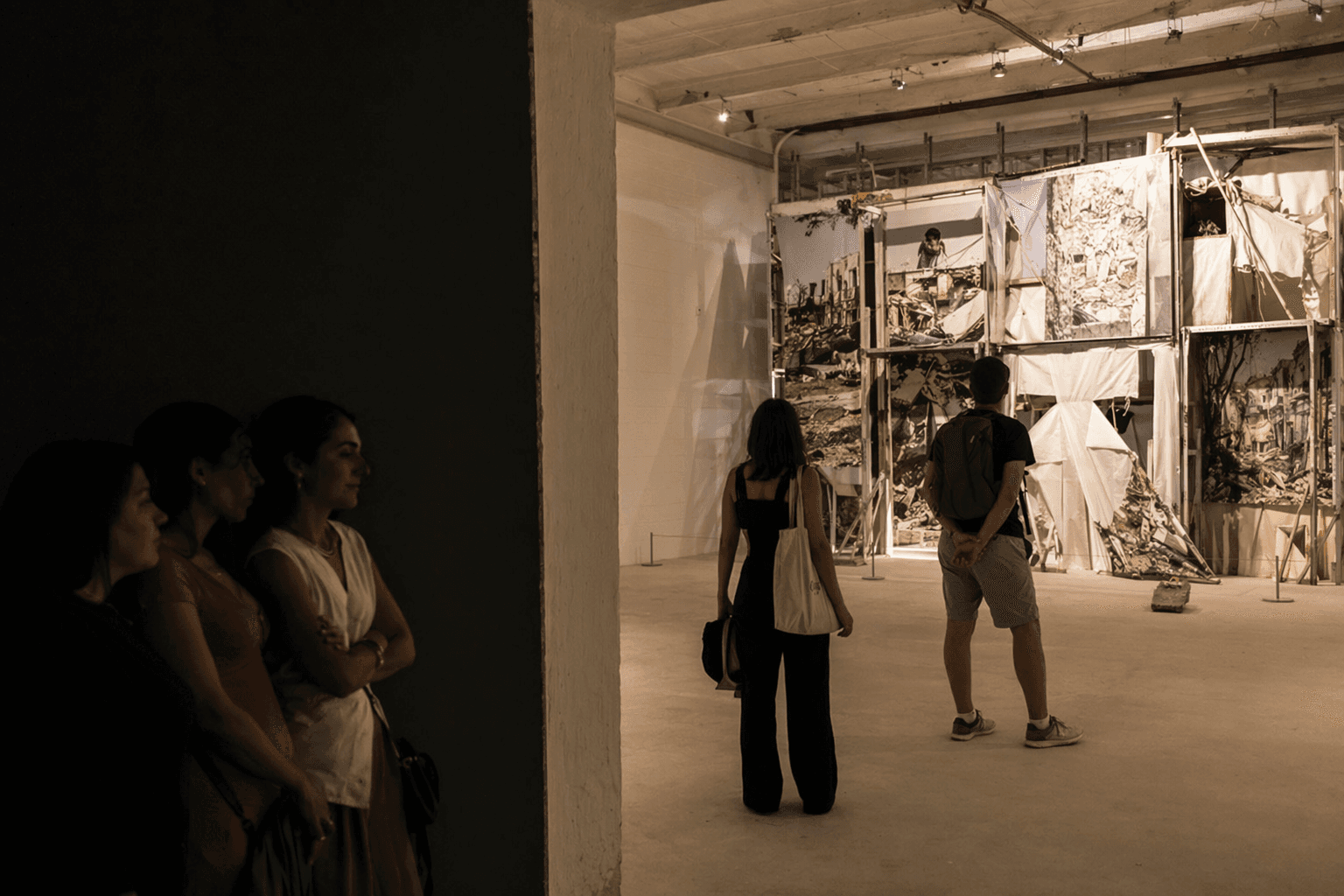
The resignations land at a sensitive moment for the exhibition, titled In Minor Keys and curated by the late Koyo Kouoh. The main exhibition is scheduled to run from May 9 to November 22, 2026, with a pre-opening set for May 6 through 8 and the awards ceremony and inauguration on May 9. La Biennale said the 2026 edition will include 100 national participations and 31 collateral events, underscoring how much is now riding on a process meant to confer prestige and shape the global art calendar.
That scale also explains why the jury crisis has become more than a dispute over one prize decision. A fight over who can be honored has exposed how closely cultural authority now tracks geopolitical legitimacy, especially when national pavilions are involved. Russia’s participation has already drawn objections in Italy, while European officials have also pressed concerns over funding tied to sanctions, adding pressure on organizers trying to keep the exhibition above politics even as the politics have already entered the room.
For an institution that sells itself as a global arbiter of artistic value, the loss of an entire jury is a severe public blow. The Biennale now faces the opening with its prestige intact on paper, but its awards process weakened by a conflict that has turned the art world’s highest stage into another arena where war, accountability and cultural power collide.
This article was produced by Prism’s automated news system from verified source data, official records, and press releases, then run through automated quality and moderation checks before publishing. The system is built and supervised by the people who set the standards it runs under. Read our full AI policy.
Did this article answer your question?