Venture capitalist Neil Rimer warns AI wealth must be redistributed
Neil Rimer says AI fortunes will have to be redistributed as startup pay and ownership gaps decide who captures the windfall.
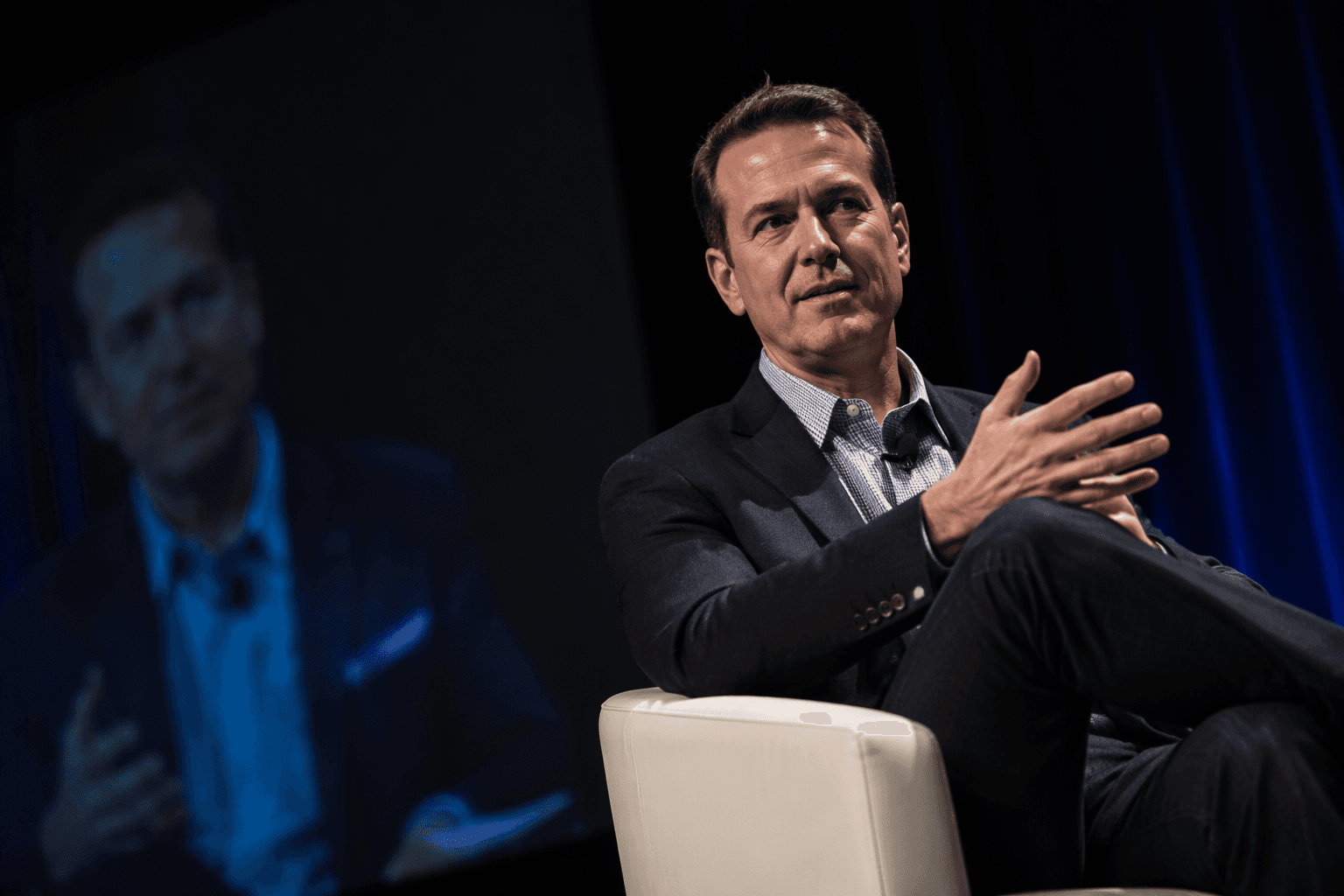
Neil Rimer, who co-founded Index Ventures in Geneva in 1996, is arguing that the wealth created by AI in Silicon Valley will have to be redistributed, voluntarily or involuntarily. The warning lands as a reality check on a boom that has concentrated gains in a small set of founders, funds and highly valued companies.
Rimer helped build Index around a simple premise: support ambitious entrepreneurs and bring Silicon Valley-style investing to Europe. In a Financial Times interview, he recalled how early meetings at the firm opened with a slide that asked, “What is VC?” That line captures how new the playbook once was outside the United States, and how quickly it has since scaled into one of the most powerful capital machines in tech.

The compensation gap remains central to the redistribution debate. In a CEPS interview posted in December 2017, Rimer discussed a study of about 200 companies in the United States and Europe that compared how startups reward talent. That matters because the upside from fast-growing firms does not flow evenly through payrolls. European startup workers have historically held smaller ownership stakes than their US counterparts, while salaries in the US have also tended to run higher, meaning more of the wealth created in the sector ends up with founders, investors and early employees rather than the broader workforce.
The AI cycle is sharpening that imbalance. The most valuable firms are attracting enormous capital, while the market increasingly debates who will own the returns when models, chips and cloud infrastructure are already dominated by a narrow group of companies. Rimer’s view sits alongside a broader policy discussion that has brought in other names, including Ray Dalio, who has also floated redistribution ideas as AI changes the economy. Commentary in Noema and TIME has framed the same question differently, but the underlying issue is the same: if AI raises productivity without spreading ownership, the gains stay concentrated.
Rimer’s public profile also includes Human Rights Watch, adding a philanthropic strand to a career built around venture returns. That background gives extra weight to his warning that the AI windfall will not remain boxed inside Silicon Valley. The real test now is whether redistribution comes through higher taxes, wider employee ownership and stock options, or through a backlash against the market concentration that AI is already accelerating.
This article was produced by Prism’s automated news system from verified source data, official records, and press releases, then run through automated quality and moderation checks before publishing. The system is built and supervised by the people who set the standards it runs under. Read our full AI policy.
Did this article answer your question?