Verstappen calls F1 rule changes a mere tickle for drivers' concerns
Verstappen said F1’s latest fixes were only “a tickle” after drivers complained about battery-heavy racing. The sport answered with narrower energy rules, not a full rewrite.
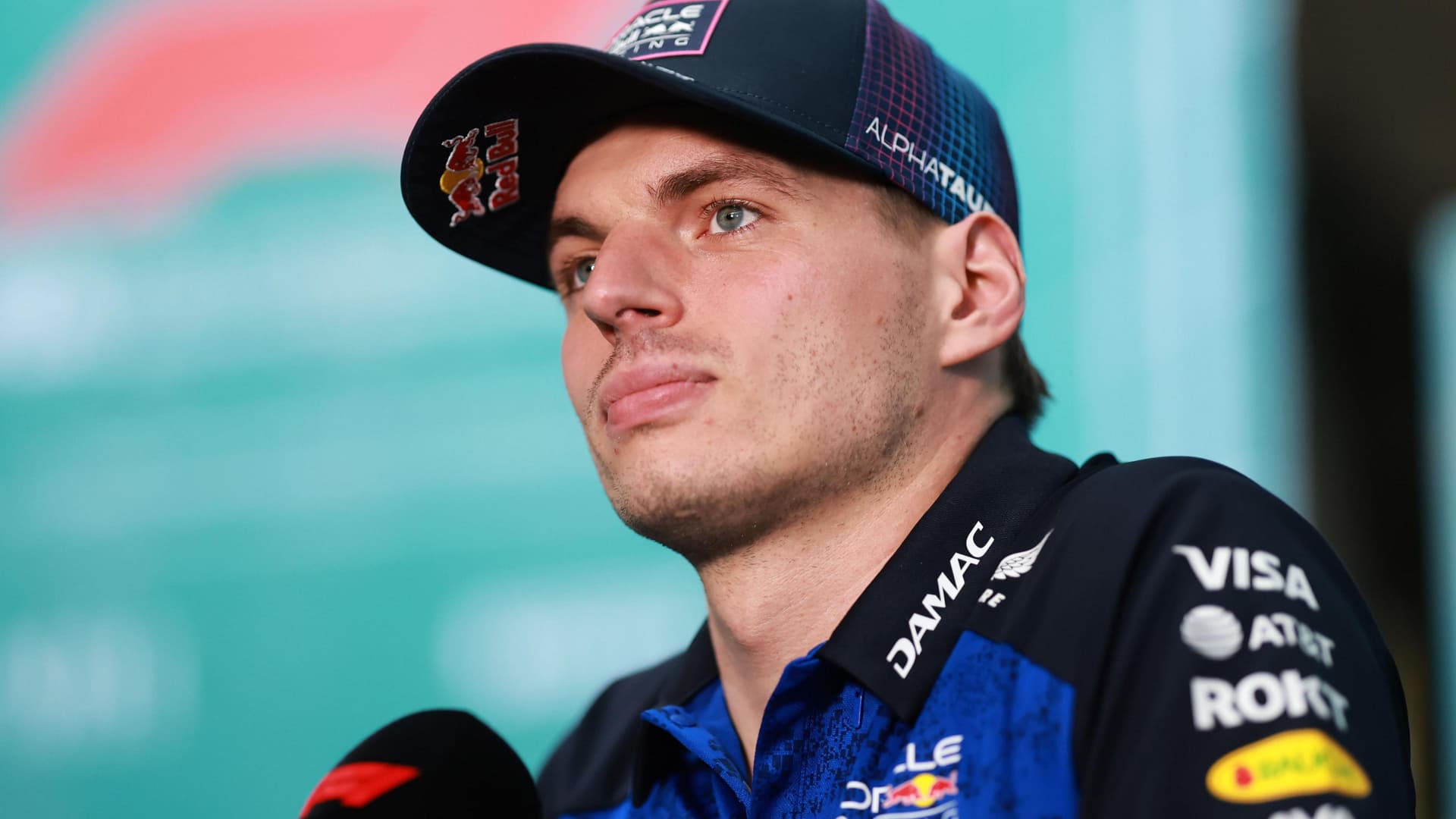
Max Verstappen said Formula 1’s latest rule changes were only “a tickle,” a pointed sign that the sport had answered months of driver complaints with adjustments that may soften the sharpest edges but do not fundamentally change the 2026 racing formula. The revisions were shaped by consultations with drivers, technical chiefs, team principals, power unit manufacturers and Formula 1 management after the opening three races in Australia, China and Japan.
The complaints were concrete. Drivers wanted less energy management, fewer moments where they had to lift and coast or back off on full throttle to recharge batteries, fewer sudden closing speeds that could create accidents, less chance of a start-line collision and a better qualifying spectacle. Verstappen’s criticism had been especially blunt, calling the new style of racing too dependent on energy deployment and not close enough to flat-out competition.
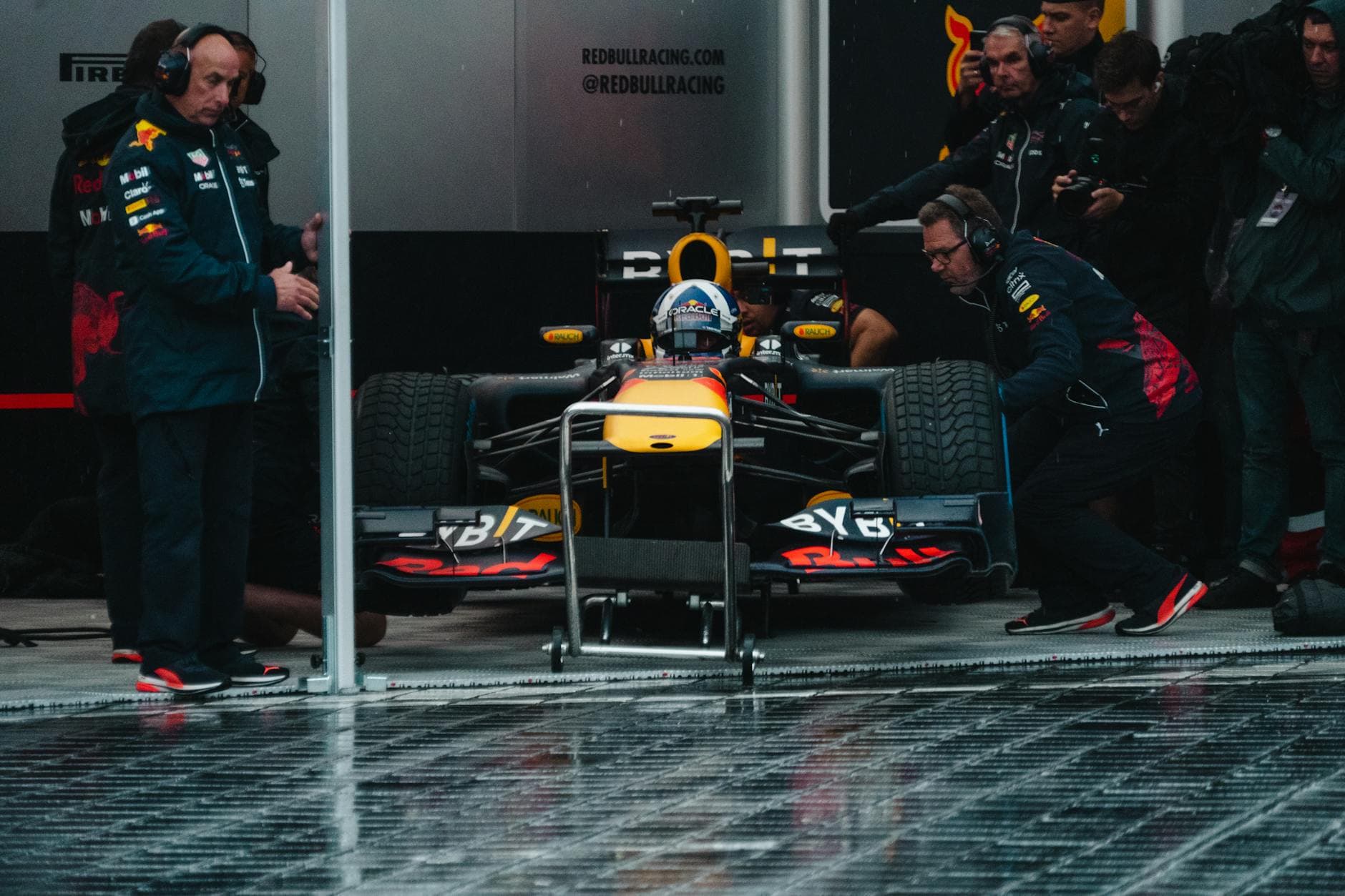
Officials did respond, but narrowly. In qualifying, the maximum permitted recharge was cut from 8 megajoules to 7, while peak superclip power rose from 250 kilowatts to 350 kilowatts to reduce the time spent recharging and encourage more consistent flat-out driving. The FIA also widened the number of races where lower energy limits can apply from eight to 12, a sign that circuit-by-circuit flexibility is now built into the rules.
In races, the sport capped Boost power at plus 150 kilowatts and kept MGU-K deployment at 350 kilowatts only in key acceleration zones, including overtaking sections, while limiting it to 250 kilowatts elsewhere on the lap. That preserves passing aid where Formula 1 says it matters most, but also trims the most extreme performance swings. The FIA also added a low power start detection system that can automatically deploy MGU-K if a car launches abnormally slowly, along with flashing warning lights, and it reset the energy counter at the start of the formation lap to fix a known inconsistency.
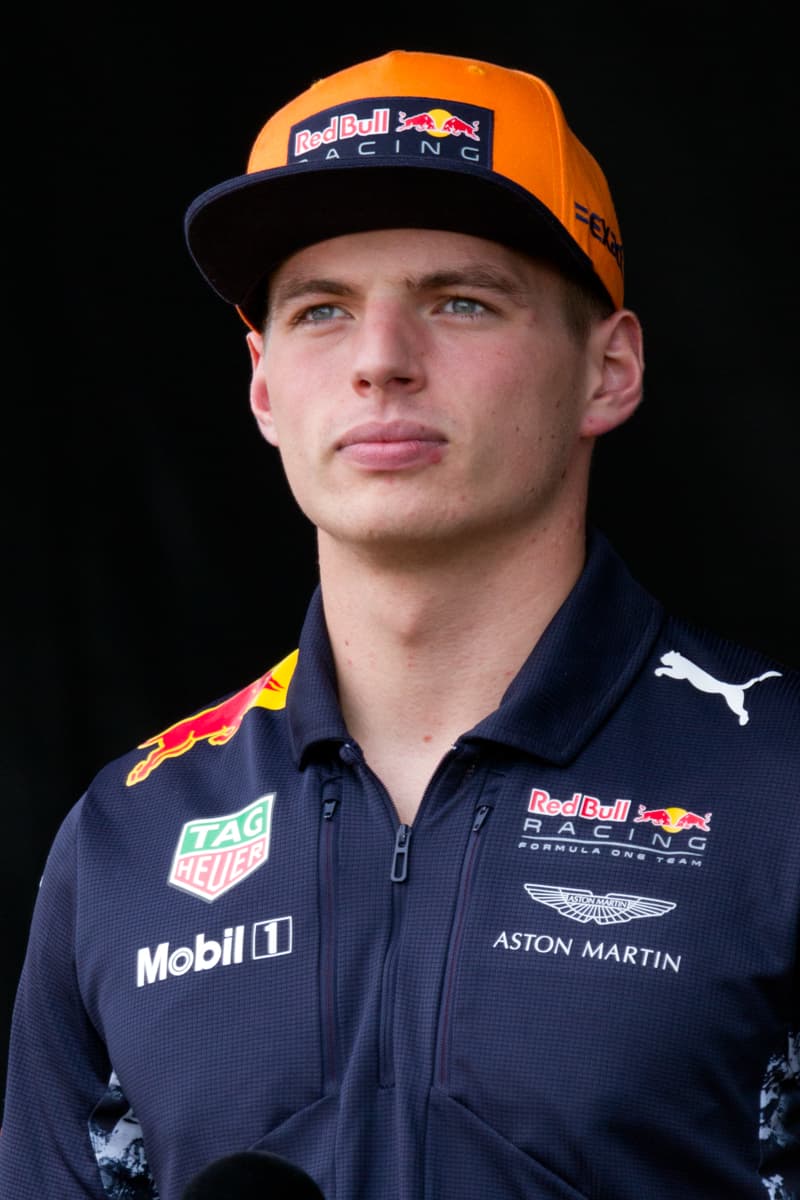
The result looks less like a reset than a pressure release valve. Formula 1 still has the same 2026 architecture, the same hybrid-era energy logic and the same dependence on managed deployment, but with tighter safeguards and a little more room for drivers to attack. The changes may improve safety and blunt the worst optics, yet Verstappen’s verdict suggested the sport is still managing the problem more than solving it. The real test will come in Miami, where the race-start changes were set to be tried before being adopted more broadly.
This article was produced by Prism’s automated news system from verified source data, official records, and press releases, then run through automated quality and moderation checks before publishing. The system is built and supervised by the people who set the standards it runs under. Read our full AI policy.
Did this article answer your question?


