Verstappen Hints at F1 Exit, Calls New Regulations Anti-Racing After Japan
Verstappen questioned whether F1 is "worth it" after finishing eighth at the Japanese Grand Prix, warning new regulations "will ruin the sport."
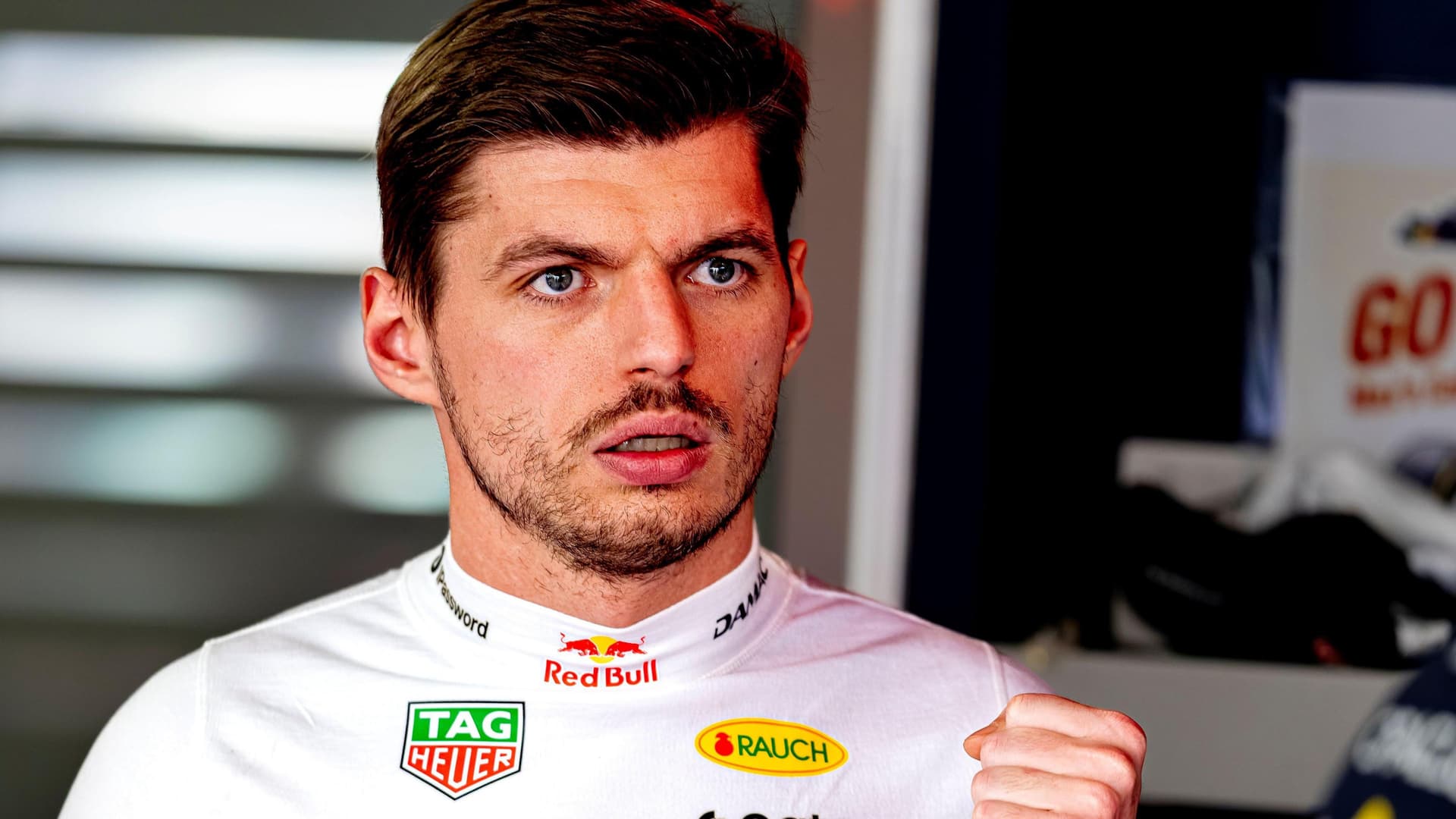
Max Verstappen finished eighth at the Japanese Grand Prix and then delivered his most pointed attack yet on Formula 1's new regulations, publicly asking whether continuing in the sport is "worth it" and raising the prospect of retirement after the Abu Dhabi finale in December.
The Red Bull Racing driver, who endured a disappointing start to the 2026 campaign across the first three Grands Prix, left little ambiguity about his frustration when asked directly whether his complaints about the rules meant he was planning to walk away.
"I'm thinking about everything inside this paddock. Privately I'm very happy. You also wait for 24 races. This time it's 22. But normally 24. And then you just think about, 'Is it worth it? Or do I enjoy being more at home with my family?' Seeing my friends more when you're not enjoying your sport?" Verstappen said.
The 28-year-old did not stop there. "But at the same time when you are in P7 or P8 and you are not enjoying the whole formula behind it, it doesn't feel natural to a racing driver. Of course I try to adapt to it, but it's not nice the way you have to race. It's really anti-driving. Then at one point, yeah, it's just not what I want to do."
The comments represent the most serious retirement signal Verstappen has sent since the new regulations took hold this season. Speculation now centers on whether the four-time world champion could end his career at the Abu Dhabi race in December if the sport fails to address his concerns.
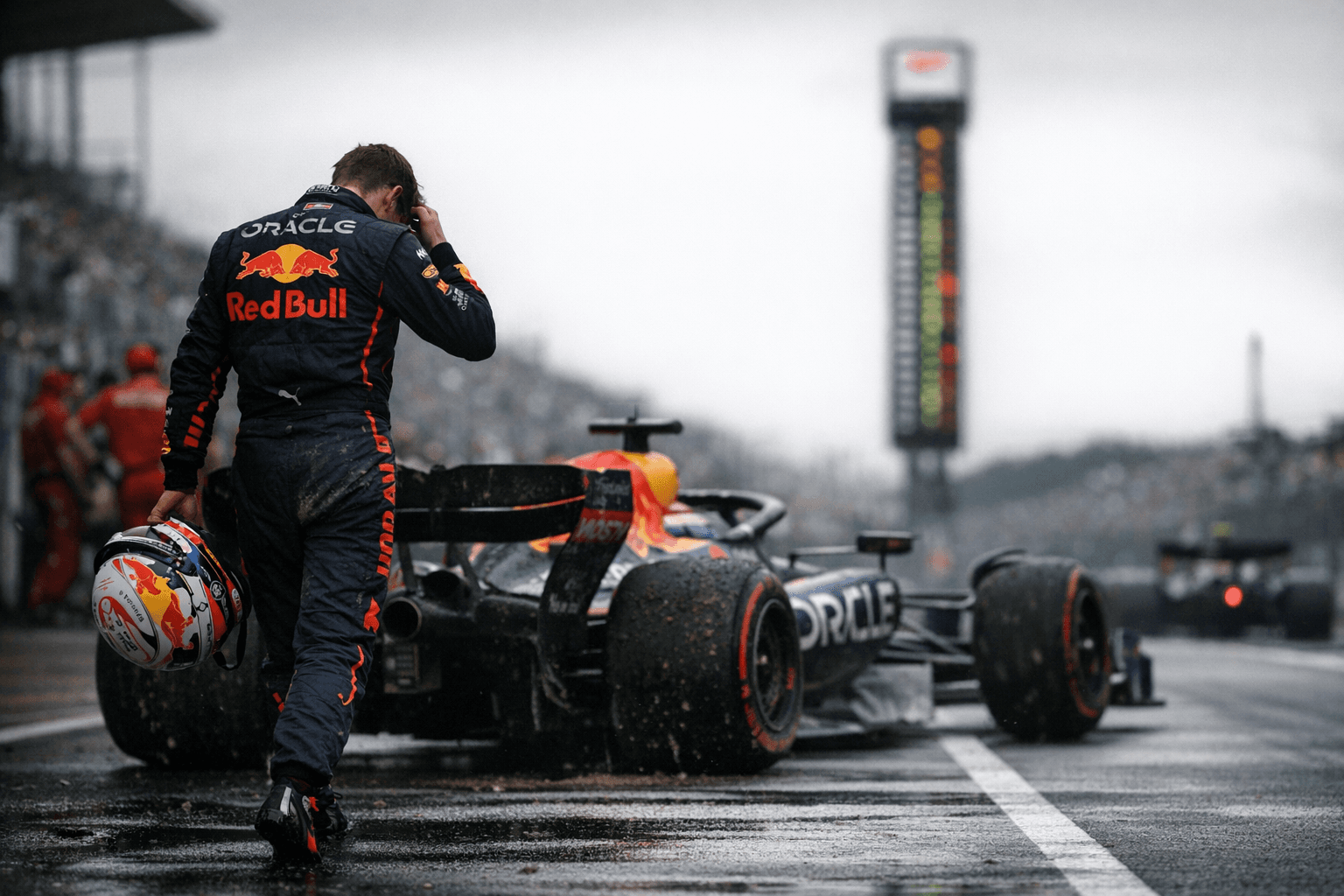
At the heart of Verstappen's frustration are sweeping technical changes introduced for 2026. New aerodynamic rules designed to reduce drag have left drivers with limited downforce, making cars significantly harder to race in close quarters. Stricter sustainability-focused fuel and power limits have pushed the emphasis away from raw performance, while greater reliance on electrical power within the hybrid system has turned energy management into a primary strategic concern, forcing drivers to conserve battery charge rather than push flat-out.
The combined effect, in Verstappen's telling, is racing that bears little resemblance to what drew him to the sport. He warned that the regulations "will come back to bite them in the ass" and "will ruin the sport" unless swift changes are made.
Verstappen is not alone. Several drivers across the grid have echoed similar concerns, arguing the rule changes have made racing feel less natural and ultimately less exciting. None have yet matched the bluntness of his public warning.
Whether those comments carry a genuine retirement threat or represent calculated pressure on F1 to revisit the regulations remains an open question. What is unambiguous is that the sport's most dominant driver of recent years is heading into a shortened 22-race season, down from the usual 24, deeply dissatisfied with the direction the sport has taken.
Know something we missed? Have a correction or additional information?
Submit a Tip