Vet Explains Why Flat-Faced and Small Dog Breeds Need Less Exercise
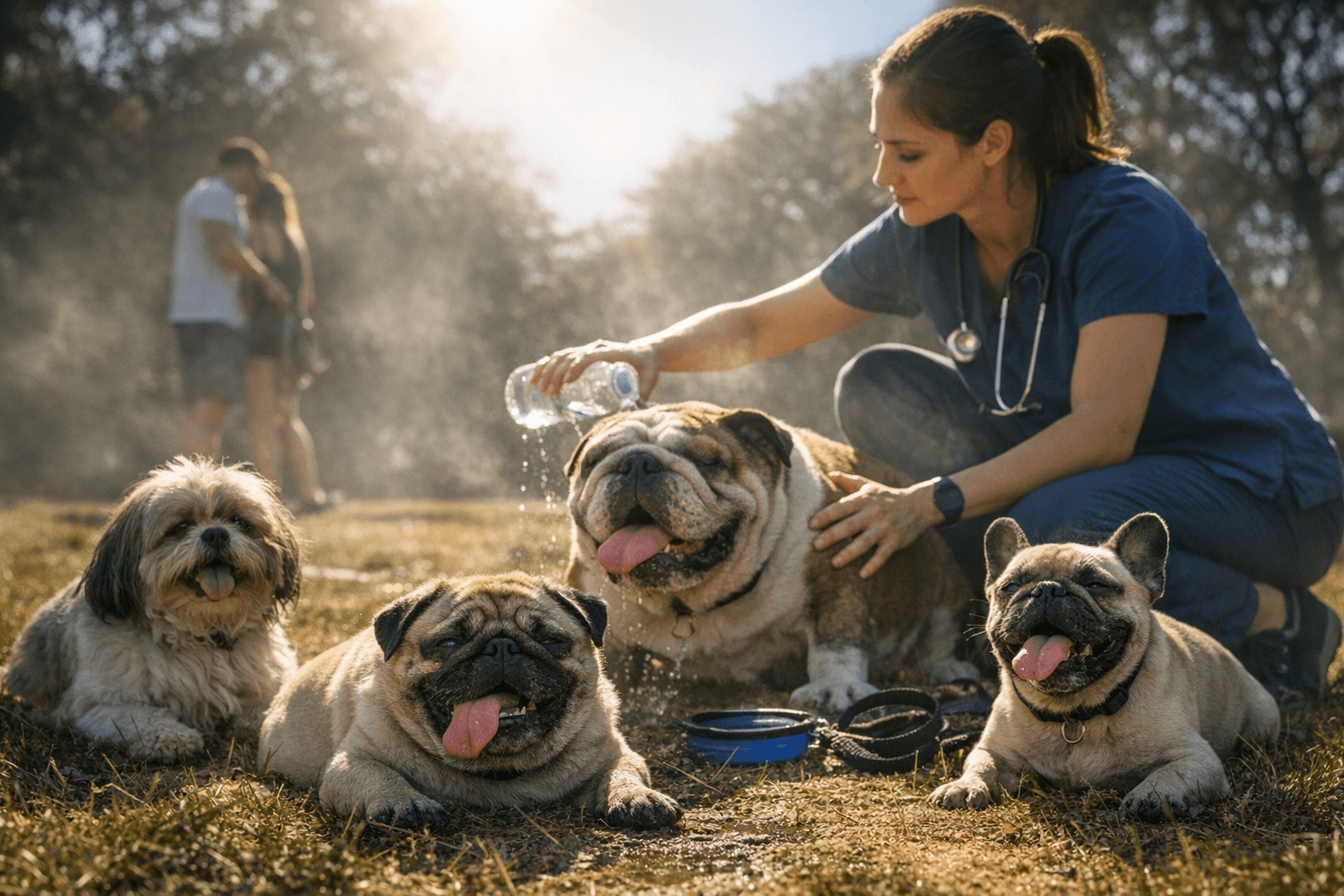
Smalldoorvet warns flat-faced breeds like pugs, bulldogs and Shih Tzus have lower exercise tolerance - “Even 10 minutes in the sun on a hot summer’s day can be more than they can handle.”
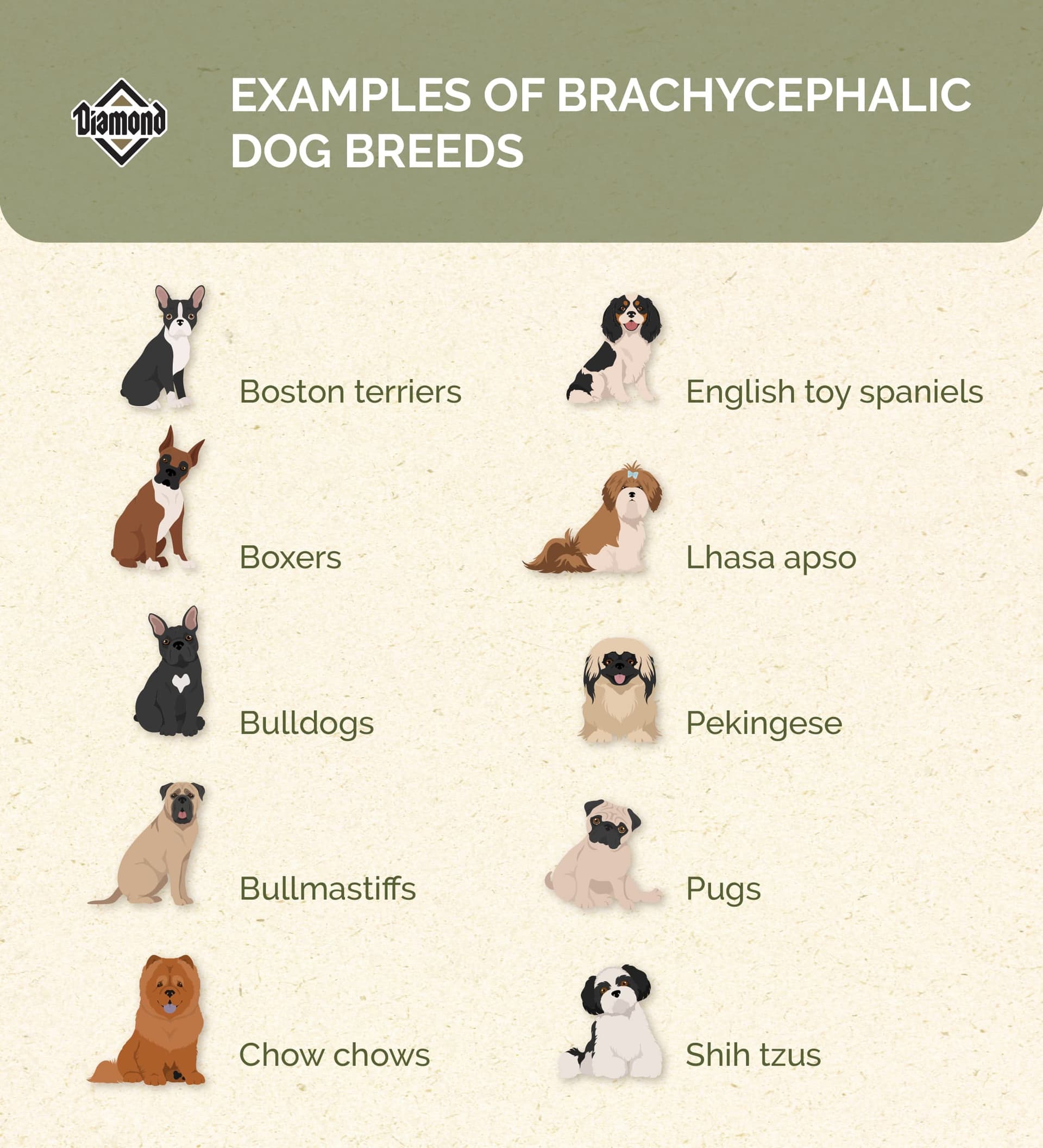
Smalldoorvet’s veterinary guide delivers a blunt safety note for flat-faced dogs: “Flat-faced breeds: Pugs, bulldogs, and Shih Tzus have a lower exercise tolerance due to their breathing constraints, so naturally, they need less exercise than others.” The site follows with an explicit heat warning: “Even 10 minutes in the sun on a hot summer’s day can be more than they can handle,” a practical anchor for owners weighing walks against respiratory risk.
Empirical data back up breed differences. A PubMed Central analysis found “the online survey data indicated differences amongst breeds in the amount of walking reported (P < 0·001).” That study reported gundog, pastoral and hound groups were exercised more often and for longer, while toy and terrier groups were exercised least frequently. The paper named Afghan hounds as the least exercised breed and listed English setter, foxhound, Irish setter and Old English sheepdog among the breeds exercised most.
Practical guidance varies by source, so owners should match recommendations to the breed named. The Animal Clinic of Mandarin in Jacksonville lists Bulldogs, Basset Hounds, Shih Tzus and Chow Chows as low-energy breeds and recommends “20–40 minutes of light activity per day (short walks, gentle play).” HealthyPawsPetInsurance’s consumer list includes Basset Hound, Bulldog, Shih Tzu, Mastiff, Pug and Newfoundland; its Newfoundland entry emphasizes that Newfies “prefer a leisurely walk to a run” and can be exercised by swimming where safe water is available.
Behavioral misreadings complicate decisions about activity. Dr. Strong, quoted on Rover, cautions: “Dogs who do not experience consistent exercise, outdoor activities, or mental stimulation may appear to have low energy simply because they are bored or not getting enough physical activity.” Rover also warns that under‑exercising can contribute to obesity and notes that owner lifestyle and diet habits heavily influence dog activity and weight.
Age and structural concerns alter safe exercise prescriptions. The Animal Clinic of Mandarin advises puppies need short, frequent play sessions and to avoid high-impact exercise until joints mature, and recommends low-impact options like slow walks or swimming for seniors. Smalldoorvet’s overheating guidance specifically ties back to brachycephalic airway limits, reinforcing that short, gentle sessions beat long runs for Bulldogs, Pugs and similar breeds.
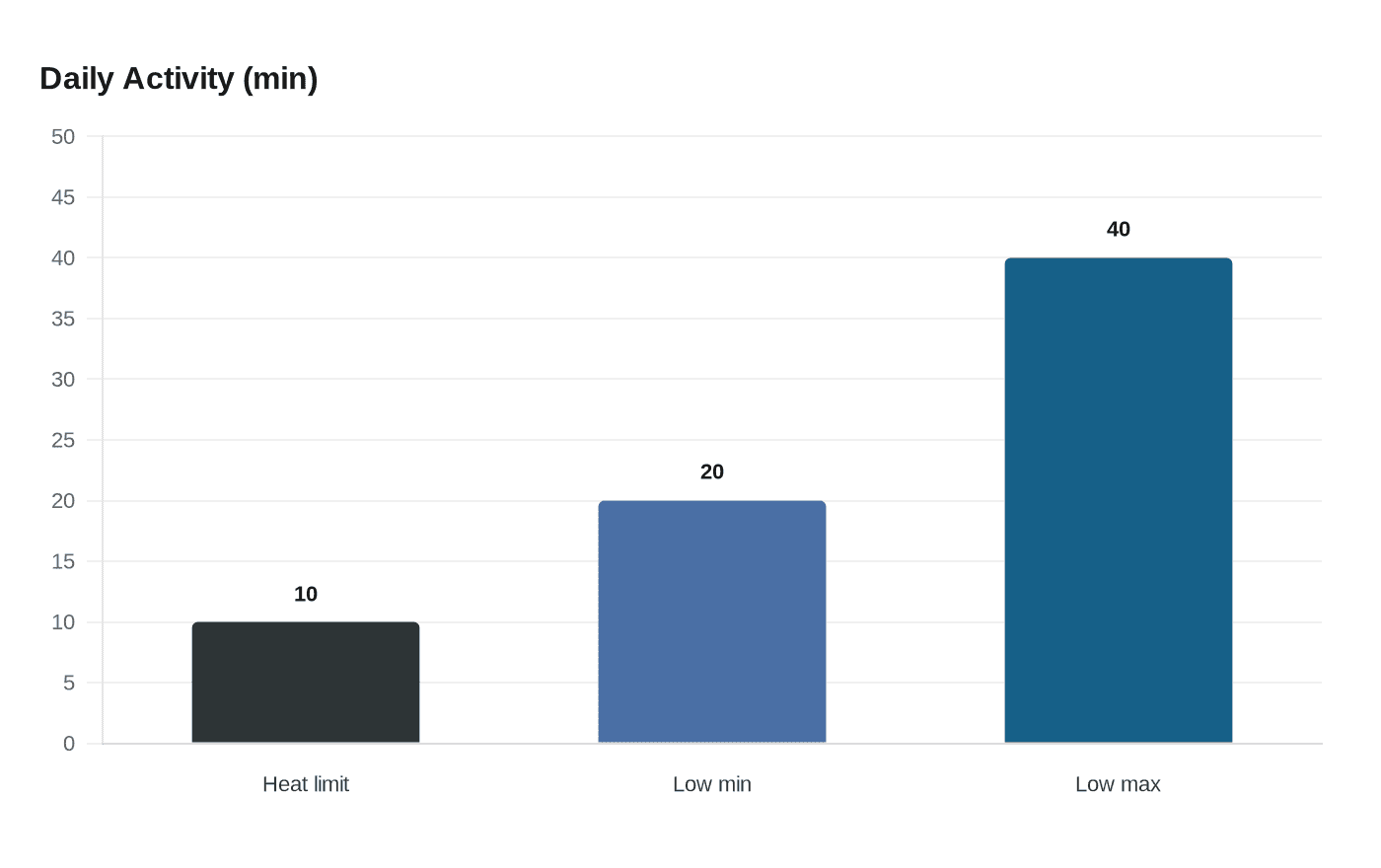
Sources diverge enough that a single checklist won’t fit every household. The PubMed Central authors note that owner choice, geography and anonymized survey data leave some patterns unclear and that exceptions such as Afghan and foxhounds “require further investigation.” For now, follow breed-specific notes: heed Smalldoorvet’s heat caution for brachycephalics, apply the Animal Clinic of Mandarin’s 20–40 minute light-activity baseline for low-energy breeds, and remember Dr. Strong’s behavioral warning when a supposedly “lazy” dog may instead need mental stimulation. For clinic guidance, the Animal Clinic of Mandarin lists contact 904-262-2953. Matching exercise to breed, body type, age and climate keeps dogs healthy without overexertion.
Know something we missed? Have a correction or additional information?
Submit a Tip