Video Recovery and Relief Efforts Underway in Jamaica Reveal Deep Inequities
ABC News has highlighted ongoing video recovery and relief operations in Jamaica after a recent emergency, drawing attention to the immediate humanitarian needs and longer-term public health risks. The coverage underscores why communities and policymakers must prioritize equitable disaster response, resilient health systems, and sustained support for vulnerable populations.
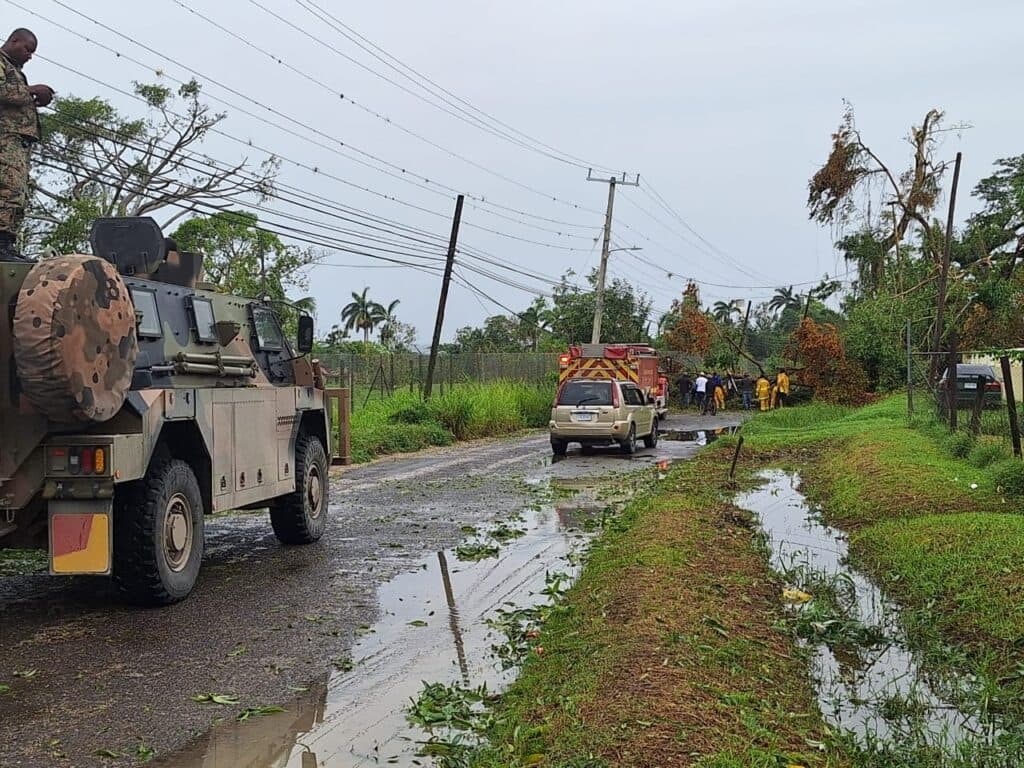
ABC News’ coverage of video recovery and relief operations in Jamaica has put a spotlight on the twin challenges of immediate rescue and longer-term public health recovery. Journalistic crews and aid organizations documenting the aftermath are not only capturing footage of damage and search efforts; that imagery is being used operationally to map needs, direct supplies and assess health risks, work that has revealed stark disparities across affected communities.
Video and drone footage recovered from affected areas have helped responders identify isolated neighborhoods cut off from aid and locate damaged water and sanitation infrastructure that threatens to amplify communicable disease transmission. For public health officials, such visual data is becoming indispensable for prioritizing where to send clean water, medical teams and mobile clinics. At the same time, the footage is raising difficult questions about why certain neighborhoods were more exposed and less protected by preexisting infrastructure and emergency planning.
The relief phase in Jamaica, as seen in the ABC News reporting, highlights how social determinants of health, housing quality, access to health care, transportation and economic resources, shape people’s ability to withstand and recover from disasters. Communities with higher rates of chronic illness, limited access to pharmacies and fewer primary care options face disproportionate risk when routine care is disrupted. Mental health needs, often sidelined in the immediate aftermath, are also coming into focus as residents confront loss, displacement and prolonged uncertainty.
These on-the-ground realities expose policy gaps. Emergency response systems that rely on ad hoc volunteering and short-term international aid are ill-suited to address the cascading health consequences that follow natural hazards. Strengthening Jamaica’s resilience requires sustained investment in public health infrastructure, robust primary-care networks that can maintain continuity of care during crises, and targeted funding to upgrade water and sanitation systems in the most vulnerable communities. Transparent allocation of resources, guided by data such as the recovered video imagery, can help ensure aid reaches those who have historically been marginalized.
Equity must be central to reconstruction planning. Recovery that restores pre-event inequities will only reproduce vulnerability. Community-led initiatives and local health workers know neighborhood conditions intimately; their involvement in planning and distribution is critical to identifying needs that are invisible to remote assessments. International partners and national authorities should prioritize support for locally driven solutions and workforce development so that capacity is built, not supplanted.
ABC News’ visual reporting has also played an important accountability role, showing the public where gaps exist and prompting policy conversations about preparedness and fairness. As relief flows and reconstruction begins, policymakers will face a choice: invest in systems that reduce future harms and expand access to care, or return to business as usual. For residents of Jamaica, the stakes are measured in lives, long-term health, and the resilience of communities that have already borne disproportionate burdens.
This article was produced by Prism’s automated news system from verified source data, official records, and press releases, then run through automated quality and moderation checks before publishing. The system is built and supervised by the people who set the standards it runs under. Read our full AI policy.
Did this article answer your question?

