Video shows Georgia driver allegedly striking cyclists, fleeing scene
A 72-year-old driver allegedly honked for two minutes, hit two cyclists in Cherokee County, and fled. The video that caught the plate also exposed how fragile safe-passing laws can be.
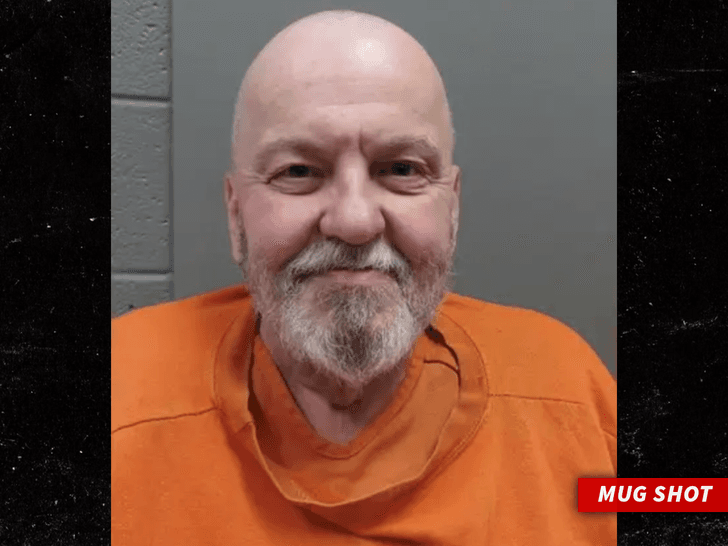
A 32-mile group ride in Cherokee County turned violent when a 72-year-old driver allegedly honked for about two minutes, passed a line of cyclists aggressively and struck two riders before fleeing the scene. Richard Collins was treated for road rash and later diagnosed with a lower-spine fracture, while Scott Hager was also among those hit on Sugar Pike Road.
Authorities identified the driver as Jerry Wayne Ross of Woodstock, Georgia, and said the collision happened on April 23, 2026, as a 10-person North Georgia Cycling Association group was riding through the county. Deputies said Ross blamed the cyclists when questioned, saying they were in the road. He was later arrested at a neighbor’s house nearby after investigators used cellphone video that captured the SUV’s license plate and helped track him down.
Ross was reported to be facing six charges, including aggravated assault, hit-and-run, aggressive driving, reckless driving and failure to maintain a safe distance from a bicycle. Georgia law requires drivers to leave at least three feet when passing cyclists, a rule meant to reduce exactly this kind of conflict between bikes and cars on narrow roads.
The episode has drawn attention well beyond Cherokee County because it shows how quickly a routine ride can become a road-rage case. Collins and fellow rider Joel Eaby said the video showed why many cyclists now use front- and rear-facing cameras. Those devices are increasingly acting as witnesses when drivers do not stop, and in this case the footage helped identify the vehicle and the person behind the wheel.
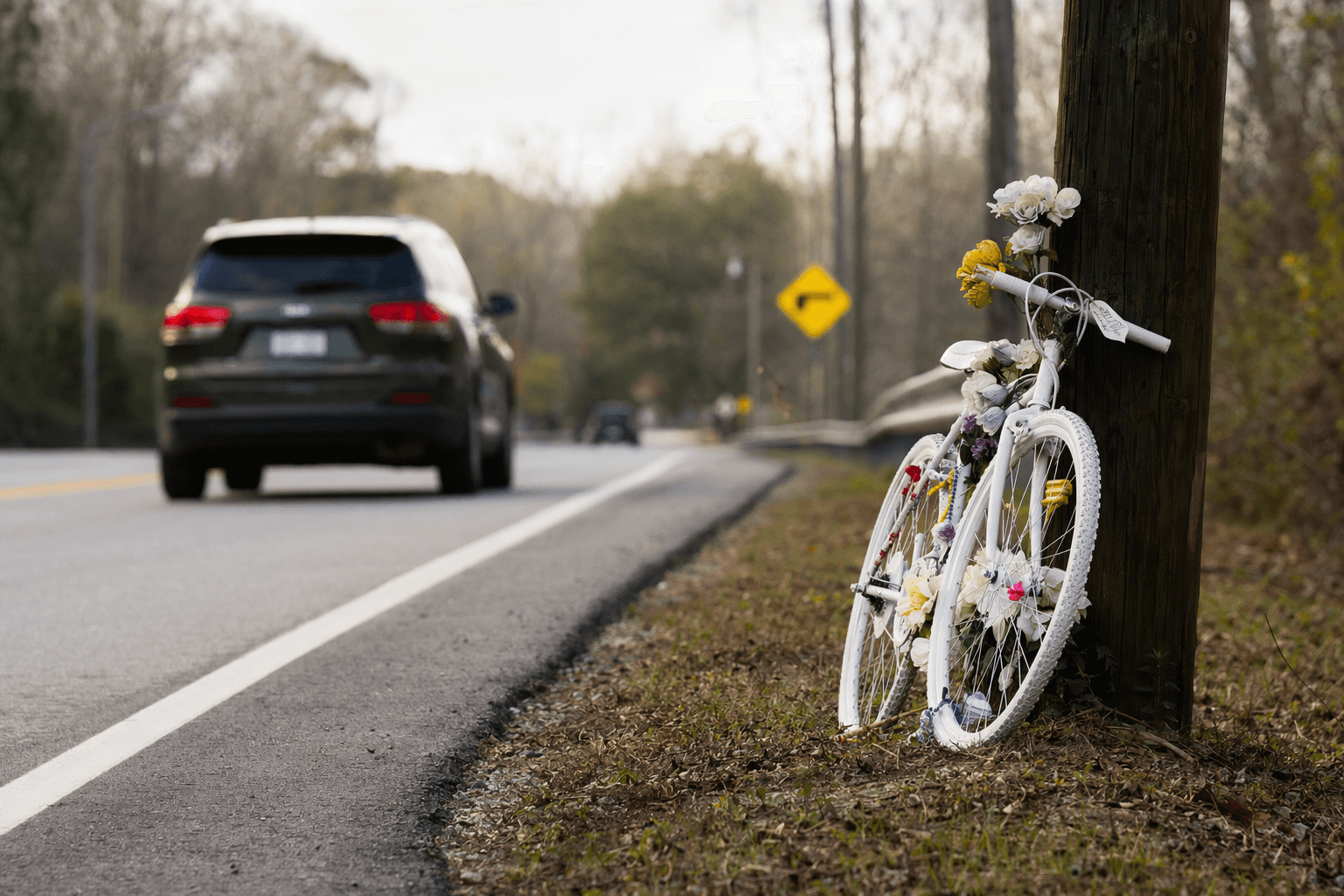
The facts also point to a larger public-safety problem that reaches far beyond one sheriff’s office or one stretch of pavement. Cyclists depend on drivers obeying passing laws that can be difficult to enforce on car-dominated roads like Sugar Pike Road. When those rules are ignored, the consequences are not abstract. They are fractured spines, roadside treatment and riders forced to weigh every outing against the possibility of a hostile encounter.
Collins said he hoped to be back on his bike within about a week. The deeper question is whether that kind of recovery should depend on luck, a camera and a license plate number, or on streets and laws built to protect cyclists before a crash happens.
This article was produced by Prism’s automated news system from verified source data, official records, and press releases, then run through automated quality and moderation checks before publishing. The system is built and supervised by the people who set the standards it runs under. Read our full AI policy.
Did this article answer your question?

