Vienna set to host Eurovision 2026 as contest marks 70 years
Vienna will host Eurovision’s 70th edition with 35 songs confirmed, while boycott politics and returning stars sharpen the contest’s cultural fault lines.
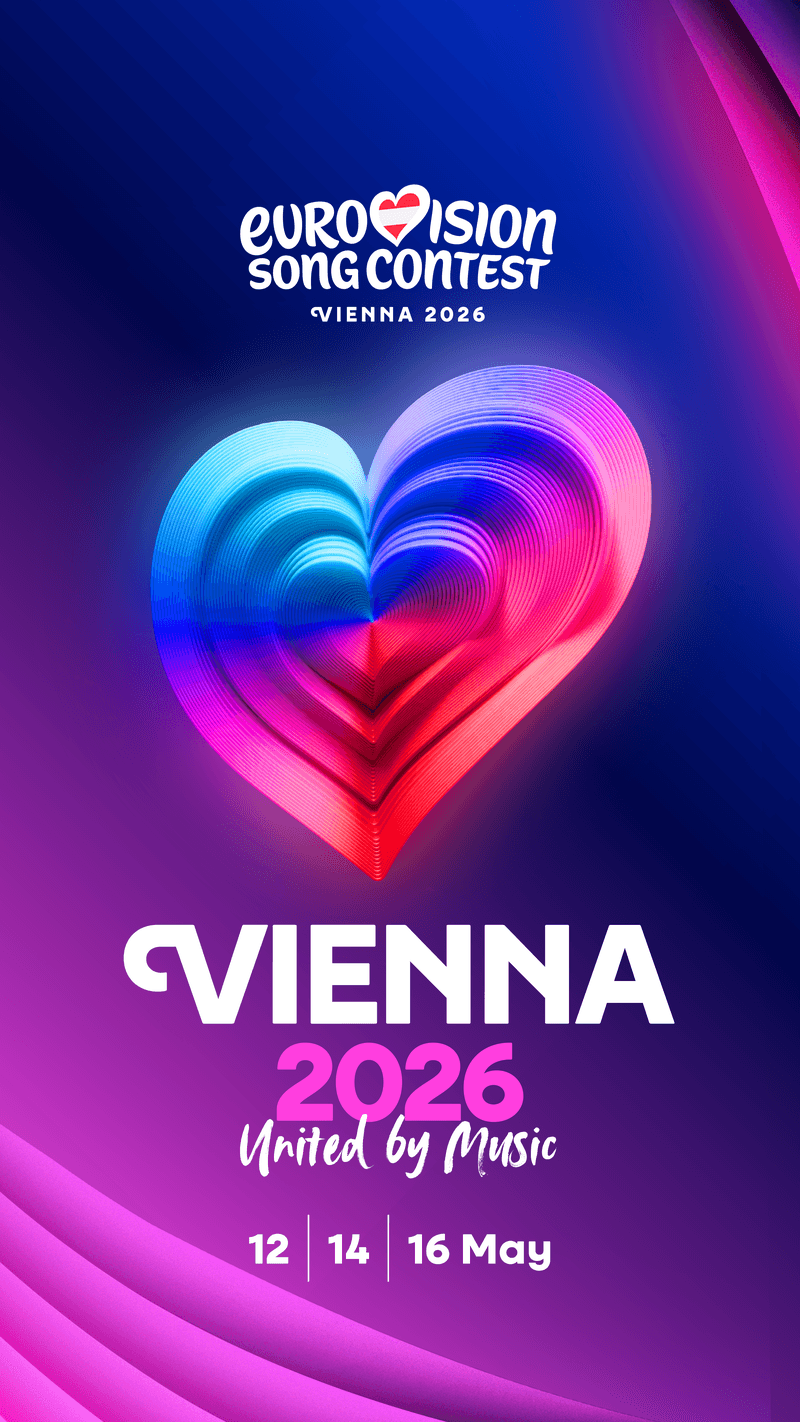
Vienna will become the centre of Eurovision’s 70th edition, with 35 entries already confirmed and the official song roundup laying out artist biographies, lyrics and the full list of songs. The contest’s own staging now reads as a snapshot of Europe’s arguments this year, from dancefloor excess and nostalgia to sharper debates over identity and protest.
Austria earned the hosting right after JJ won Eurovision 2025 in Basel on 17 May with Wasted Love, bringing the contest back to Vienna for the third time. The European Broadcasting Union chose the city through a competitive bid process that weighed venue, infrastructure and the ability to handle thousands of delegations, crew members, fans and journalists. The EBU has framed the 70th anniversary as part of a wider celebration of Eurovision’s scale as the world’s largest live music event.
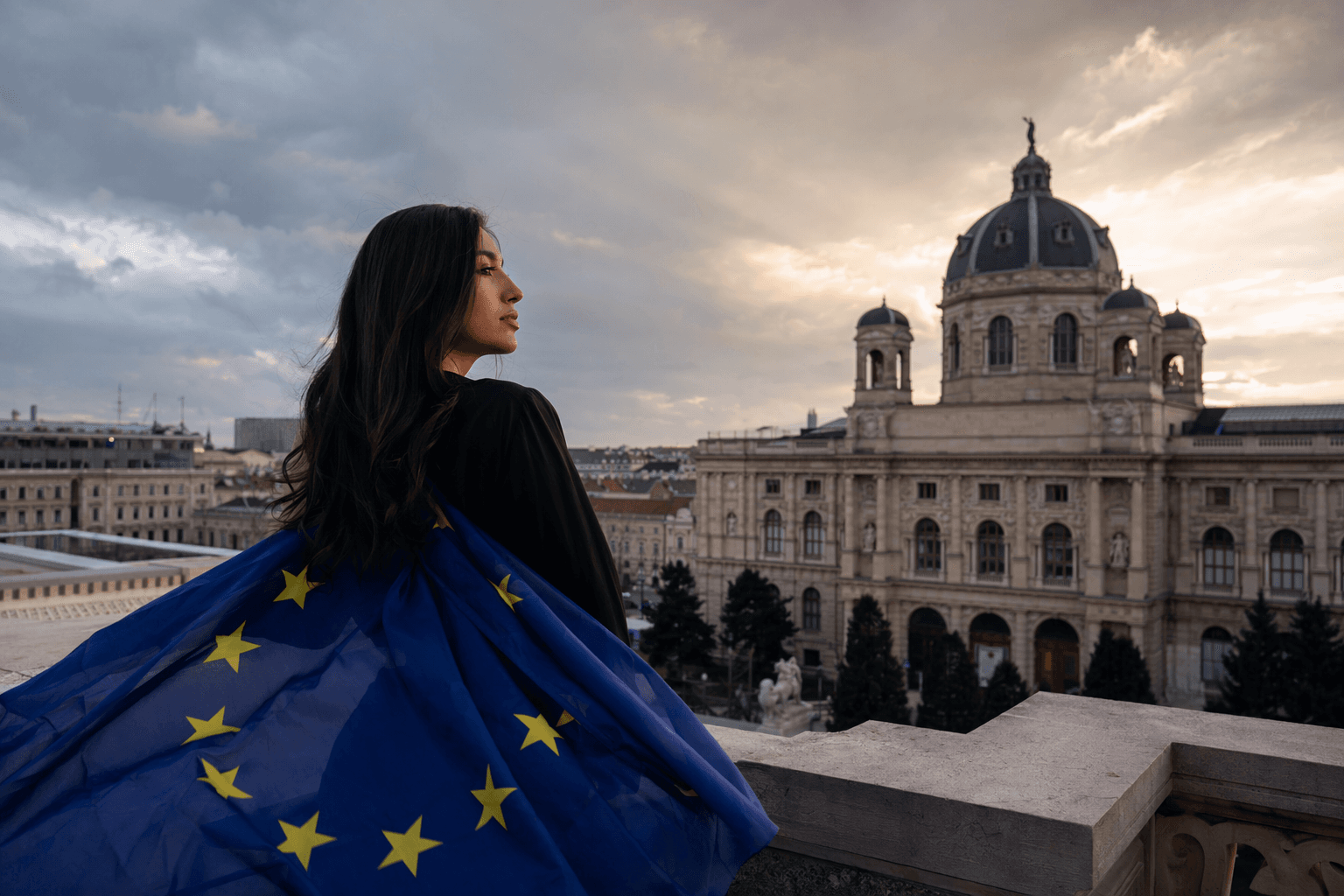
The Grand Final is scheduled for Saturday 16 May 2026 at the Wiener Stadthalle, with the two semi-finals set for Tuesday 12 May and Thursday 14 May. Vienna previously hosted the contest in 1967 and again in 2015, giving this year’s production a city already accustomed to the pressure that comes with turning a pop show into a continent-wide broadcast.
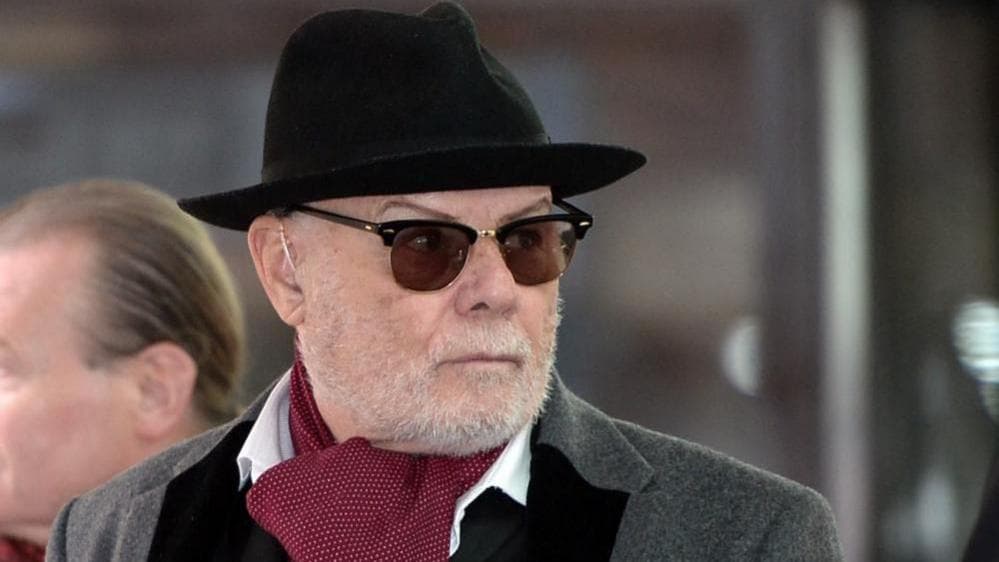
That pressure extends well beyond the stage. Boy George has defended his decision to participate amid boycott calls linked to Israel’s Eurovision involvement, saying he would not turn his back on Jewish friends. Reporting also says he is due to represent San Marino alongside Senhit with a song he co-wrote, adding another familiar name to a lineup that already blends returning figures, national selection stories and political tension.
The official roundup page for Vienna 2026, with its 35 songs and official lyrics, will be one of the clearest places to read the contest as cultural commentary rather than simple spectacle. In a year marked by provocation, identity politics and the pull of nostalgia, Eurovision is once again showing how much of Europe’s public argument can be hidden inside three minutes of pop.
This article was produced by Prism’s automated news system from verified source data, official records, and press releases, then run through automated quality and moderation checks before publishing. The system is built and supervised by the people who set the standards it runs under. Read our full AI policy.
Did this article answer your question?