Vietnam police raid Lam Dong warehouse, seize tons of soybean-based fake coffee
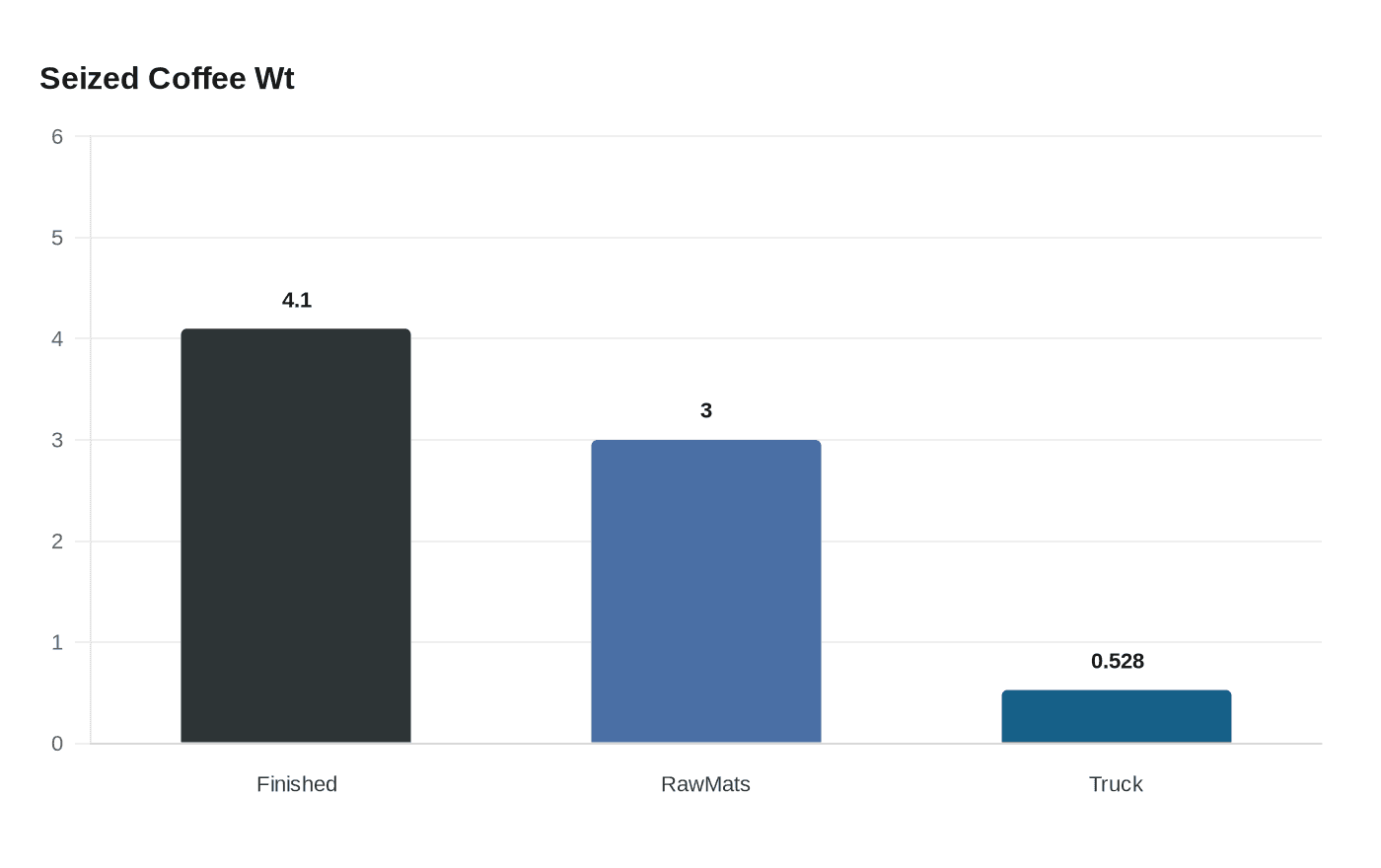
Police raided a Lam Dong warehouse, seizing 4.1 tonnes of finished fake coffee and 3 tonnes of raw materials made with soybeans and flavourings, raising food-safety and supply-chain concerns.
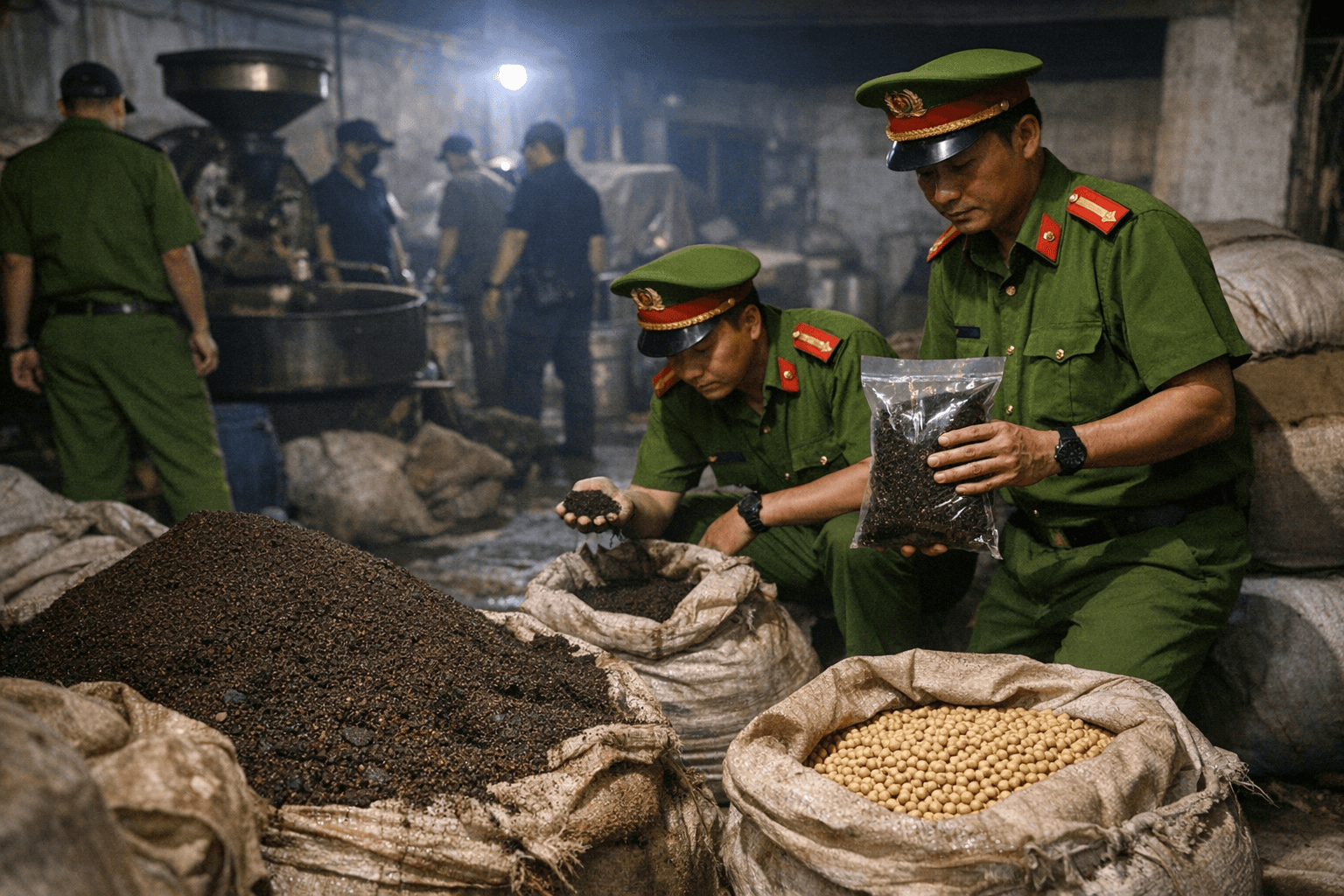
Vietnamese police raided a warehouse in Lam Dong province and seized large quantities of allegedly counterfeit coffee, launching a criminal investigation after investigators said the products were produced by mixing soybeans and flavourings with coffee. The Ministry of Public Security said the operation uncovered major quantities that officials say were intended for the local ground-coffee market.
Authorities reported two headline figures: finished fake coffee products weighing 4.1 tonnes and raw materials weighing 3 tonnes. The raid followed a January 27 search of a truck found carrying 1,056 bags of ground coffee, a total of 528 kg, that had no accompanying documentation. Police said the truck search preceded the warehouse action and helped trigger the wider probe.
Police named the warehouse owner as Luong Viet Kiem. Kiem admitted to police that, "His firm mixed soybeans and flavourings with coffee beans to produce ground coffee for the local market." Officials have opened a criminal probe and said further investigations are under way; authorities have not yet released laboratory test results confirming the exact composition of the seized material.
The case feeds long-running concerns in the Central Highlands, Vietnam's primary coffee-growing region and the heartland of Robusta production. Nguyen Quang Tho, a coffee trader based in neighbouring Dak Lak province, put the issue bluntly: "Fake coffee products are not rare, and they can be made from soybean or corn, or even both." Nguyen added, "Soybeans and corn are edible and a lot cheaper than real coffee beans, but who knows if it's safe for the health to drink these fake coffee products."
Economic incentives for adulteration are clear in local price spreads. Farmers in the Central Highlands are selling coffee beans at 100,500 to 100,100 dong per kg (about S$4.90), a price reported as around three times higher than soybeans. At the same time, national export figures for 1.6 million tonnes of coffee were reported with differing valuations: some reports put 2025 exports at $11.3 billion, while others cited $8.9 billion for the same volume last year. Those discrepancies underscore the need for verified official trade data as investigators trace distribution channels.
This episode echoes an earlier Central Highlands case in 2018 when police arrested five people over chemical adulteration of waste coffee. For consumers and small roasters, the immediate practical steps are familiar: verify product provenance, avoid unlabelled bulk ground coffee, and heed any public-health advisories that may follow lab testing. For growers and traders, the raid highlights the reputational and commercial risk counterfeit products pose to Vietnam's Robusta supply chain.
Expect officials to clarify the total seized weight, release laboratory analyses, and outline any criminal charges as investigations continue.
Know something we missed? Have a correction or additional information?
Submit a Tip