Vineland trucker joins pilot to expand living kidney donations
A Vineland trucker joined a pilot that pairs patients with volunteer social-media advocates to seek living kidney donors. This could change transplant access for Cumberland County residents.
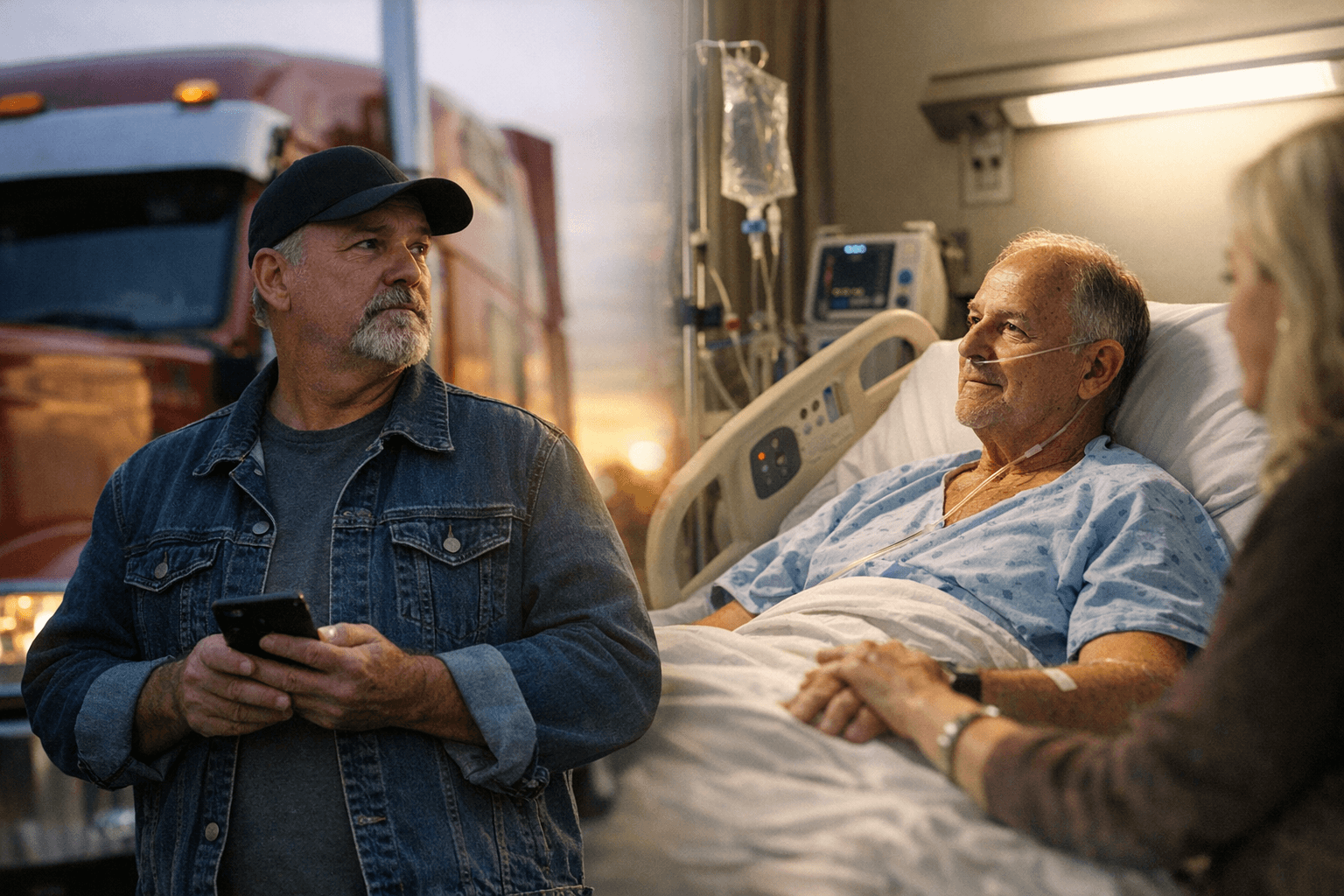
Fernando Moreno, a 50-year-old truck driver from Vineland, signed on to a pilot program called The Great Social Experiment as he continues the wait for a kidney transplant. Moreno has been on dialysis for about two years and, because his personal social network is limited, hospital staff arranged for him to participate in a project that connects patients with volunteer "Angel Advocates" who use their social networks to share patients’ stories and seek potential living donors.
Temple University Hospital arranged Moreno’s enrollment in the pilot, which on January 12 included 15 patients across three Pennsylvania hospitals. The program, organized by Los Angeles filmmaker David Krissman, tests whether motivated volunteers can increase the chances of patients with smaller personal networks finding living donors. Organizers report early signs of promise; Moreno has not yet found a donor through the program but said the effort has given him renewed optimism.
The stakes are high. About 90,000 people in the United States are waiting for a kidney transplant, and living donation can shorten waiting times and improve outcomes for recipients. Living donors must pass medical screening and meet health criteria before donation. Donations fall into two broad categories: directed donations, where the donor identifies the recipient, and non-directed donations, in which a donor gives anonymously and the organ is matched through transplant systems.
For Cumberland County, the pilot highlights a broader public health and equity issue: access to living-donor transplants often depends on social capital. Patients with large or digitally connected networks may reach potential donors more quickly, while people like Moreno, who work long hours and have smaller social circles, can be disadvantaged. The pilot aims to level that playing field by using volunteers to expand outreach beyond a patient's immediate contacts.
If the model proves effective, it could relieve pressure on the deceased-donor waiting list and provide a practical route to more timely transplants for locals. But scaling such efforts will also require attention to policy: standardized screening support, coverage of donor evaluation costs, paid leave for donors, and community education to ensure campaigns are ethical and protect patient and donor privacy.
Our two cents? If you live in Cumberland County and want to help, consider sharing verified transplant program information or volunteering time to amplify a patient’s story. If you or a loved one face kidney failure, talk with your transplant center about living donation options and what protections and supports are available for donors and recipients.
Sources:
Know something we missed? Have a correction or additional information?
Submit a Tip