Violent protests erupt in Brussels over Belgium education reforms
Tear gas and smashed windows marked Brussels as protesters opposed tuition hikes and unpaid teaching-hours changes that could reshape French-language education.

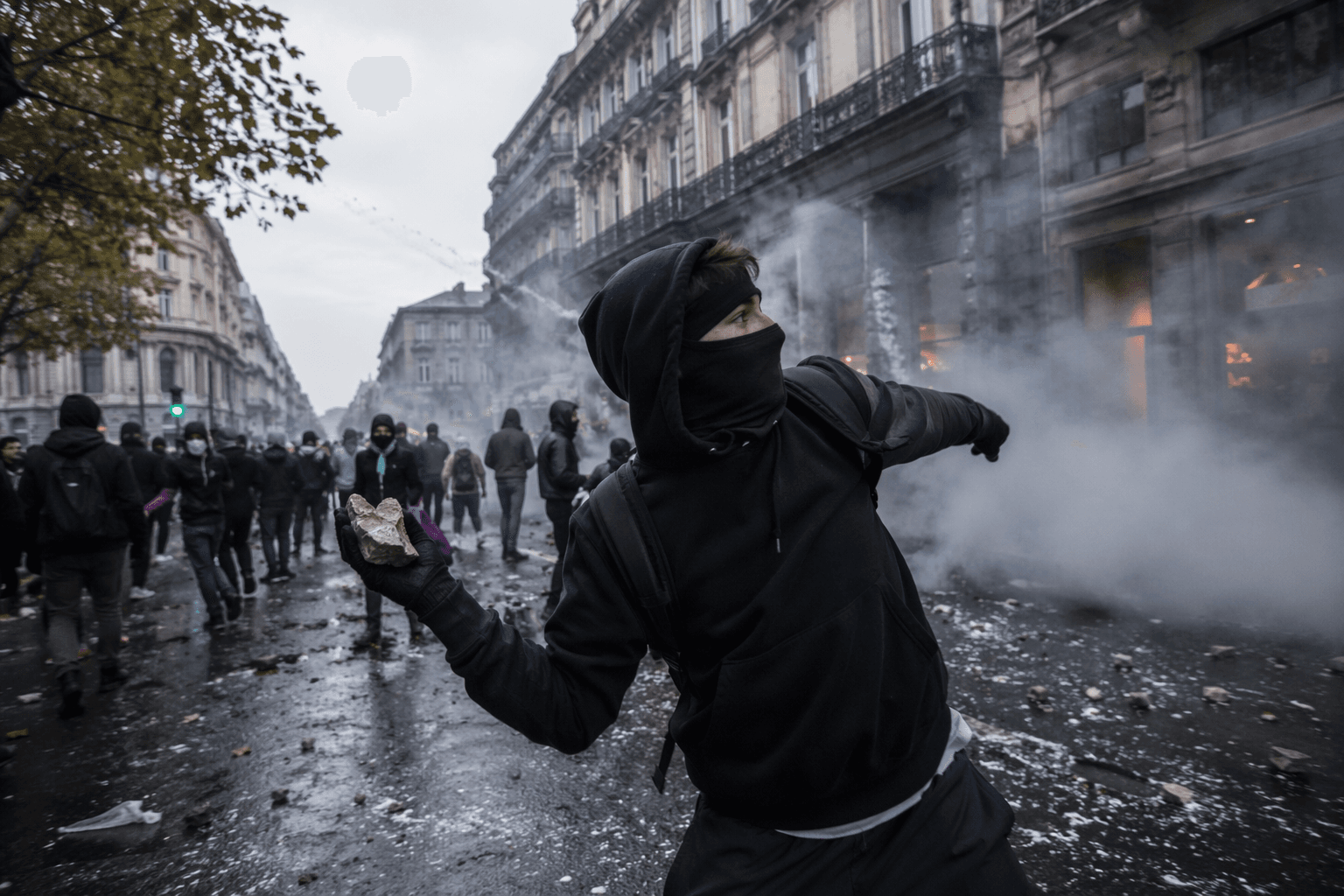
Tear gas hung over central Brussels as police pushed back protesters opposing Belgium’s planned education reforms, leaving the streets near Brussels-Midi station littered with debris, vandalized bicycles and damaged signs. Windows were smashed in the city center, and police urged people to avoid the area as demonstrations over schooling policy turned violent in the heart of the capital.
At the center of the anger is a package pushed by Belgium’s French Community government, which oversees French-language education in the Wallonia-Brussels Federation. The sharpest flashpoint is tuition: annual higher-education fees for most students would rise from 835 euros to 1,194 euros, a jump of about 35 percent. The government says the increase is part of a cost-cutting drive and would bring fees closer to those charged at Flemish universities, but students and educators see it as a direct hit to access and affordability.
The reforms go well beyond tuition. Teachers working with pupils in the final years of secondary school would be required to take on two additional classroom hours each week without extra pay, and the package also includes revised tenure rules. Teacher union sources say the plan would also change sick leave benefits, tighten early-retirement rules and end civil-service status for new teachers, replacing it with fixed-term contracts. Union leaders warn that the changes would mean more work for the same salary and less protection for staff already under strain. About 120,000 teachers work in French-language education, making the dispute broad and politically sensitive.
The unrest had been building for months. About 3,000 students protested in Brussels on March 28 against the tuition increase, and teachers had already staged repeated actions as the reforms advanced. Belgian media also reported calmer demonstrations in Namur and Charleroi, showing that the backlash was concentrated but not limited to the capital. Teachers had been protesting education budget cuts in French-speaking regions since the beginning of the week, with students joining in on Thursday morning.
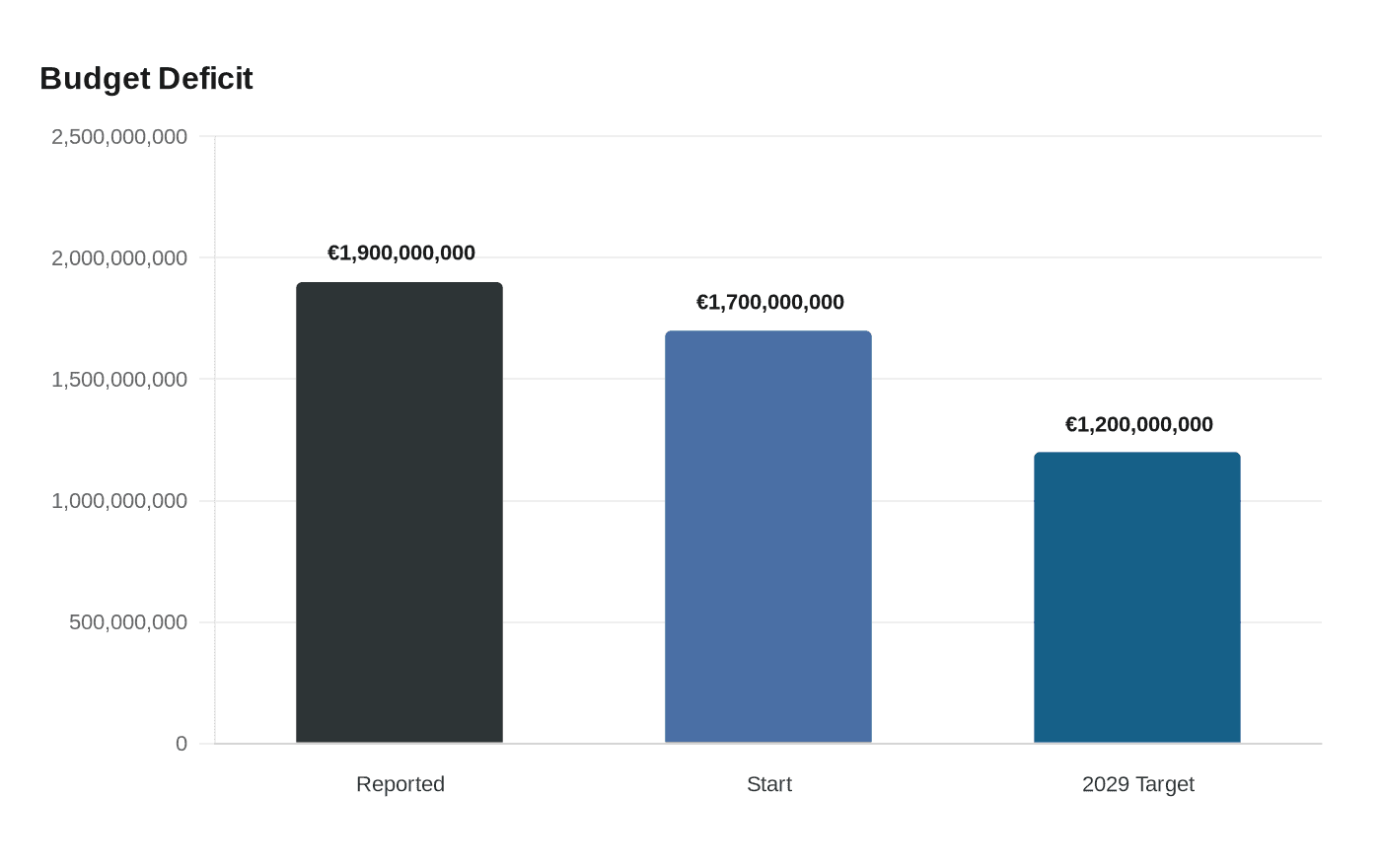
The fight reflects a wider European pressure point: how far governments can push austerity-style reforms in public services before they lose legitimacy in the streets. Budget cuts were central to the MR-Les Engagés coalition agreement that brought the French Community government into office after the 2024 election cycle, and the deficit target has become the justification for the changes. One report cites a 1.9 billion euro shortfall, while others say the aim is to cut the deficit from about 1.7 billion euros to 1.2 billion euros by 2029. Brussels has become the test case for whether those savings can be forced through without deeper political damage.
This article was produced by Prism’s automated news system from verified source data, official records, and press releases, then run through automated quality and moderation checks before publishing. The system is built and supervised by the people who set the standards it runs under. Read our full AI policy.
Know something we missed? Have a correction or additional information?
Submit a Tip