Viral LabGerm videos showing animal harm spark outrage online
LabGerm clips pair AI narration with animal harm, turning pleco-fish cruelty into a viral outrage machine that has spawned memes, merch and backlash.
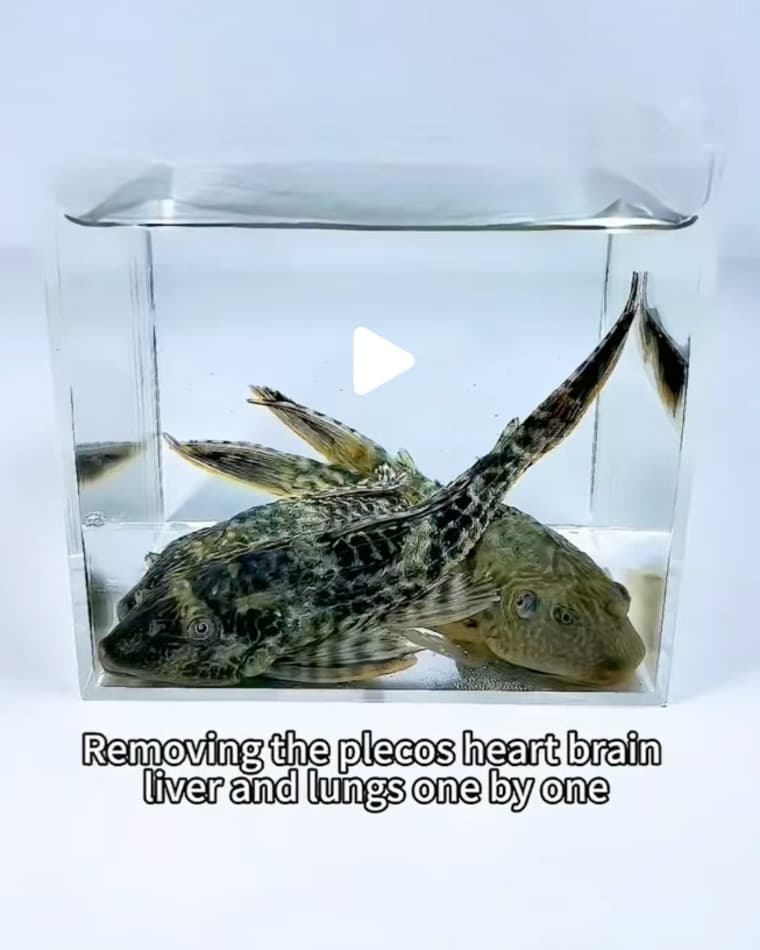
A stream of LabGerm videos has turned small-animal harm into a shareable internet format, with gloved hands, a white backdrop and an AI-generated voice fronting clips that NBC News said show small animals being physically maimed. The videos have spread far beyond the original posts, spawning reaction videos, discussion threads, bizarre memes and even merchandise as audiences split between disgust, fascination and condemnation.
The clips revolve most often around pleco fish, a hardy aquarium species known for helping clear algae from tanks. In the broader TikTok ecosystem tied to the handle @labgermhimself, the material began circulating in mid-to-late March 2026 and quickly hardened into a recognizable meme category. Some posts describe plecos as invasive, while others depict or allude to tests involving liquid nitrogen, vacuum chambers, extreme heat, mustard, hydrogen peroxide, cement, epoxy resin, fire ants and other substances or conditions.
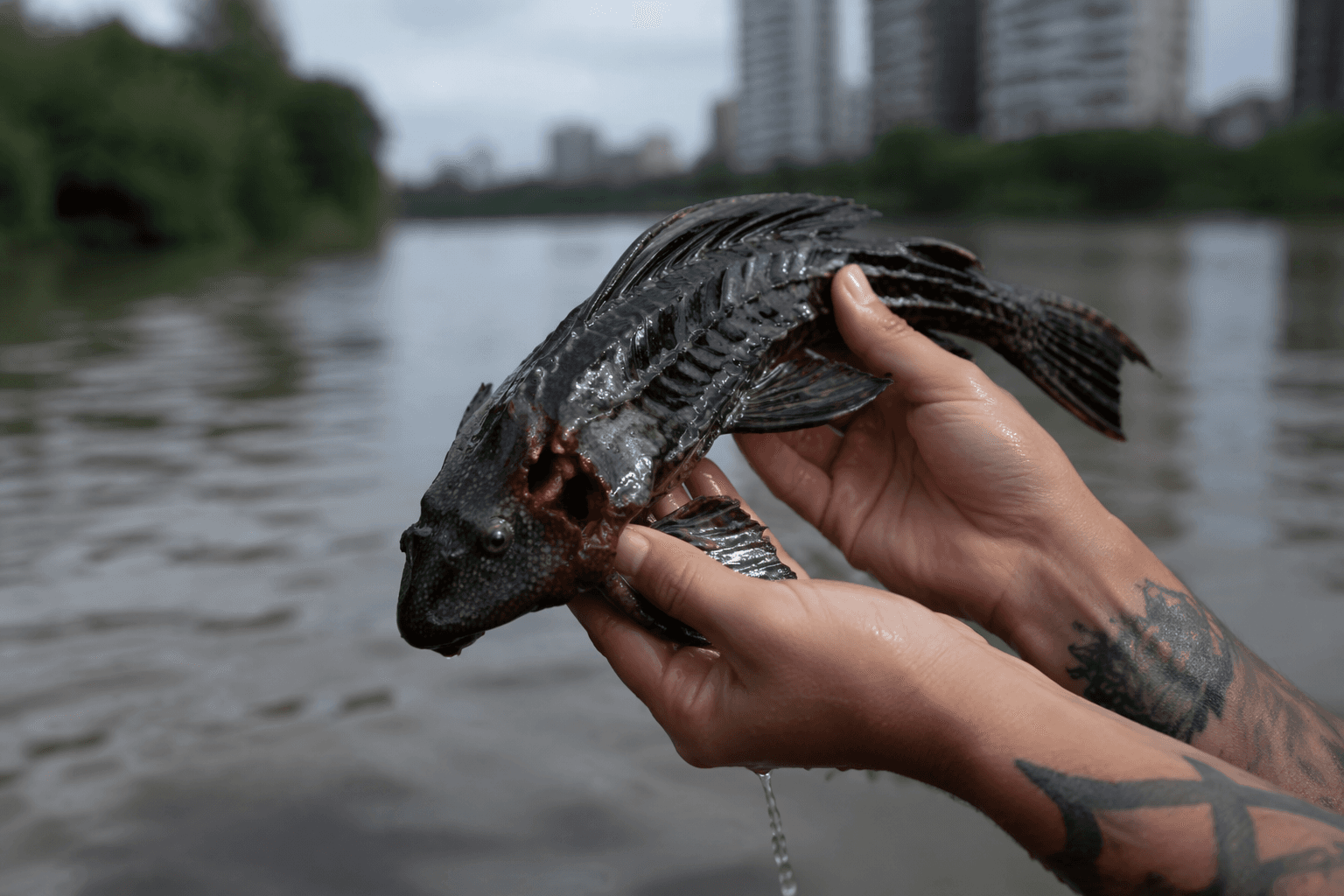
That framing matters because plecos are real animals with a real environmental history. Nature has reported that irresponsible aquarium dumping has helped plecos spread in warm-water parts of North America, and that two species of neotropical suckermouth catfish are now abundant and widespread in Florida, with additional presence in Arizona, Texas and North Carolina. That background gives the videos a veneer of pest-control theater, even as online viewers and creators increasingly describe them as animal abuse, torture or cruelty.
The scale of the backlash suggests the content is not simply being watched, but actively fought over inside the same attention economy that boosts it. NBC News said its review found dozens of videos depicting harm to small animals, underscoring how quickly the format has multiplied. At the same time, users have posted direct condemnations and calls to report the material, while other accounts package it as humor or meme content, helping keep the cycle moving.
What emerges is a grim blueprint for synthetic cruelty online: a lab-style visual gimmick, AI narration, familiar internet animals and a subject engineered to trigger outrage. The result is content that can be repackaged, reacted to and monetized as it ricochets across platforms, while the animals at the center of it remain the only part of the spectacle that cannot opt out.
Know something we missed? Have a correction or additional information?
Submit a Tip