Virginia Voters Sharply Divided Over Spanberger Despite Her Centrist Appeal
A new Washington Post-Schar School poll finds Virginia voters sharply divided over Gov. Spanberger just months after her landslide win, the largest Democratic margin in Virginia since 1961.
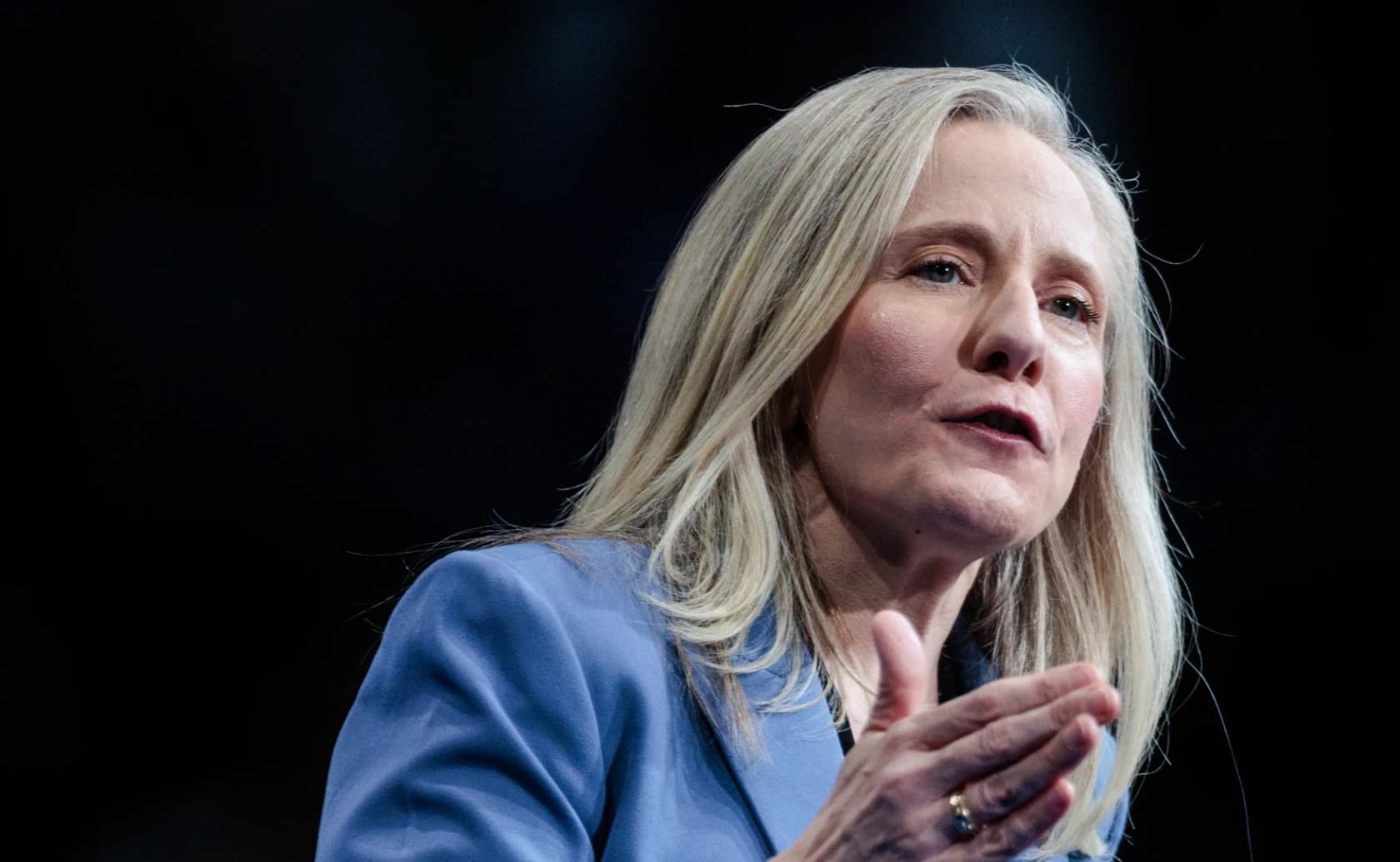
Abigail Spanberger swept into Virginia's governorship last November by more than 15 percentage points, the largest Democratic victory margin in the state since 1961, carrying counties that voted for Donald Trump in three consecutive elections. Three months later, a Washington Post-Schar School poll found that Virginia voters are highly polarized over her, a striking reversal that exposes the limits of unity branding when governing gets partisan.
The proximate cause of that erosion is redistricting. The April 21 referendum Spanberger has backed would allow the Democratic-controlled General Assembly to scrap the bipartisan congressional maps drawn by a voter-approved redistricting commission and replace them with a configuration giving Democrats a 10-to-1 advantage in Virginia's 11-seat congressional delegation, which currently sits at a 6-to-5 Democratic split. Spanberger had no procedural role in passing the proposed constitutional amendment, but she signed the bill establishing those maps and cast her early ballot in favor of the referendum. The maneuver handed Republicans a ready-made attack: Spanberger had previously condemned partisan gerrymandering, and GOP operatives quickly recycled her own words in "vote no" mailers.
The result is a governor whose centrist brand is under pressure from both directions. A Roanoke College poll from April found her overall job approval at 53 percent, with 39 percent disapproving, figures that closely track the final numbers for her Republican predecessor, Glenn Youngkin. But averages obscure partisan intensity. The redistricting fight has energized Republican opposition while introducing doubt among some Democrats uncomfortable with what critics are calling a naked power grab. An April Washington Post-Schar School poll on the referendum itself found 52 percent of likely voters supporting the measure and 47 percent opposed, with Republicans and Republican-leaning independents reporting higher motivation to vote: 85 percent said they were certain to cast ballots or already had, compared to 77 percent of Democrats and Democratic-leaning voters.
The partisan enthusiasm gap matters because it underscores what polarization actually costs a centrist governor. Spanberger entered office promising to govern on kitchen-table concerns. "I was elected running on issues of affordability," she said, pointing to housing costs and health care access as her true legislative priorities. Those issues have largely been crowded out of the political conversation by the redistricting fight. One Democrat close to the situation warned that the dynamic carries national implications: "This should be a flashing red light for Democrats everywhere."
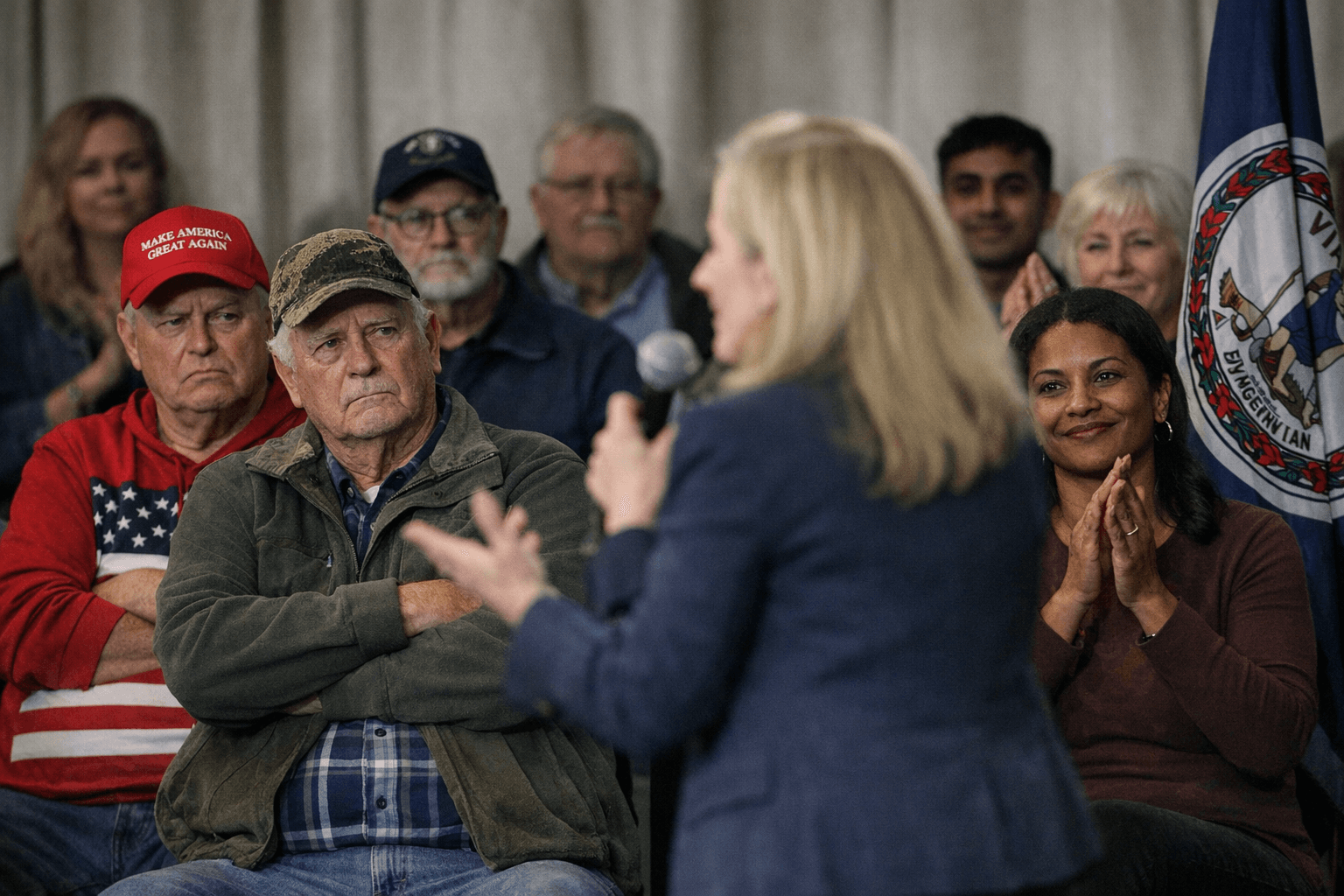
The national stakes are real. Spanberger was positioned explicitly as a model for how Democrats could win back persuadable voters, a former CIA officer and moderate congresswoman who flipped her own House district and then ran statewide on pragmatism over ideology. She delivered the party's response to Trump's State of the Union address earlier this year. If a governor with that profile cannot sustain cross-party goodwill beyond Election Day, it raises hard questions about whether "unity" can function as a governing posture, or whether it survives only as a campaign argument against a sufficiently unpopular opponent.
The April 21 vote will offer an early test. Spanberger's ability to bank the redistricting outcome without further cementing a partisan identity, and then return the conversation to affordability, will determine whether Virginia remains a laboratory for a functional Democratic center or becomes another data point for its impossibility.
This article was produced by Prism’s automated news system from verified source data, official records, and press releases, then run through automated quality and moderation checks before publishing. The system is built and supervised by the people who set the standards it runs under. Read our full AI policy.
Did this article answer your question?

