Visa restrictions block international students from jobs, push some to leave US
Visa rules are keeping international graduates out of interviews and jobs, threatening a talent pipeline that brought 1.18 million students and nearly $55 billion to the U.S.
International graduates are discovering that the hardest part of landing a U.S. job is not the interview itself, but getting an employer to move at all when visa rules enter the conversation. For many, the result is a blunt calculation: if hiring in the United States stalls, leave and build a career elsewhere.
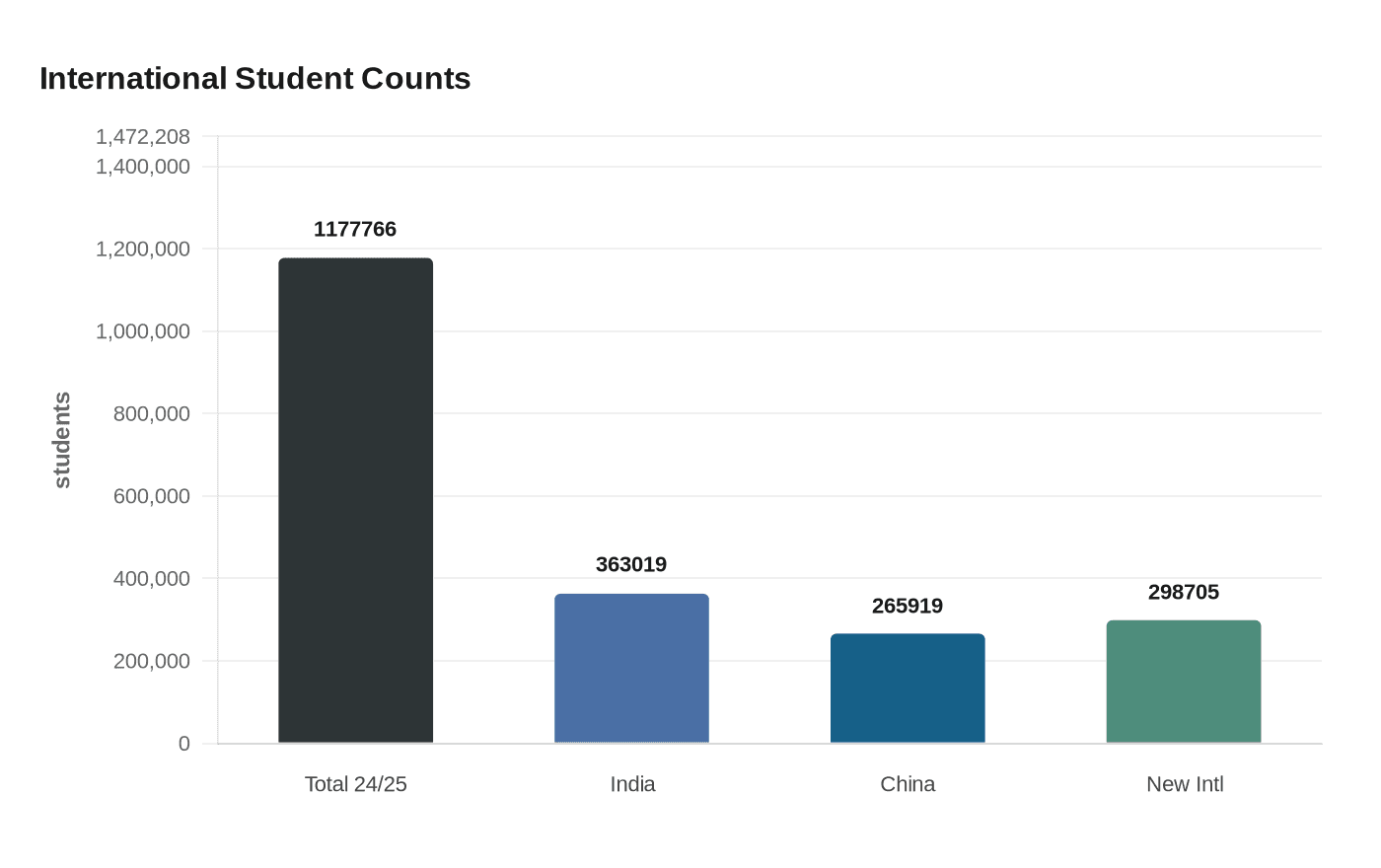
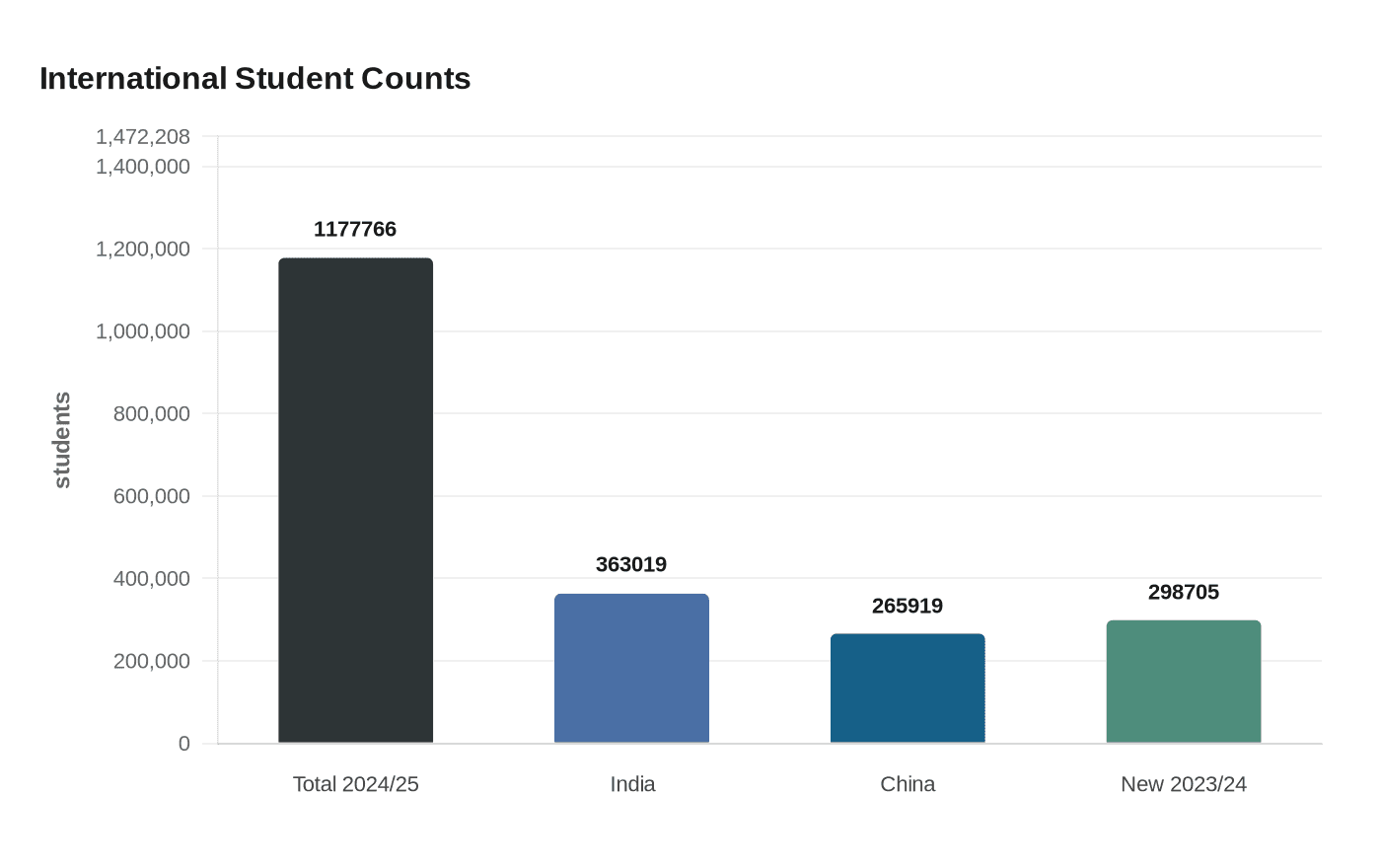
The stakes go well beyond individual job searches. U.S. colleges and universities hosted 1,177,766 international students in the 2024/2025 academic year, up 5% from the year before, and those students made up 6.1% of total higher education enrollment. India was the largest source country with 363,019 students, followed by China with 265,919. International students also contributed nearly $55 billion to the U.S. economy in 2024 and supported more than 355,000 jobs, making their path from campus to workplace a competitiveness issue for employers, universities and local economies alike.

That pipeline is tightening. NAFSA projected that downward shifts in international enrollment would cut spending by more than $1.1 billion and erase nearly 23,000 jobs in fall 2025. The group also said F-1 visa issuance fell 12% from January to April 2025 and dropped 22% in May 2025 compared with May 2024, signaling weaker incoming demand before students even reach campus. In late May 2025, the State Department paused scheduling new F, M and J visa interviews while it expanded social-media screening and vetting, adding delays and uncertainty for would-be arrivals.
For students already in the United States, the rules after graduation are unforgiving. Post-completion Optional Practical Training allows 90 days of unemployment, and STEM OPT adds 60 more days, bringing the total to 150 days. But SEVP can terminate a student who accrues 90 total days of unemployment during post-completion OPT, which means a job search is not only a career problem but a status problem. Optional Practical Training has long served as the bridge from study to work, and STEM graduates can extend it for 24 additional months if they work for an E-Verify employer.
That uncertainty is now shaping decisions before graduation. Open Doors reported 298,705 new international students in 2023/2024, matching the prior year and pre-pandemic levels, but later projections pointed to renewed declines. A separate Homeland Security proposal on Practical Training, expected in late 2025 or early 2026, has intensified anxiety around whether OPT will remain a reliable route into the U.S. labor market. If employers hesitate and visa rules harden further, the U.S. risks losing the tuition revenue, research talent and startup potential that international graduates bring with them.
This article was produced by Prism’s automated news system from verified source data, official records, and press releases, then run through automated quality and moderation checks before publishing. The system is built and supervised by the people who set the standards it runs under. Read our full AI policy.
Did this article answer your question?

