Visit Zion Canyon This Winter While Shuttle Service Is Paused
Shuttle service pauses for winter, opening the 15-mile Zion Canyon Scenic Drive to private cars; beat the crowds but prepare for icy trails, limited parking, and winter-only gear.
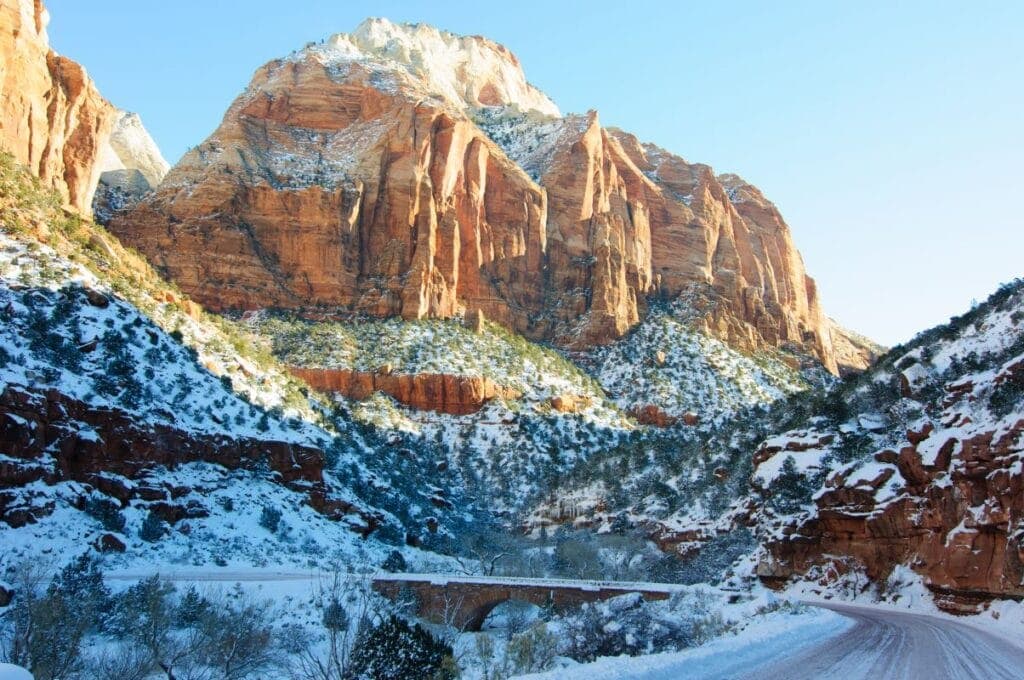
Winter turns Zion National Park into a very different trip. With shuttle operations paused, visitors can drive the full 15-mile Zion Canyon Scenic Drive, get to trailheads on their own schedule, and enjoy far smaller crowds than summer. That access makes sunrise hikes, quick moves between trailheads, and roadside picnics realistic options for visitors who plan carefully.
One writer captured the feeling: "With unfettered access to the park, you have more control over your day. You can do sunrise and sunset hikes, hurry from one trailhead to another, or just pull over at a pretty parking lot and have a picnic." Morning temperatures often sit in the low 40s and rise into the 50s by afternoon, making winter attractive for people avoiding desert heat. The best months to aim for solitude are December, January, and the start of February; avoid holiday weekends if you want quiet. "Don’t even think about visiting during holidays if you are looking for fewer crowds," a local guide wrote.
Drive access helps solve some peak-season headaches, but winter brings its own hazards. Water trails like the Narrows and the Subway require sloshing through the Virgin River and, in winter, "can only be hiked with a dry suit." The Narrows "is open but icy—experienced hikers will need dry suits and neoprene socks, while winter may not suit most visitors." Riverside Trail is a short, flat paved option at the canyon bottom, but observers have found it "was closed at about ¾ of a mile in because of ice." Exposed ledges on Angel’s Landing and rim trails become dangerous when icy; Emerald Pools and Weeping Rock can turn into "an almost ice skating rink" without traction.
Pack for traction and cold water: microspikes are recommended for icy sections, and Yaktrax or similar devices help on water-on-concrete patches. If you plan a slot-canyon or river hike, bring a dry suit and neoprene socks and be honest about experience. Layer clothing for changing conditions and plan hikes around shorter daylight. As one park advisor put it, "get to the trailhead by 9:30 a.m. at the latest."
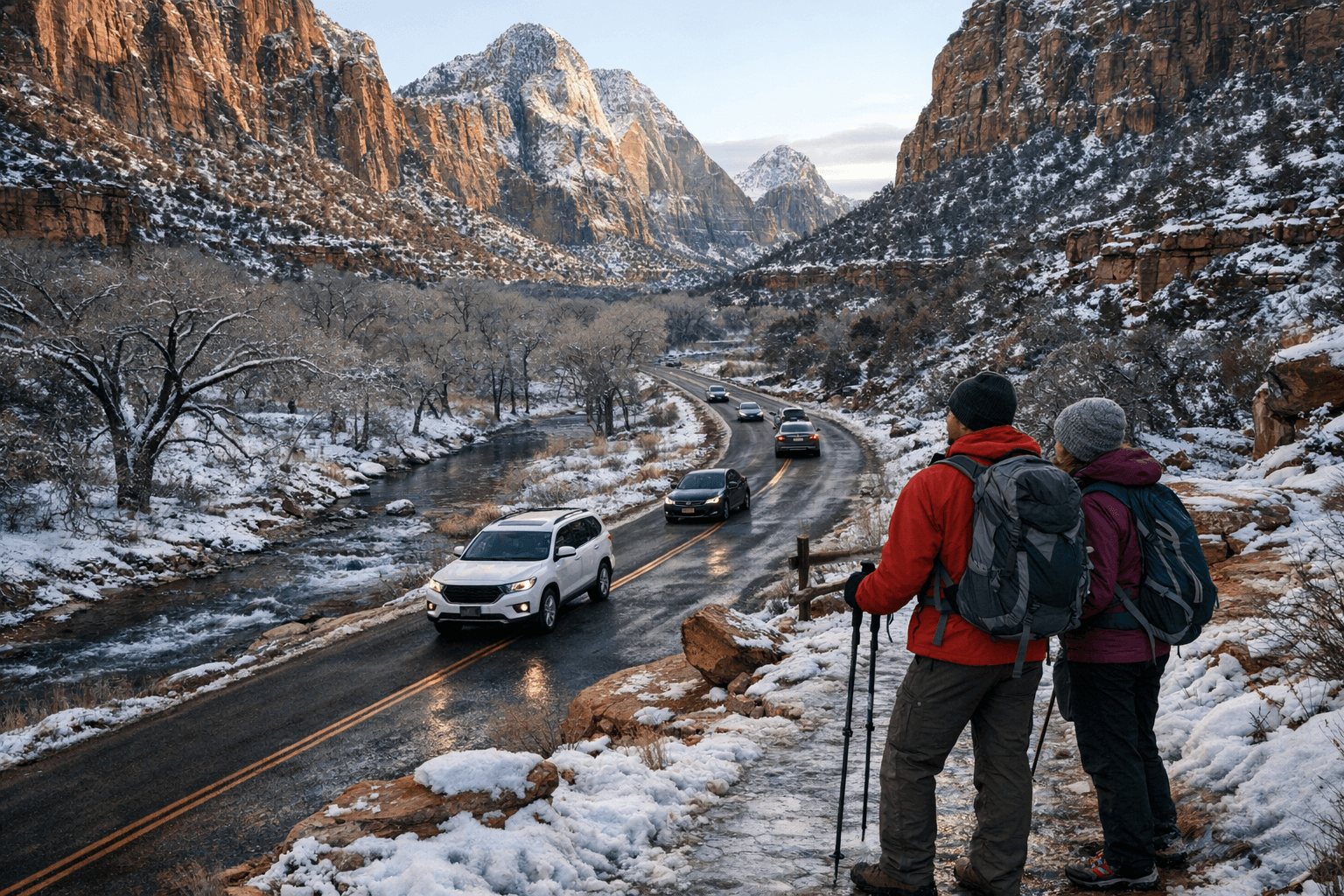
Parking requires strategy. If lots are full, you can use the visitor center, the pullouts between the south entrance and the scenic drive, and the Human History Museum; if those fill, park in Springdale. "If there is a closure, visitors to Zion Canyon can park at the visitor center, the pullouts between the south entrance and the scenic drive and the human history museum. If all those spots fill up too, visitors will have to park in the town of Springdale, Fink added." Zion Lodge also offers useful parking, paths to trailheads, and a warm dining room with large bay windows.
Reserve lodging early, especially at local resorts. "Reserve early, as winter availability fills up fast," advises one resort. For a winter treat, some visitors drive about 30 minutes from the park to hot-springs facilities with many pools. Finally, check current trail and road conditions before you go. "Keep Yourself Updated About Trail Conditions: The weather in Zion can shift quickly. For the latest updates on trail conditions, always check the National Park Service website before heading out." Winter in Zion rewards flexibility and preparation: drive the canyon, pick safer trails, bring traction and dry-suit gear if needed, and you can have big views with far fewer people.
Know something we missed? Have a correction or additional information?
Submit a Tip