Volker Schloendorff returns to Cannes, defends cinema’s enduring power
Volker Schlöndorff brought his 28th film to Cannes at 87, using a lake-house drama near Berlin to argue that cinema still evolves and still matters.
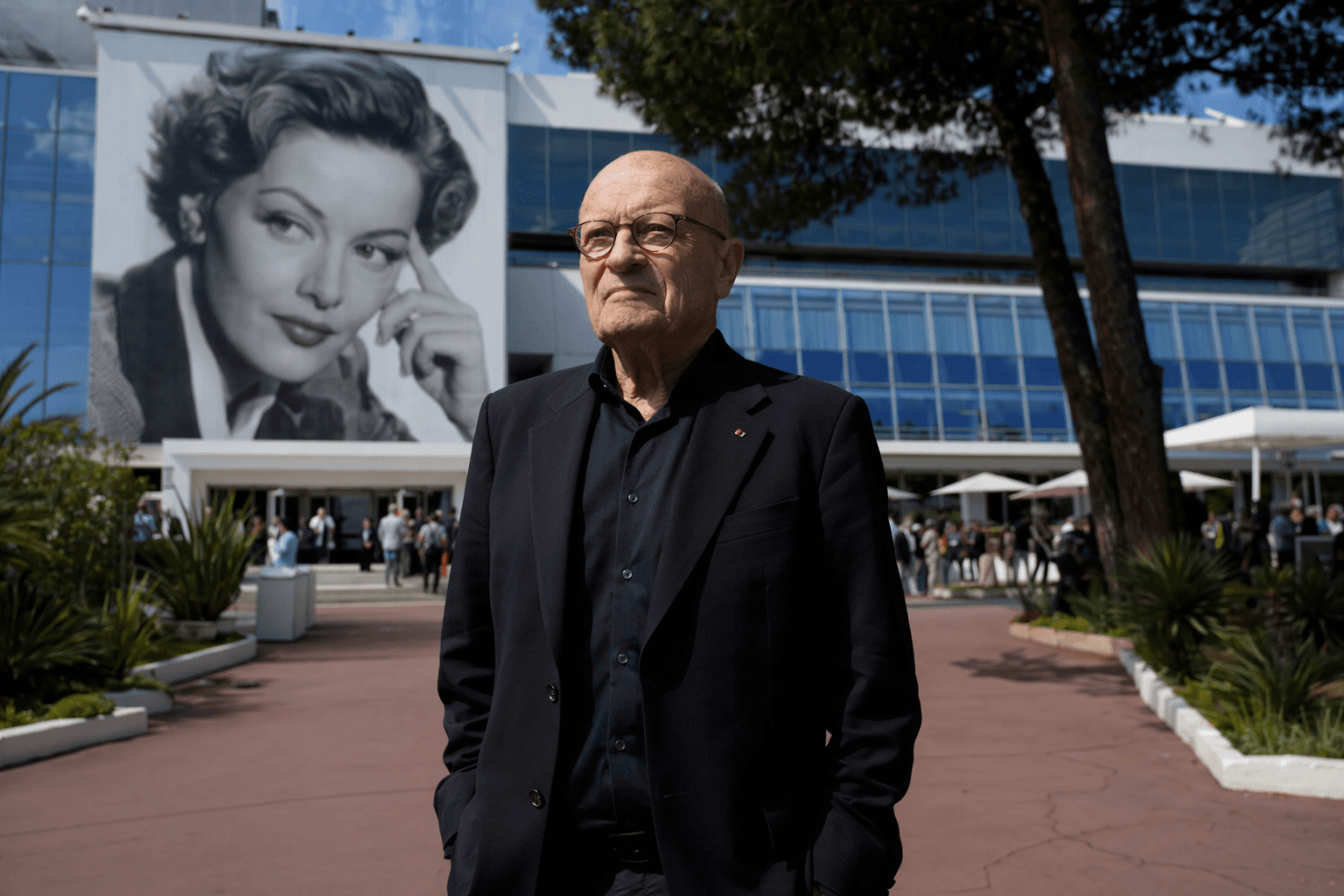
Volker Schlöndorff returned to Cannes with the confidence of a filmmaker who has already helped define the festival’s history, and with a new work rooted in Germany’s past. At 87, he brought Visitation to Cannes Première during the 79th Cannes Film Festival, which ran from May 12 to May 23, 2026, and said the event still showed that film remains alive, changing and far more varied than the movies most audiences usually see.
His comments carried extra weight because Cannes is not new ground for Schlöndorff. The festival’s own records trace his official selections back to 1966, when Der Junge Törless appeared In Competition and won the International Critics’ Prize. His biggest Cannes triumph came in 1979 with Die Blechtrommel, or The Tin Drum, which won the Palme d’Or and shared the prize with Francis Ford Coppola’s Apocalypse Now. The Academy of Motion Picture Arts and Sciences says Schlöndorff later accepted the Oscar for best foreign-language film for The Tin Drum at the April 14, 1980 ceremony in Los Angeles.
Visitation is Schlöndorff’s 28th film, and Cannes classed it in Cannes Première rather than the competition lineup. Freely adapted from Jenny Erpenbeck’s novel Heimsuchung, it centers on a house by a lake near Berlin and follows three families who live there from the 1930s until the fall of the Berlin Wall. One Jewish family is forced to sell the property, while a later architect tries to realize Bauhaus ambitions in East Berlin. Schlöndorff described the film as shaped by memory, especially the author’s own memories, giving it an impressionistic quality rather than the feel of a classroom lesson.

The film fit neatly into a Cannes that still tries to balance new arrivals and established names. The festival’s 2026 program materials showed competition, Un Certain Regard and Cannes Première operating side by side, a structure that keeps space open for veteran directors who return with literary adaptations, historical subjects and formal restraint rather than franchise spectacle. Schlöndorff’s own career, which also includes The Lost Honor of Katharina Blum, Death of a Salesman and The Handmaid’s Tale, shows how older auteurs have kept revisiting major works of literature and political memory as a way to make theatrical cinema feel immediate.
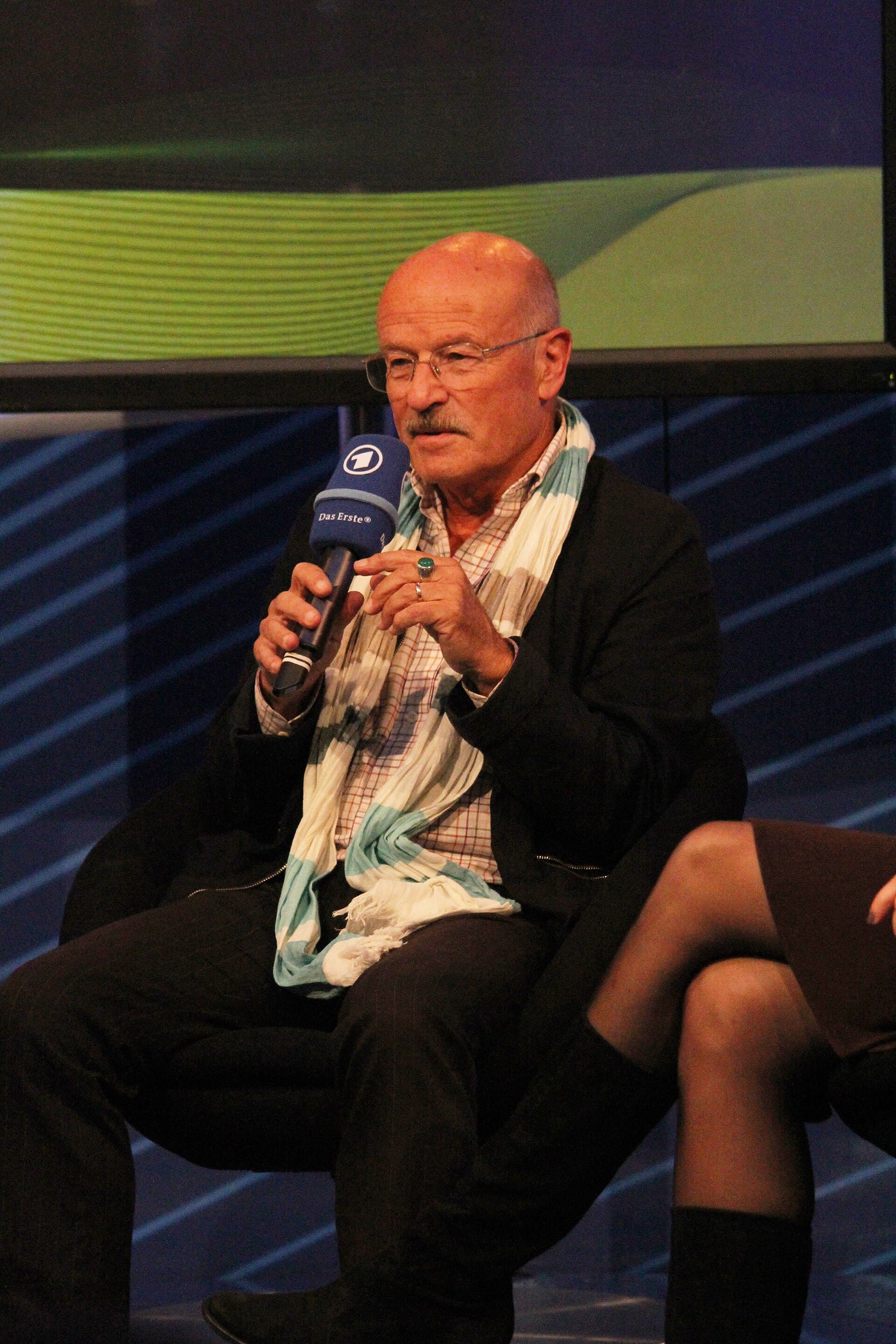
Seen from Cannes, Schlöndorff’s return was not a nostalgic lap. It was a reminder that the festival still treats cinema as a living art, one that can absorb history, survive industry turnover and hold its place even as streaming and new technology redraw the market around it.
Know something we missed? Have a correction or additional information?
Submit a Tip