Volkswagen’s China stronghold erodes as Chinese rivals expand worldwide
Volkswagen’s China engine built its global scale, but 2025 share losses and Chinese EV rivals now threaten its pricing power and European jobs.
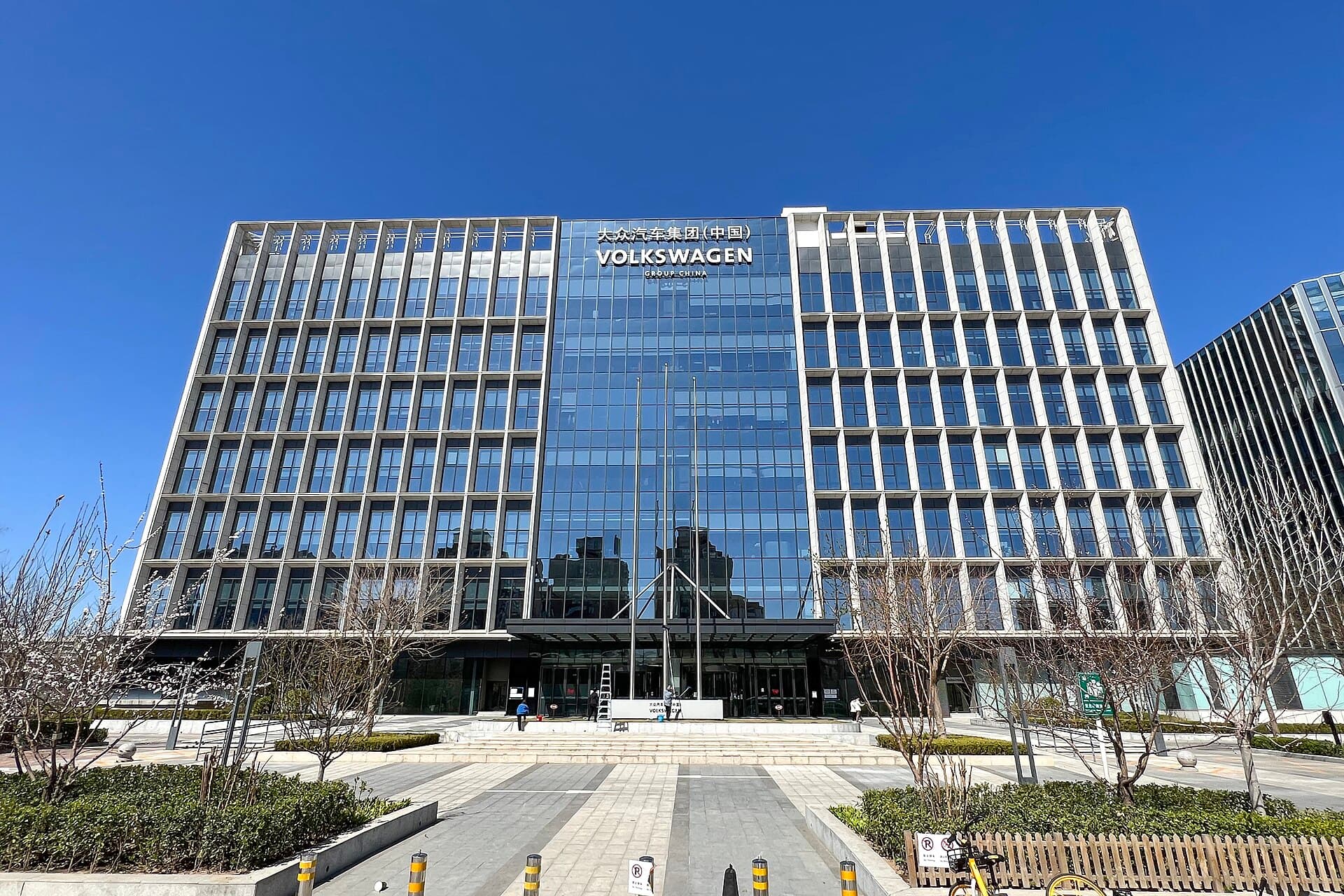
Volkswagen’s brand deliveries in China reached 2.015 million vehicles in 2025, but its two main China joint ventures held a combined 10.9% share of retail sales, down from 12.2% in 2024. The market that once delivered volume, profit and political leverage has become a place where local rivals set the pace on electric vehicles, software and price, while Chinese brands move outward into Europe and other export markets.
The China bet that built Volkswagen
Volkswagen’s relationship with China began in 1978, when Chinese partners first made contact with the company. Six years later, SAIC Volkswagen was established in Shanghai, becoming Volkswagen’s first joint venture in China, and in 1991 FAW-Volkswagen followed in Changchun. By 2017, Volkswagen added Volkswagen Anhui to make new-energy vehicles, extending a partnership model that had already been central to the company’s international expansion for decades.
The FAW-Volkswagen project, signed in November 1990, was the largest joint venture project in China’s machinery industry at the time. That deal helped lock in Volkswagen’s position with state-backed partners in China’s biggest industrial centers, including Shanghai and Changchun, and gave the company deep local manufacturing roots that foreign rivals struggled to match.
For years, that strategy worked. China became the core of Volkswagen’s global growth story, feeding plant utilization, sales volume and brand reach. It also shaped the company’s industrial logic: large joint ventures, broad model ranges and a reliance on scale in one market to support strength in many others.
Why the old model is breaking
Volkswagen was overtaken by BYD in 2024 and by Geely in 2025, pushing the German brand down to third place in China sales.
German carmakers’ China sales collapsed in the second quarter, underscoring how badly legacy brands have been hit by the slowdown in the world’s biggest auto market.
The EV, software and pricing squeeze
Volkswagen’s vulnerability is not only about Chinese buyers choosing domestic brands. It is also about the structure of the modern car market, where electric vehicles depend on software, digital controls and continuous product updates as much as on engine engineering. Chinese rivals have built those capabilities into their cost base, which gives them an edge in both technology and price discipline.
Its China strategy was built around local partnerships and large-scale production, but the new competitive contest is being fought on different terrain: faster EV development, more sophisticated software integration and tighter pricing. In that setting, the old advantages of broad model portfolios and established dealer networks matter less than they once did.
Chinese automakers are no longer only competing inside China. They are expanding overseas with cheaper and more sophisticated EVs, turning what had been a regional challenge for Volkswagen into a global one. The pressure is now visible in Europe and other export markets, where Chinese brands are increasingly willing to test established players on price, range and digital features.
Why the fallout reaches Europe
Volkswagen’s China exposure now carries consequences far beyond one company’s quarterly results. If the company must respond with major restructuring and a smaller global model lineup, the effects will run through German factories, suppliers and export channels. Volkswagen is one of Europe’s industrial bellwethers, and its production decisions ripple into jobs, investment and regional manufacturing policy.
The stakes are especially high in Germany, where the auto industry remains tied to exports and high-value industrial employment. A weaker Volkswagen in China means less room to cross-subsidize global ambitions, less confidence in large-scale product bets and more pressure to trim capacity or simplify lineups. That in turn raises uncomfortable questions for European policymakers who have long treated the auto sector as a pillar of industrial strategy.
Volkswagen helped build China’s auto market through joint ventures with SAIC Motor and FAW Group, but the result is not a protected stronghold. It is a market that helped make the company dominant, then exposed how quickly that dominance can erode once local competitors master EVs, software and price.
This article was produced by Prism’s automated news system from verified source data, official records, and press releases, then run through automated quality and moderation checks before publishing. The system is built and supervised by the people who set the standards it runs under. Read our full AI policy.
Did this article answer your question?