Voters Across England, Scotland and Wales Share Views on May Elections
Matt Chorley's cross-country voter conversations ahead of May 7 reveal a Britain where traditional party loyalties are collapsing under the weight of cost-of-living pressure and eroded trust.
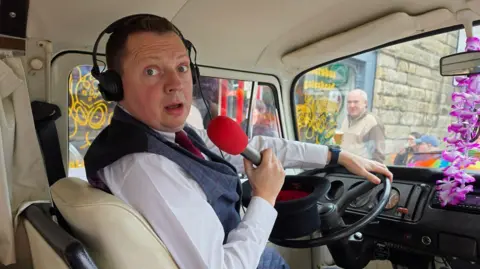
When BBC Radio 5 Live's Matt Chorley took his weekday politics programme on the road ahead of May's elections, the picture that emerged across England, Scotland and Wales was not one of a country choosing between Labour and the Conservatives. It was one of a country that has largely stopped believing in either.
The May 7 vote is the largest nationwide electoral test since Keir Starmer's government took office, encompassing more than 4,850 council seats across 134 English local authorities, Holyrood in Scotland, and a landmark Senedd election in Wales, the first under a reformed voting system that expands the chamber from 60 to 96 members. The scale alone makes it a de facto midterm referendum, but the mood on the ground suggests something deeper than a routine protest vote is taking hold.
YouGov data tracking voter priorities heading into the May contests puts the cost of living, the economy, migration and foreign affairs at the top of the list. Those pressures are not confined to any single region. They surfaced in conversations across all three nations, cutting across demographic lines that campaigns have historically treated as settled.
The polling numbers behind that mood are stark. Reform UK has risen by more than 20 points since 2022, when most of the English council seats now up for contest were last fought. Analysis by political scientists Colin Rallings and Michael Thrasher suggests Labour could finish the night over 1,000 councillors down. If the party performs as poorly as it did in the May 2025 local elections, losses could climb toward 2,000 seats. Labour's share of the vote in local by-elections since those 2025 contests has fallen by an average of 25 percent.
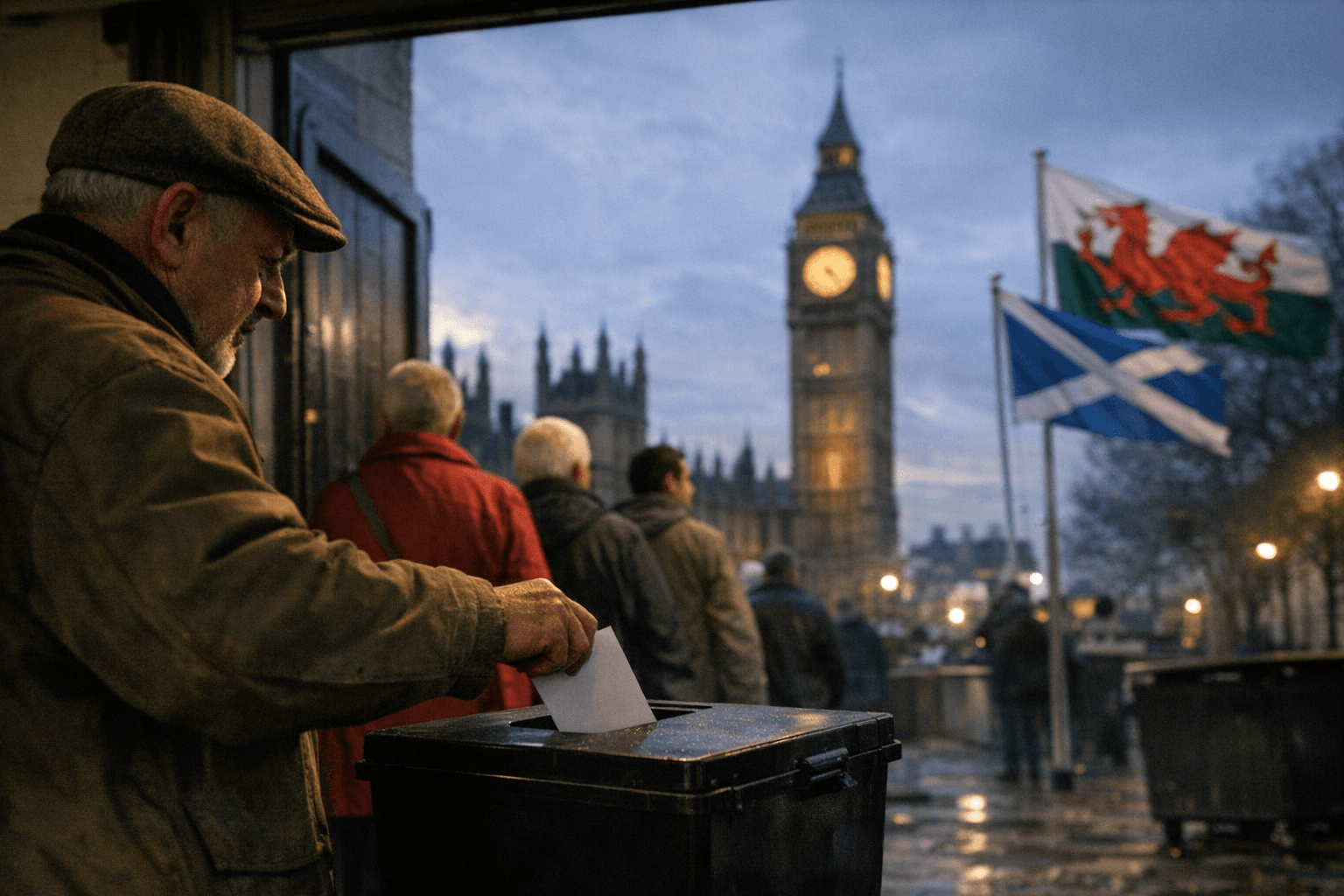
In Wales, where Plaid Cymru led in six of the most recent polls and Reform UK in five, the prospect of a historic first: Plaid becoming the largest party in the Senedd, has redefined the terms of the campaign. Plaid leader Rhun ap Iorwerth has ruled out any coalition with Reform, whose leader Nigel Farage had indicated his party would negotiate with any other Senedd group. Scotland, where the SNP is expected to win again at Holyrood, presents its own pattern of loyalty fracture, with Labour squeezed from both the nationalist left and the insurgent right.
For campaigns and pollsters watching from elsewhere, the warning is straightforward. Local elections in Britain in 2026 are functioning as what analysts have termed a free hit: a moment for voters to express fury without the immediate consequence of changing a national government. The danger for traditional parties is not that the anger is temporary. The danger is that it is becoming structural. If Reform and the Greens consolidate their gains on May 7, the tactical voting arguments that have historically corralled voters back toward Labour or the Conservatives at general elections become harder to make.
Turnout, as ever, may be the decisive variable. Plaid Cymru's base is considered among the most motivated to show up for a Senedd contest. In England, the question is whether disillusionment translates into abstention or into a vote for the insurgents. Chorley's conversations across three nations suggest that for a growing number of voters, the answer is no longer instinctive.
Sources:
Know something we missed? Have a correction or additional information?
Submit a Tip