Voters Across England, Scotland and Wales Share Views on May Elections
Voters in three nations told BBC Radio 5 Live the May 7 elections are far more fragmented than headline polls suggest, with identity, local issues and tactical calculations fracturing the map.
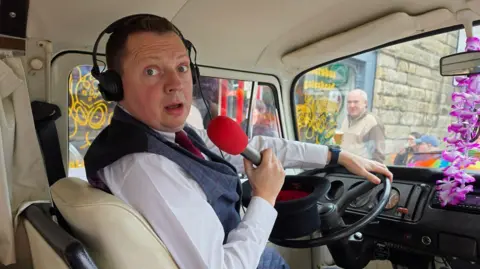
With 26 days until polling day, BBC Radio 5 Live presenter Matt Chorley took his programme out of Westminster on Friday and into the towns and communities where votes will actually be won and lost across England, Scotland and Wales. What voters described was not the clean two-horse race that national polling numbers can imply, but something considerably more complicated.
The May 7 elections are among the most structurally varied in recent British history. In England, 5,036 seats are being contested across all 32 London boroughs, 32 metropolitan boroughs, 18 unitary authorities, six county councils and 50 district councils. In Scotland, all 129 seats at Holyrood go to voters on the same day. In Wales, the Senedd election represents the most significant overhaul of Welsh democracy since devolution in 1999, with the chamber expanding from 60 to 96 members, constituencies reduced from 40 to 16, and voting rights extended to anyone aged 16 or over.
That structural divergence maps onto a wildly different political atmosphere in each nation. In Scotland, the SNP enters the contest after 19 years in power under first minister John Swinney, but YouGov's January 2026 Holyrood polling put the party at 34 percent of the constituency vote, down 14 points since the 2021 election. Reform UK sits in second place. Labour, at 15 percent on both constituency and regional ballots, faces what analysts have described as potentially its worst result in either a Westminster or Holyrood election in 116 years. The Conservative vote has roughly halved since 2021, threatening to fall to 10 percent on the constituency ballot.
Wales offers a different but equally destabilising picture for the old parties. Labour has not lost a Welsh election since 1931, but the Caerphilly by-election placed Plaid Cymru and Reform UK first and second, with Labour trailing. National polling has placed Labour in third in both Scotland and Wales simultaneously. For a party that has historically anchored its identity in its Welsh and Scottish working-class base, the implications stretch beyond a single set of devolved results.
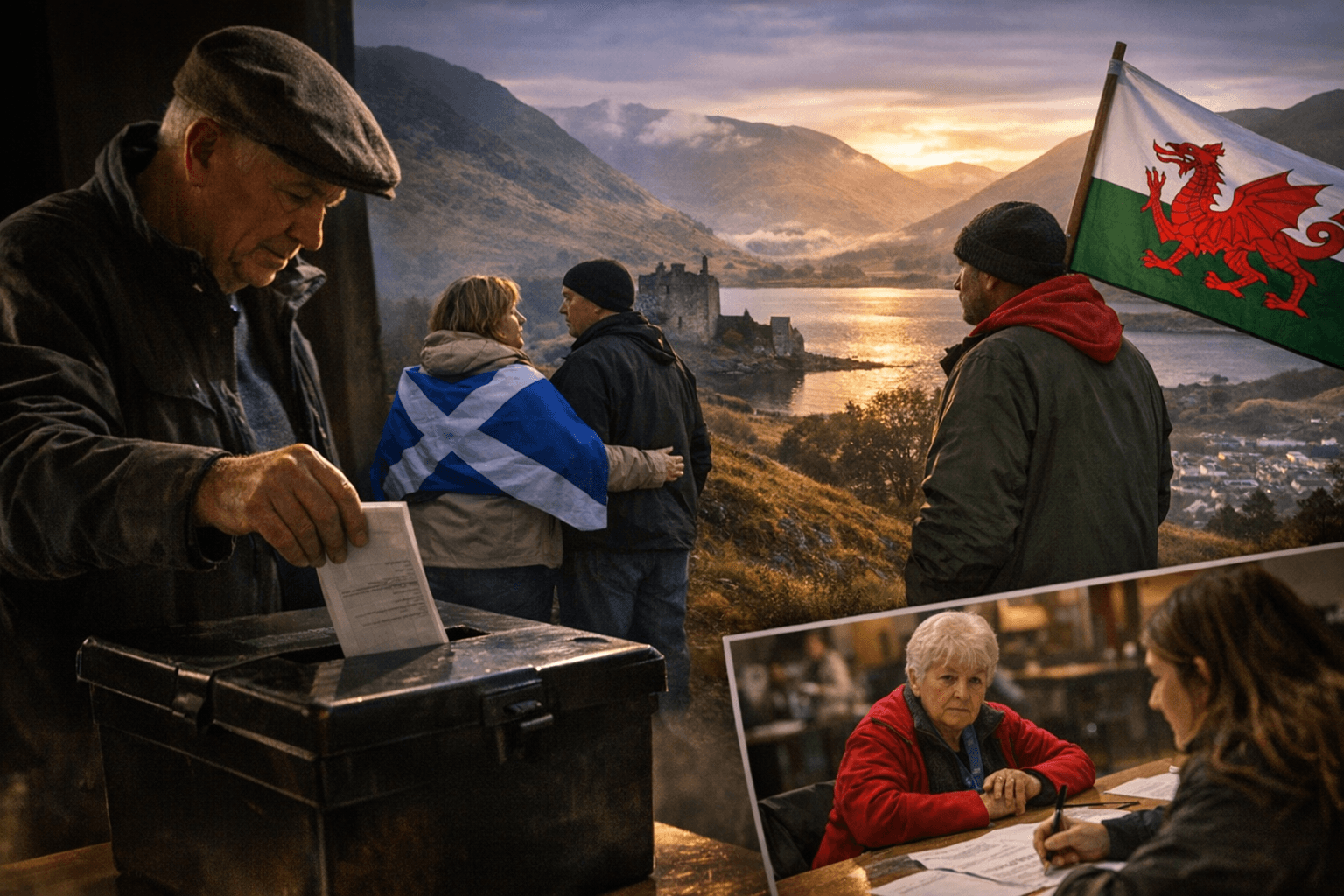
England's contest is no less fragmented. The postponement of elections in 30 local authority areas, affecting 4.6 million voters, was reversed only after Reform UK launched a successful legal challenge in February, forcing the government to announce a £63 million support fund for councils reorganising at short notice. The episode left a mark on voter sentiment in those areas. Meanwhile, the Greens won the Gorton and Denton by-election, defeating Reform UK with Labour falling to third place, signalling that the left-of-Labour vote is consolidating in urban and semi-urban seats where tactical calculations had previously kept Labour competitive.
Westminster polling from December 2025 put Reform UK at 27 percent, Labour at 19 percent and the Conservatives at 18 percent. But national averages flatten the texture that Chorley's voter conversations exposed: Reform's surge is not uniform, Lib Dem strength in suburban and rural southern England seats creates entirely different tactical incentives, and turnout in newly reformed Welsh constituencies remains an open variable with a substantially expanded electorate of 16 and 17-year-olds voting for the first time under Senedd rules.
Across three nations, the voters Chorley spoke to were not following a single national mood. They were navigating local grievances, national identity questions and the arithmetic of making their vote count in systems ranging from first-past-the-post to the Additional Member System. That reality, rather than any single poll, is what will determine which parties actually gain and lose on May 7.
Sources:
Know something we missed? Have a correction or additional information?
Submit a Tip