Voters keep forgiving scandals, raising questions about accountability
Trump’s felony conviction barely dented Republican loyalty, while Bob Menendez still chased reelection on corruption charges, showing scandal’s shrinking cost.
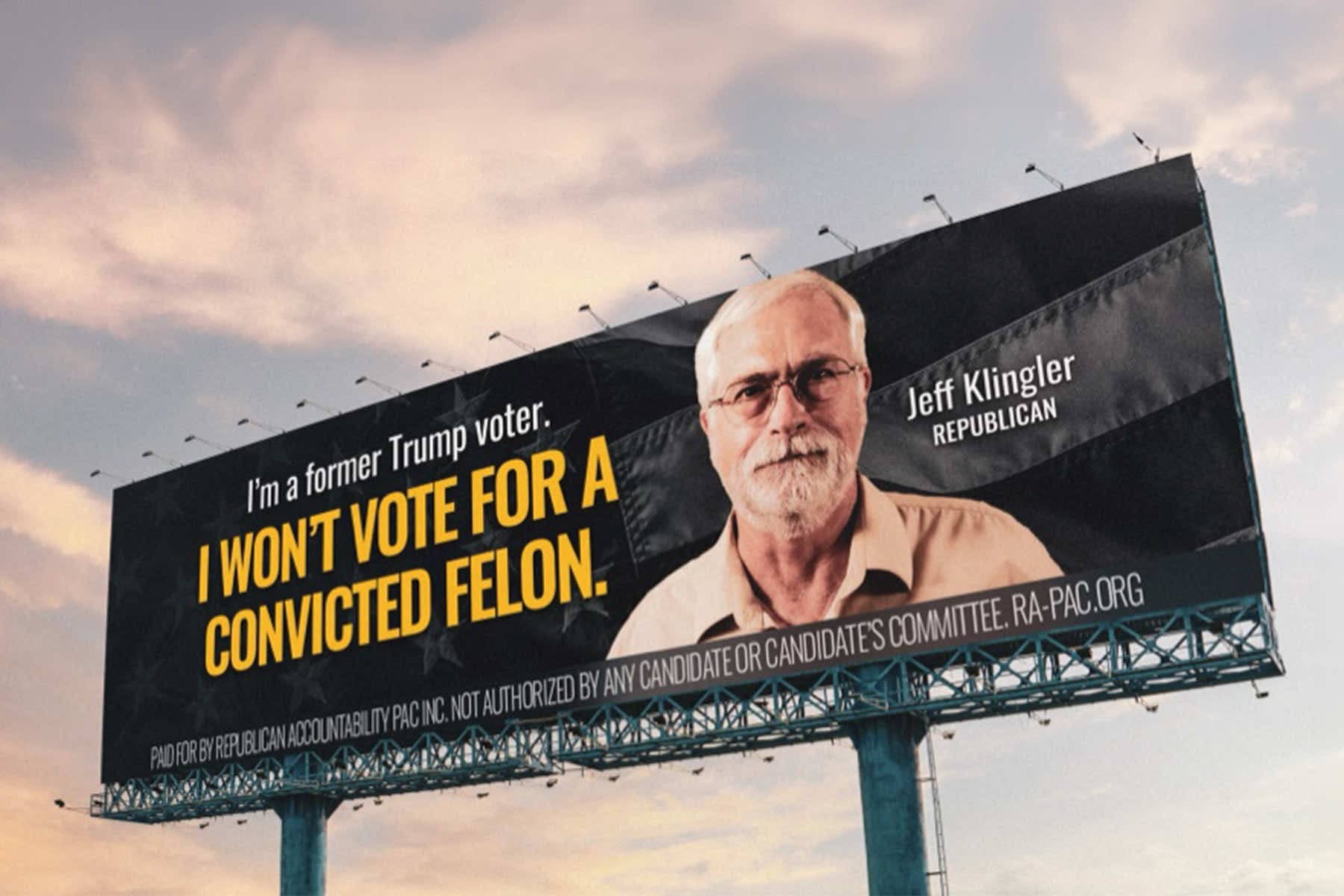
Scandal still matters in American politics, but not always enough to end a career or break a coalition. Donald Trump entered the 2024 race as the first former president convicted of felony crimes, yet he remained competitive, and a Reuters/Ipsos survey found that only 14% of Republicans said they would not vote for him after the guilty verdict, down from 24% before the trial. In New Jersey, Bob Menendez filed to run for reelection as an independent while facing corruption charges, a move that could have pulled votes from Democrats even as party leaders said Andy Kim was expected to inherit the seat.
That tolerance sits inside a political mood defined less by trust than by exhaustion and fear. Pew found that Americans were describing politics with words like “disgusting,” “divisive” and “dysfunctional,” while 63% said they were dissatisfied with the people running for president in 2024 and only 4% said the system was working extremely or very well. The same survey found that people on both sides, especially the most dug-in partisans, believed the other side winning would bring disastrous consequences, a dynamic that helps turn turnout into a form of defensive identity rather than a judgment about character.
That is the deeper change in the rules of forgiveness. A felony conviction that once might have ended a national campaign instead became one more piece of evidence for Republicans that Trump was being targeted unfairly, while Menendez’s corruption case still left room for a spoiler bid because some voters might stick with him anyway. The old standard, that scandal alone could disqualify a candidate, has weakened as partisans increasingly treat loyalty to their side as more important than personal conduct.

The result is an accountability system that is still real, but far less decisive than it used to be. As long as voters are angrier at the other party than they are at their own nominee, scandal becomes a test of tribe, not just a test of ethics, and the political cost of misconduct keeps shrinking.
This article was produced by Prism’s automated news system from verified source data, official records, and press releases, then run through automated quality and moderation checks before publishing. The system is built and supervised by the people who set the standards it runs under. Read our full AI policy.
Did this article answer your question?

