Voting rights legacy lives on as families warn of rollback
Families of civil-rights martyrs say Louisiana v. Callais and fast redraws of Black districts show the Voting Rights Act’s protections being cut away.
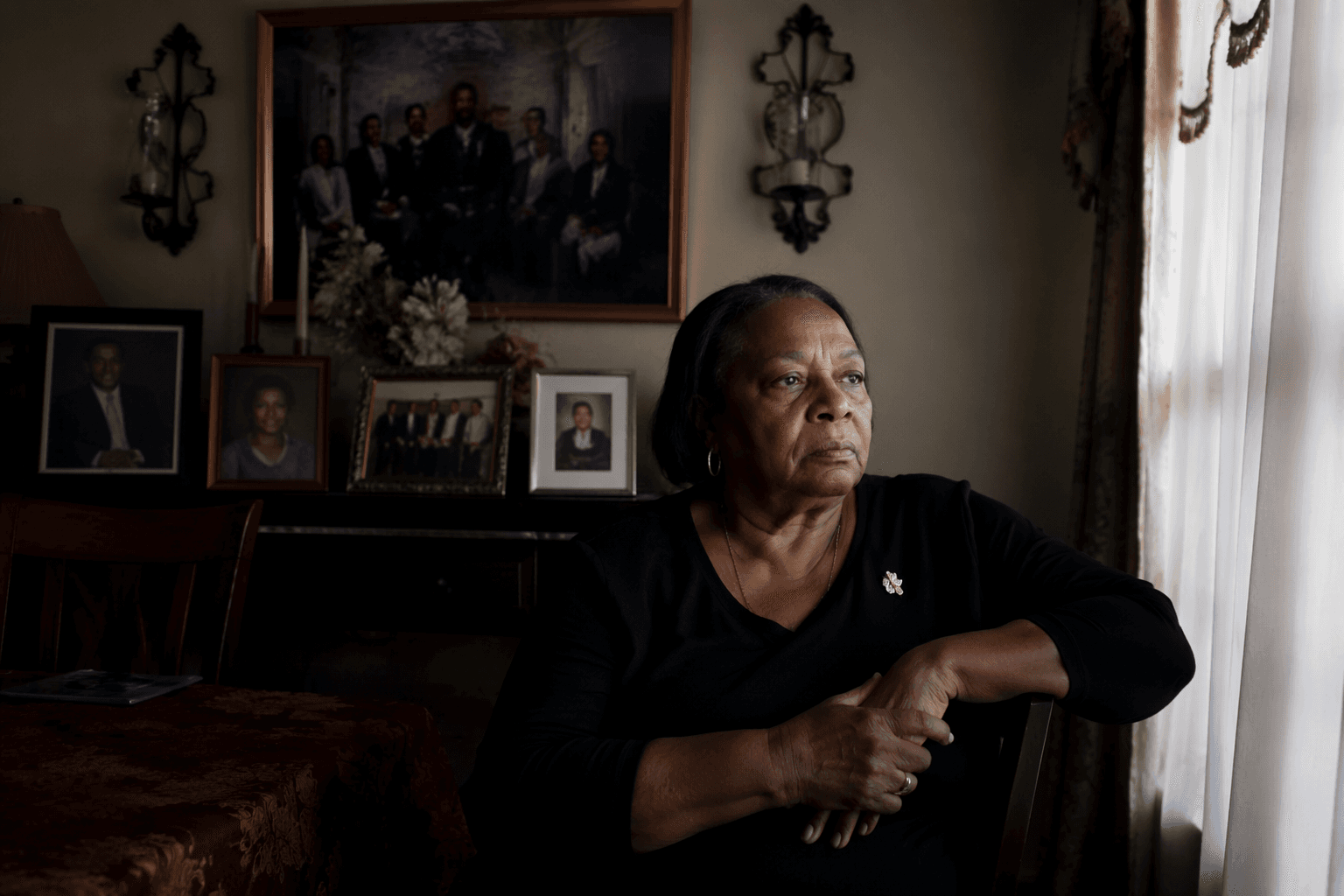
Lisa McNair and Anthony Liuzzo are carrying family grief into a new fight over voting maps, pointing to a country that honored civil-rights sacrifice for decades and now, they say, is moving backward. Six decades after the Voting Rights Act, the question before them is no longer memory alone but whether the law still shields minority voters from being carved out of political power.
McNair’s sister, Denise McNair, was one of four girls killed in the 16th Street Baptist Church bombing in Birmingham, Alabama, on September 15, 1963. Denise was 11. Addie Mae Collins, Carole Robertson and Cynthia Morris Wesley were 14. Nearly two dozen other people were injured. McNair herself was born on September 19, 1964, after the bombing that turned the church into a central organizing point for civil-rights protest.
Liuzzo’s mother, Viola Liuzzo, was killed in Alabama in 1965 while driving marchers after the Selma campaign. Her death became part of the same long civil-rights ledger that the Voting Rights Act was meant to answer. Now, Liuzzo says, that history is being treated as disposable. “His mother’s blood is on the bill,” he says, a line that captures how personal loss has become fused to a fight over ballot access and district lines.
The legal turning point came on April 29, 2026, when the Supreme Court decided Louisiana v. Callais by a 6-3 vote and left in place a lower-court ruling blocking Louisiana from using a congressional map that created a second majority-Black district. The case followed a 2022 decision in Robinson v. Ardoin, when a federal judge found Louisiana’s map likely violated Section 2 of the Voting Rights Act because it did not add another majority-Black district.
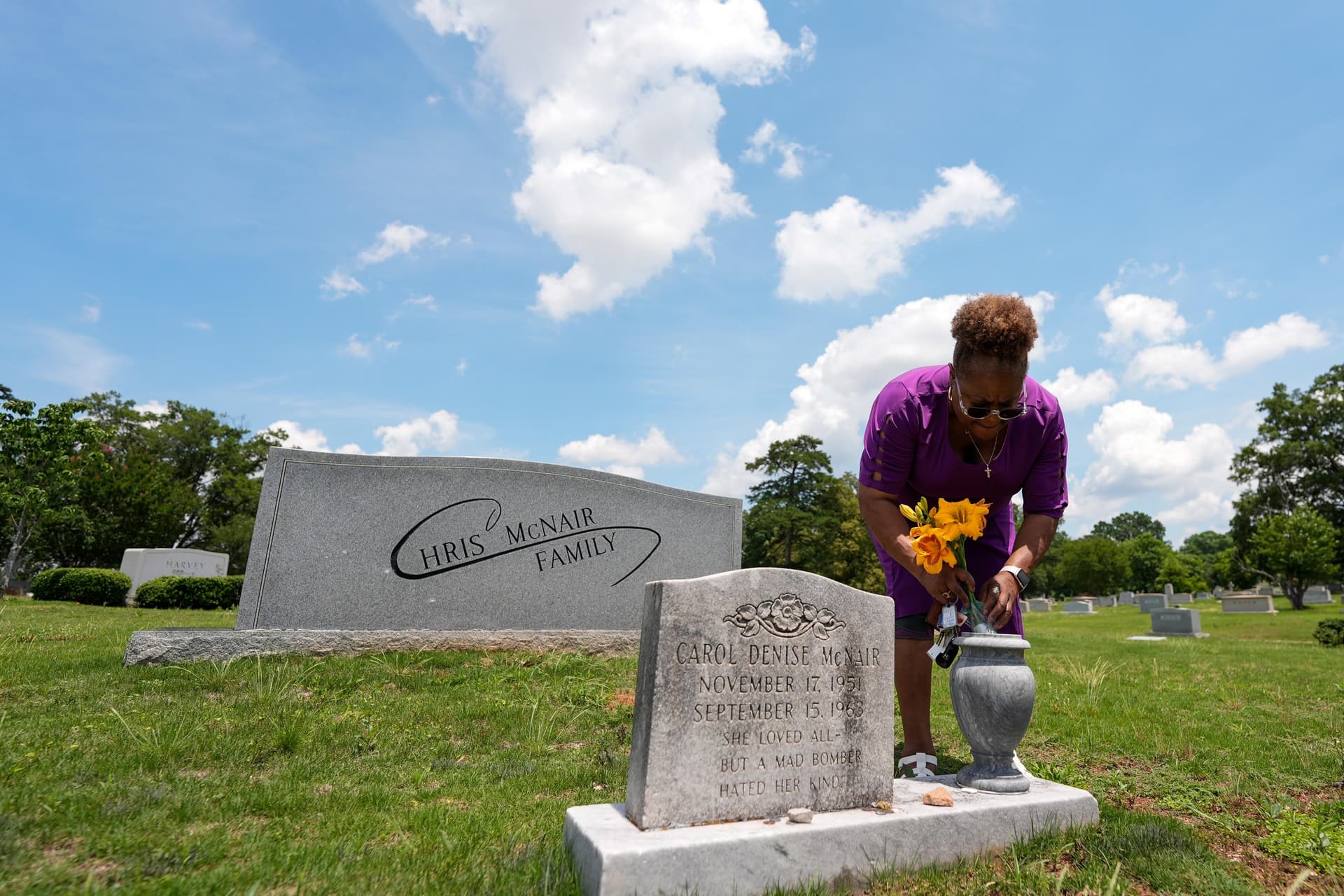
That ruling did not stay abstract for long. Republican-led state legislatures quickly eliminated majority-Black congressional districts after the court’s April decision, showing how fast a judicial shift can alter representation on the ground. The practical effect is immediate: lines can be redrawn, communities can lose a seat, and the political power secured through decades of litigation and protest can narrow again.

The Associated Press framed the survivors not as distant witnesses but as active advocates who remain committed to the struggle. Their message is rooted in the same places where the movement absorbed its losses, from Birmingham’s 16th Street Baptist Church to the roads of Selma, and in the warning that the fight over voting rights is once again being decided in courthouses and state capitols.
This article was produced by Prism’s automated news system from verified source data, official records, and press releases, then run through automated quality and moderation checks before publishing. The system is built and supervised by the people who set the standards it runs under. Read our full AI policy.
Did this article answer your question?

