Wake County Allocates More Than $331,500 From McKinsey Settlement for Prevention, Education
Wake County commissioners approved more than $331,500 from the McKinsey opioid settlement to fund prevention, education and early intervention, with an RFP to be issued by Behavioral Health.

The Wake County Board of Commissioners voted to appropriate more than $331,500 from the McKinsey & Co. portion of opioid litigation settlements at its March 3, 2026 meeting to support local prevention, education and early‑intervention programs aimed at reducing opioid misuse and overdoses. County officials said the Behavioral Health Department will administer the funds and will issue a competitive funding opportunity, with details to be posted on the county’s opioid webpage.
County leaders emphasized that the McKinsey funds are distinct from the county’s larger primary opioid settlement dollars, which are expected to provide more than $67 million over 18 years and are subject to stricter spending requirements. Wake County communications and local coverage noted that the McKinsey portion carries fewer restrictions, enabling “innovative, evidence‑informed strategies” and a wider range of prevention and education initiatives that might not fit the narrow framework applied to the primary settlement funds.
Planned uses outlined by county staff include public awareness campaigns, prevention initiatives, youth screening tools, training for health care providers, programs focused on building resilience and emotional coping skills, and other flexible early‑intervention projects. The Behavioral Health Department will release a request for proposals for community organizations and providers; one repost of county material directed applicants to the county’s opioid resources page for the forthcoming RFP, though no release date has been provided.
Vice Chair Safiyah Jackson framed the appropriation as part of recovery and support for behavioral health providers, saying, “By providing a clear path to recovery, we are empowering our neighbors to reclaim their personal agency and rebuild their lives.” In county repost language attributed to Jackson, she added a message to local behavioral health staff: “To the dedicated heroes on the front lines of behavioral health, these funds represent a renewed promise that you are not alone in this life‑saving work alone.”
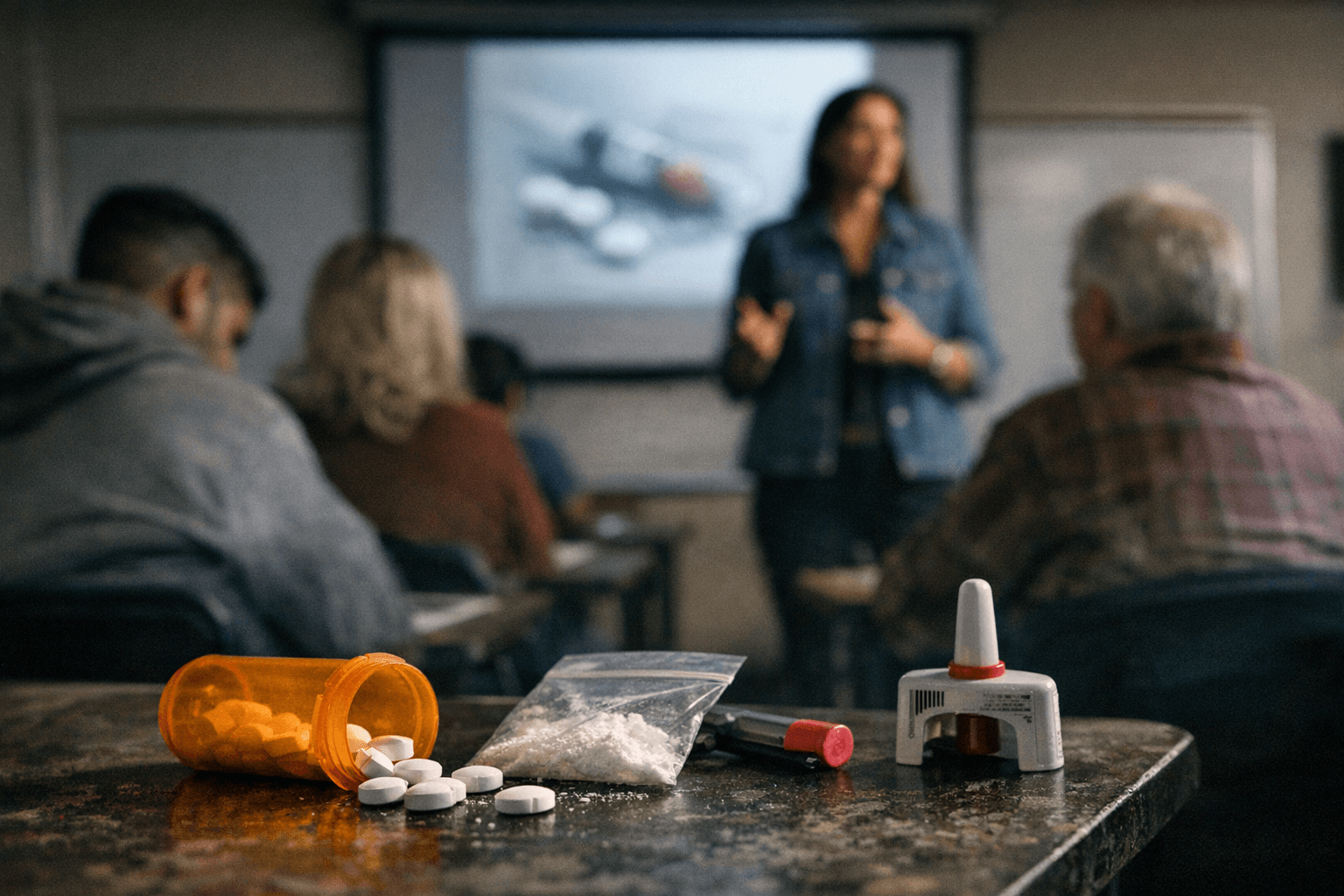
The appropriation comes amid continuing overdose impacts in Wake County. North Carolina Department of Health and Human Services data cited by county materials show that “1,974 people in Wake County died from overdoses between 2011 and 2024.” Officials also reported that “an estimated 158 residents died from overdoses in 2024, a 35 percent decline from the previous year,” while stressing that 2024 death levels remain higher than pre‑pandemic figures. A LinkedIn repost of the county announcement, from LEXGATEWAY, credited naloxone access, testing resources, treatment expansion and education as contributors to the recent decline.
At least one county release described the Board vote as unanimous; other accounts simply reported that the Board voted to appropriate the funds. The exact final dollar figure beyond “more than $331,500,” the roll call for the March 3 vote, and the RFP timeline, award sizes and eligibility criteria will be set when the Behavioral Health Department posts the competitive funding notice and when county meeting minutes and finance records are finalized.
Wake County officials said the RFP will be published soon on the county opioid webpage and that organizations proposing prevention and early‑intervention projects should watch that page for application instructions and deadlines.
Know something we missed? Have a correction or additional information?
Submit a Tip