Wake County cyclosporiasis cases rise to 270 amid North Carolina surge
Wake County’s cyclosporiasis count climbed to 270, with 5 hospitalizations as health officials keep tracing the source. North Carolina’s surge has spread beyond the county.

Wake County’s cyclosporiasis count climbed to 270 after more than 30 new diagnoses on Thursday, with county health officials listing five hospitalizations and no deaths. Wake County Government’s dashboard, last updated July 17, listed the figures as preliminary and subject to change as more information comes in.
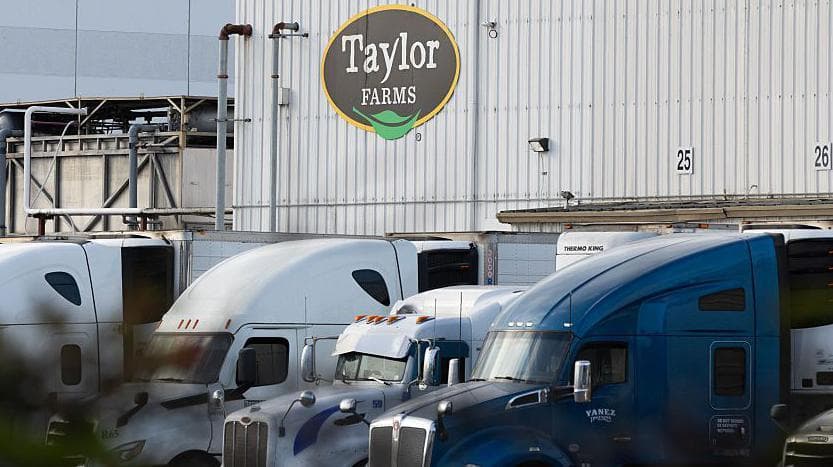
North Carolina is still seeing elevated cyclosporiasis cases. On July 17, the North Carolina Department of Health and Human Services listed the state’s cases as elevated, and mid-July figures put North Carolina above 300 cases with 13 hospitalizations. State officials have not linked the outbreak to the national Taco Bell and Taylor Farms lettuce investigation.

Cyclosporiasis is caused by Cyclospora cayetanensis, a microscopic parasite that spreads when someone eats or drinks something contaminated with feces. Symptoms usually begin about a week after exposure and can last for days to weeks if untreated. Common signs include watery diarrhea, loss of appetite, weight loss, stomach cramps, bloating, nausea and fatigue. Treatment is usually trimethoprim-sulfamethoxazole.
Health workers have been tracing interviews and tests to narrow down the source, but the exact path into the food supply has not been pinned down. People may not get sick right away, and contamination often happens before food reaches the kitchen. Washing produce can help remove dirt and surface debris, but it cannot guarantee safety if contaminated food entered the supply chain earlier.
Wake County has dealt with the parasite before. In 2024, officials tied an outbreak of more than 130 cases to at least three Wake County restaurants.
This article was produced by Prism’s automated news system from verified source data, official records, and press releases, then run through automated quality and moderation checks before publishing. The system is built and supervised by the people who set the standards it runs under. Read our full AI policy.
Did this article answer your question?