Wall Street futures edge higher as tech selloff and Middle East risks loom
Futures inched up after a tech-led selloff, but traders stayed cautious as Middle East tensions and Trump tariff plans threatened oil, prices and profits.
U.S. stock index futures edged higher Friday after a tech-led selloff, but the move was small enough to show how reluctant investors were to make a fresh bet. For households, that caution matters most in retirement accounts, borrowing costs and consumer prices, because the same forces unsettling Wall Street can feed into fuel costs, inflation and the outlook for corporate profits.
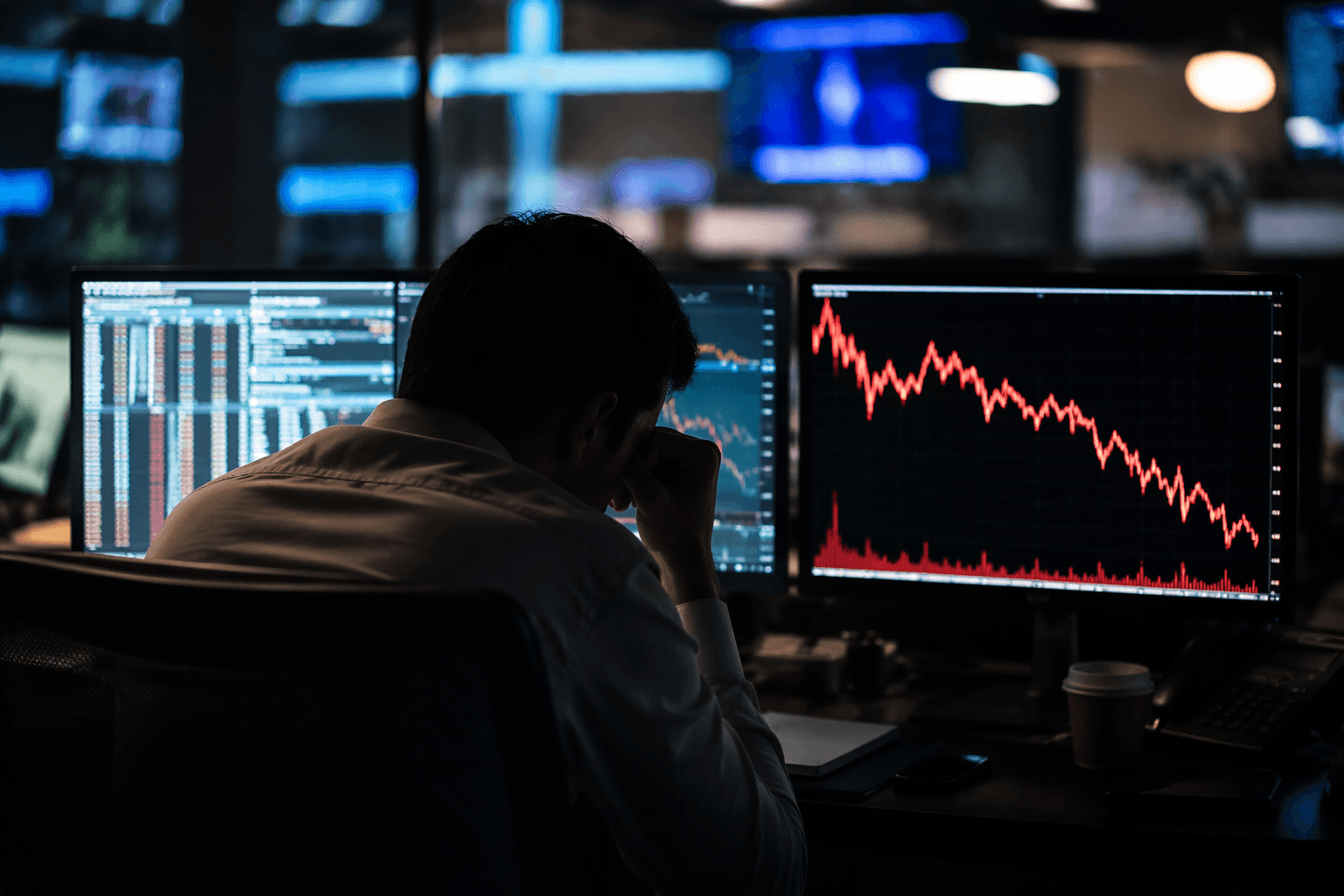
The latest pullback hit the market’s biggest technology names hard. The Magnificent Seven suffered their biggest one-day drop since the tariff-driven selloff in 2025, and Big Tech’s market value fell by about $800 billion, a sharp reminder that enthusiasm for artificial intelligence spending is now running into valuation checks. Results from major tech companies had already revived worries on July 23 that AI spending may not produce profits fast enough to justify the prices investors have paid.
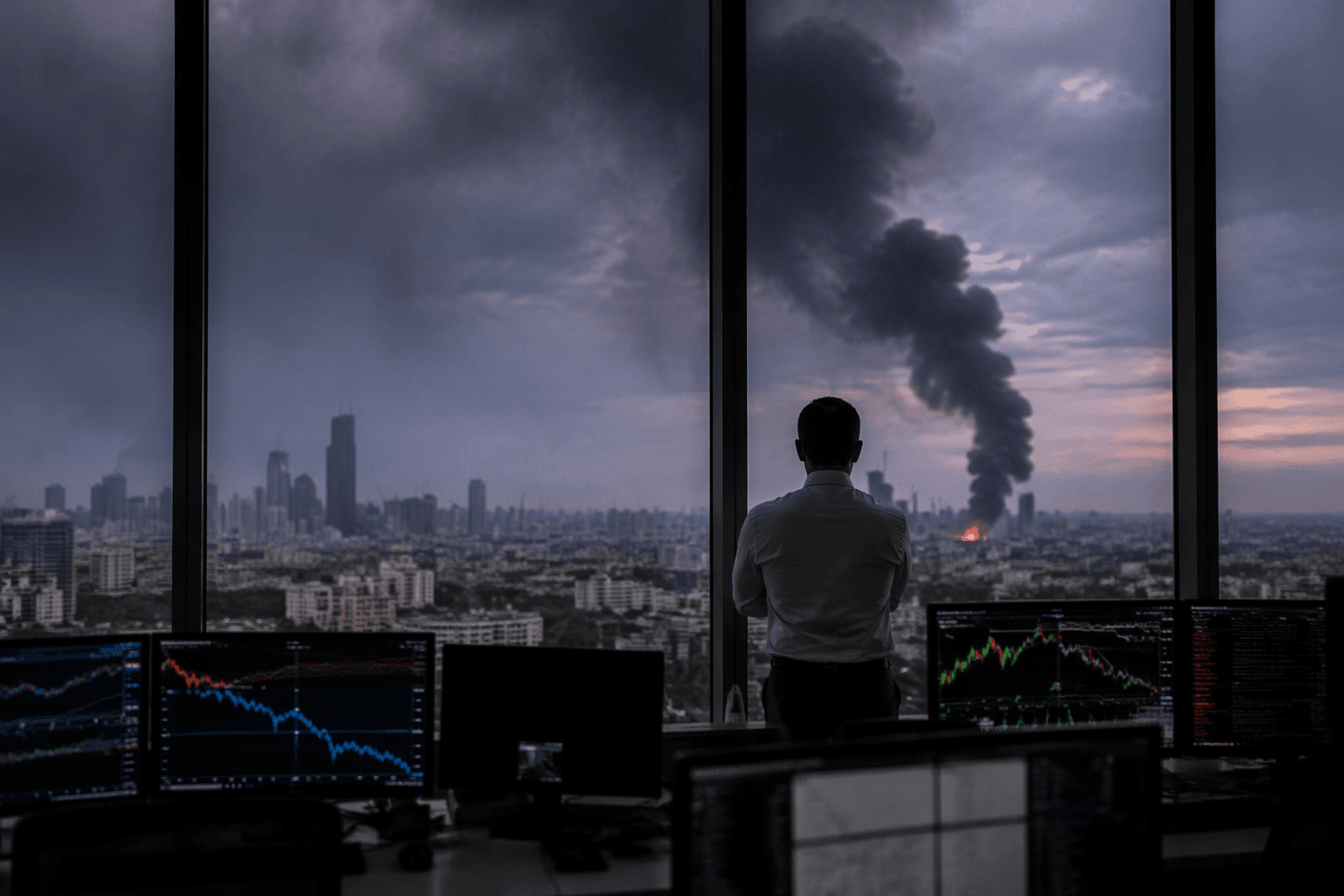
Middle East risk added a second layer of uncertainty. Traders were watching escalating tensions in the region and the possibility that oil prices could move higher again, with shipping routes through the Red Sea and Persian Gulf still a live concern for energy markets and supply chains. Oil had jumped in the previous session, reinforcing the link between geopolitical stress and the inflation outlook that guides bond yields, mortgage rates and credit costs.
Tariff headlines completed the picture. The Trump administration’s duties were set to range from 10% to 12.5% on imports from 60 economies, covering 99% of U.S. imports, a scope broad enough to affect manufacturers, retailers and exporters across the economy. That kind of policy uncertainty makes it harder for companies to plan pricing and investment, and harder for investors to judge which sectors can absorb higher costs without damaging earnings.
Fresh earnings added another reason for hesitation. After a rough session for technology shares and a jump in oil, futures traders were not chasing a broad rally so much as testing whether the selloff had gone far enough. The modest rebound suggested bargain-hunting, but it also showed how quickly the market can swing when big-tech valuations, Middle East tensions and tariff policy all move at once.
This article was produced by Prism’s automated news system from verified source data, official records, and press releases, then run through automated quality and moderation checks before publishing. The system is built and supervised by the people who set the standards it runs under. Read our full AI policy.
Did this article answer your question?