Wallowa‑Whitman National Forest completes noncommercial thinning on 1,600 acres; commercial projects planned
More than 1,600 acres of non‑commercial thinning finished in the Baker City Watershed; first commercial sale in Sept. 2025 will treat about 1,300 acres.
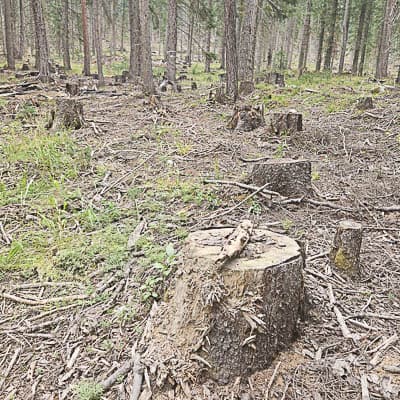
Wallowa‑Whitman National Forest reported on Feb. 12, 2026 that more than 1,600 acres of non‑commercial thinning have been completed in the Baker City Watershed, and managers expect an equal amount of work during calendar year 2026. The update also says two commercial thinning project areas were identified, with the first sold in September 2025 and slated to treat approximately 1,300 acres.
The work traces to a Decision Notice signed by Whitman District Ranger Jeremy Aujero on June 6, 2025 and described in a Forest Service press release dated June 11, 2025. That decision authorizes fuels reduction treatments across the roughly 22,787‑acre Baker City Watershed project area, which lies four air miles west of Baker City, Oregon, and includes actions to protect the Baker City Municipal Watershed and nearby private land from uncharacteristic wildfire.
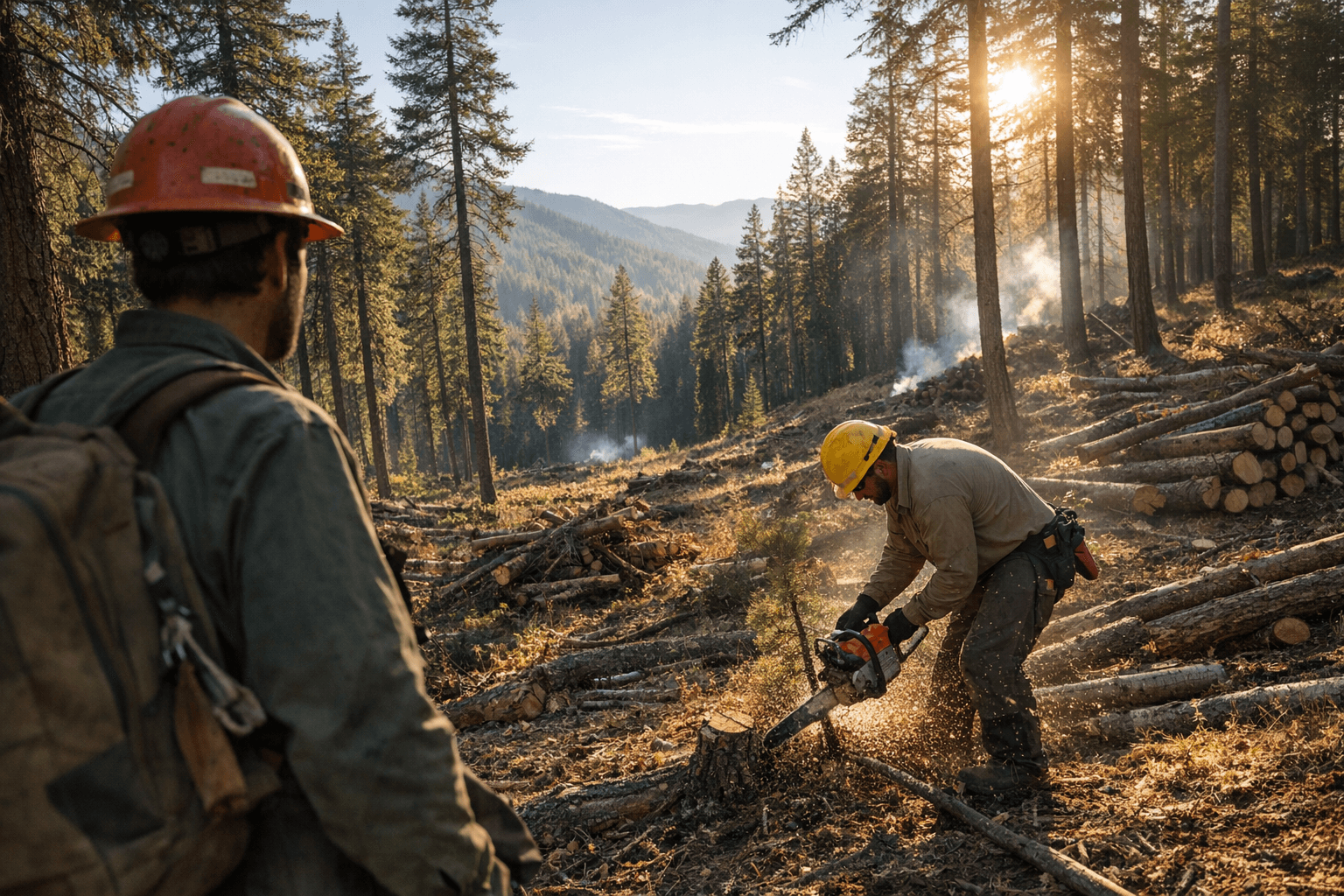
The Forest Service update emphasizes local economic effects, noting, “To date, more than 1,600 acres of non‑commercial thinning treatments have been completed within the watershed. These efforts have primarily been carried out by local contractors, providing jobs and economic stability for the Baker City community.” Local contractors performed the bulk of the non‑commercial work, according to the agency, supporting timber‑related employment in Baker City during the initial phases of treatment.
District staff are preparing follow‑on work to extend treatment zones. The Forest Service says Whitman District staff are analyzing and preparing prescribed burn treatment areas and fuel breaks that follow thinning operations, and in its Feb. 12 update noted, “Looking ahead, project leaders anticipate an equal amount of thinning work during the current calendar year, continuing to support local employment and strengthen the region’s wildfire resilience.” The update ties thinning and planned burns directly to reducing hazardous fuels in the watershed.
Ranger Jeremy Aujero framed the completed work as an early step toward reducing wildfire risk, saying, “I am pleased and thankful for the work that’s been accomplished. It’s easy to see if you take a drive up Old Auburn Road. Given the amount of rain and snow in the watershed, these treatments are a small but important step in reducing our wildfire risk.” The Forest Service materials also stress that the project is important in safeguarding drinking water for Baker City.
Commercial treatment work remains in development. The first commercial thinning area sold in September 2025 will treat about 1,300 acres; a second commercial area was identified in the project planning but the update did not provide acreage, sale date, purchaser names, or contract values for that unit. The Forest Service also did not publish unit maps or contractor names in the Feb. 12 update.
The Baker City project sits within the larger Blue Mountains restoration context. GovInfo materials note the Wallowa‑Whitman National Forest contains more than 2.4 million acres and is one of three Blue Mountains forests that together total about 5.5 million acres. BLM regional planning for the Blue Mountains has proposed large‑scale treatments across the landscape, including a proposed 280,000 acres on Wallowa‑Whitman, and earlier scoping work dating to 2016 produced 184 public comments and eight engagement sessions with more than 170 participants.
With roughly 1,600 acres completed and another similar tranche anticipated in 2026, the Baker City Watershed project is moving from planning into implementation, combining non‑commercial thinning, commercial sales, and later prescribed burns and fuel breaks to protect municipal water supplies and lower wildfire risk for Baker City and nearby private lands.
Know something we missed? Have a correction or additional information?
Submit a Tip