Warner says intelligence chiefs fear sharing secrets with Pulte
Warner said intelligence chiefs were “terrified of showing” Bill Pulte sensitive material as Democrats fought his rise to acting DNI. The clash came as Section 702 faced a critical deadline.

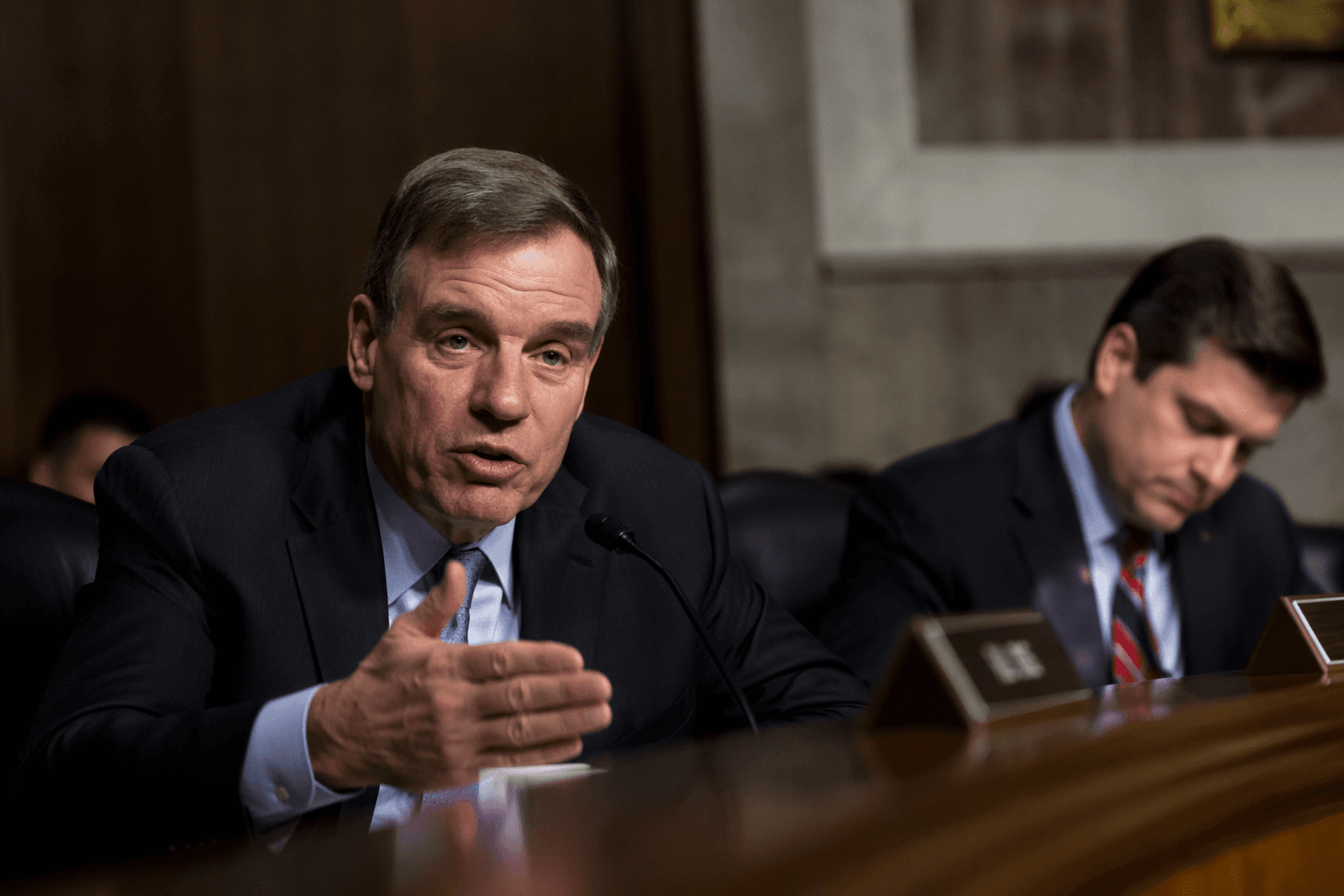
Sen. Mark Warner said senior intelligence officials had told him they were “terrified of showing” information to Bill Pulte, a blunt warning that turned a personnel fight into a broader test of trust inside the national security chain of command. The Virginia Democrat said the issue was not only who would sit atop the Office of the Director of National Intelligence, but whether classified material could move through the system without fear of misuse as Congress battled over a surveillance law that affects the intelligence community’s most sensitive work.
Warner, the lead Democrat on the Senate Intelligence Committee, said on Face the Nation with Margaret Brennan that President Trump’s choice for acting director of national intelligence raised alarms because the office was created after the September 11 attacks to coordinate intelligence across agencies. Warner argued the DNI should be an experienced national security professional and said Pulte had “no time in the military. No time in Congress. No time in the diplomatic corps. No time in law enforcement.” He said the appointment threatened the integrity and independence of the Intelligence Community and accused Pulte of weaponizing private information against Trump political opponents.
The White House defended Pulte as a “battle-tested reformer” with “deep experience,” while several Republicans, including Sens. Jim Banks and Marsha Blackburn, praised the move. Still, the choice unsettled both parties because it came with no clear explanation of how the transition from Tulsi Gabbard would work. Trump had originally planned for Principal Deputy DNI Aaron Lukas to take over after Gabbard left, but after he announced Pulte would assume the acting role, the White House did not clearly spell out the timing. Gabbard said in May that she would resign effective June 30 to support her husband, Abraham Williams, after his diagnosis with a rare form of bone cancer.
The fight over Pulte has unfolded as Congress confronted Section 702 of the Foreign Intelligence Surveillance Act, a warrantless surveillance authority used to collect communications of non-U.S. persons abroad without individualized court approval. The law was last reauthorized on April 20, 2024, under the Reforming Intelligence and Securing America Act, and was already scheduled to sunset on April 20, 2026. Lawmakers passed a short extension to June 12, 2026, but on June 11 the House rejected another punt by a 218-198 vote and Senate Democrats blocked additional temporary extensions, putting Section 702 on track for its first lapse since 2008.
That timing sharpened the institutional stakes. Section 702 can incidentally capture Americans’ communications, which is why lawmakers have long pressed for stronger safeguards and oversight. Sen. John Thune said the country did not need a “weaponized DNI,” while Senate Minority Leader Chuck Schumer called Pulte “a partisan thug with no experience in intelligence.” The dispute now centers on whether the government is protecting classified information and decision-making at the top, or exposing both to politics.
This article was produced by Prism’s automated news system from verified source data, official records, and press releases, then run through automated quality and moderation checks before publishing. The system is built and supervised by the people who set the standards it runs under. Read our full AI policy.
Did this article answer your question?