Warren Demands Nvidia CEO Testify After White House Clears H200 Sales
Senator Elizabeth Warren called for hearings after the White House signaled it would permit some exports of Nvidia’s H200 artificial intelligence chip to China, pressing for answers amid a same day Justice Department enforcement action. The clash raises urgent national security and oversight questions about how export policy and criminal enforcement are being reconciled, and which Chinese end users might gain access to advanced U.S. AI hardware.
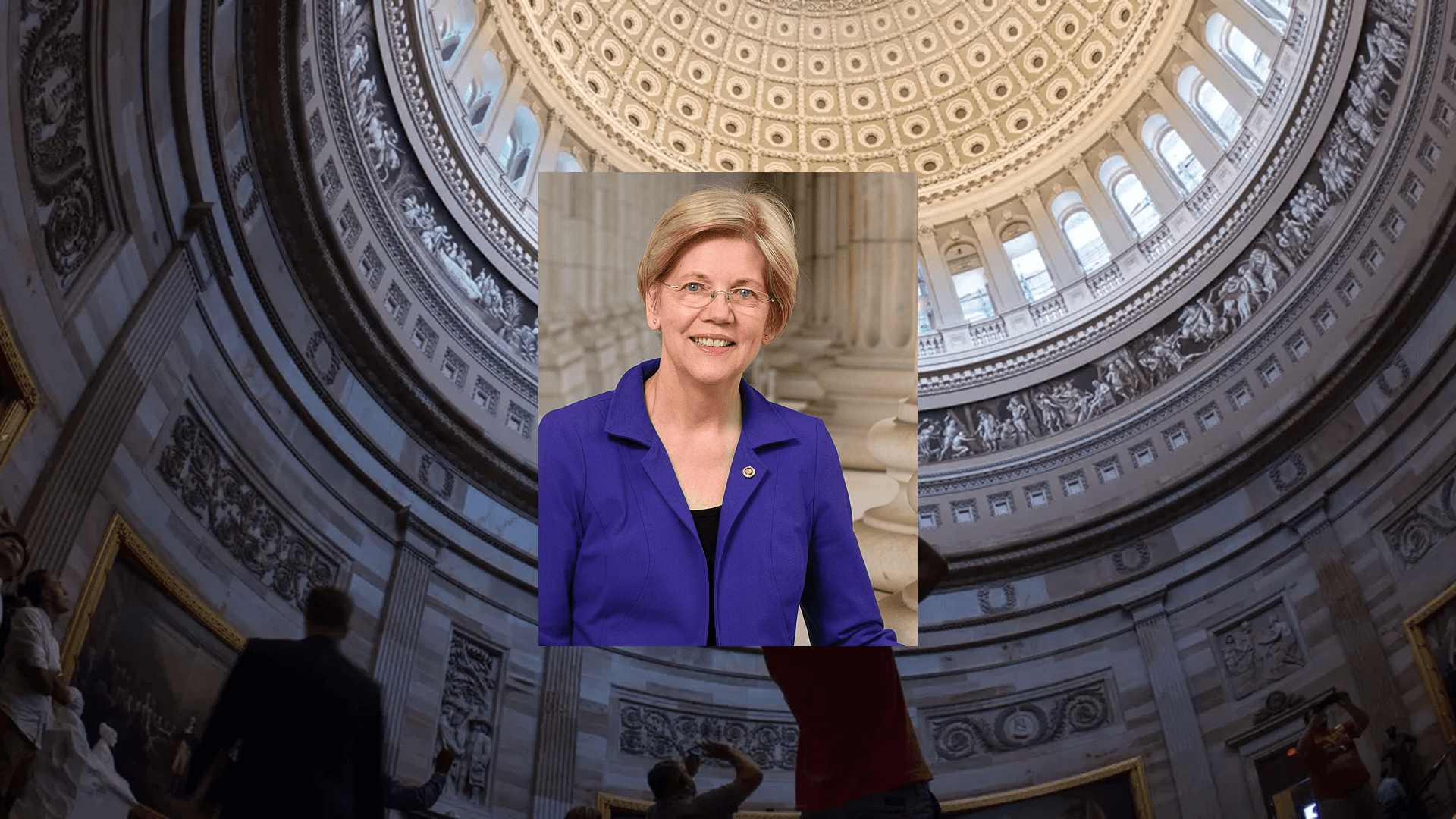
Senator Elizabeth Warren on December 11 pressed Congress to summon Nvidia chief executive Jensen Huang and a Commerce Department official named in multiple reports as Secretary Howard Lutnick to explain a contentious policy shift that would allow some exports of Nvidia’s H200 AI accelerator to China. Warren made the demand on the Senate floor the same day the Justice Department announced a crackdown on an alleged smuggling operation that U.S. officials say involved shipments of H200 chips to China, setting up a sharp contrast between executive branch policy and enforcement actions.
Warren framed the White House decision as a potential surrender of sensitive U.S. security interests and questioned whether the administration’s move undermined the Justice Department’s work. On the Senate floor she asked, “Will Donald Trump muzzle his own Justice Department because he does not want Americans to know that he is selling out our national security?” She urged Huang and Lutnick to appear before congressional committees to explain the administration’s rationale and address the apparent contradiction between permission to export and contemporaneous criminal enforcement.
Multiple news outlets reported that President Donald Trump planned to greenlight sales of Nvidia’s H200, described in coverage as the company’s second most advanced AI accelerator and a high performance chip used in data center AI workloads. Those reports said the policy would permit exports to some Chinese entities, though they did not list which firms or categories of end users would be eligible under the new guidance. The reporting cited by congressional advocates and news organizations left key details unanswered, including the exact licensing changes and the criteria used to determine permitted recipients.
The Justice Department announcement on the same day described a crackdown on a smuggling operation that allegedly involved shipments of H200 chips to China. Reporting around the enforcement action did not include detailed charging documents or identify the jurisdictions or individuals formally charged, and it did not reconcile how criminal investigations and prosecutions would be affected by a shift in export policy.

The convergence of policy and enforcement has immediate implications for U.S. technology strategy, for companies that design and sell advanced semiconductors, and for national security officials who have long restricted exports of high end computing gear on the grounds that it could accelerate foreign military or intelligence capabilities. Nvidia is a dominant supplier of AI accelerators to cloud providers and commercial customers worldwide, and any change in U.S. policy that expands access to its most capable chips would reshape competitive dynamics in the rapidly evolving AI market.
Warren’s call for testimony underscores a broader demand for transparency about who will be allowed to receive H200 chips and what safeguards, if any, will be required to prevent diversion to military or other sensitive programs. At the time of her remarks there was no immediate response from Nvidia, the Commerce Department, the Justice Department, or the White House to the request for hearings. Reporters also noted that news coverage did not specify which Chinese entities would qualify under the new policy or whether formal charges had been filed in connection with the DOJ enforcement action. Congress and industry now face pressing questions about how to balance commercial interests with national security and law enforcement priorities.
This article was produced by Prism’s automated news system from verified source data, official records, and press releases, then run through automated quality and moderation checks before publishing. The system is built and supervised by the people who set the standards it runs under. Read our full AI policy.
Did this article answer your question?