Washington chemical tank rupture leaves 11 dead, recovery delayed
A 500,000-gallon tank rupture in Longview left 11 dead, while Trump’s shifting Iran messaging exposed the strain between reassurance and uncertainty.

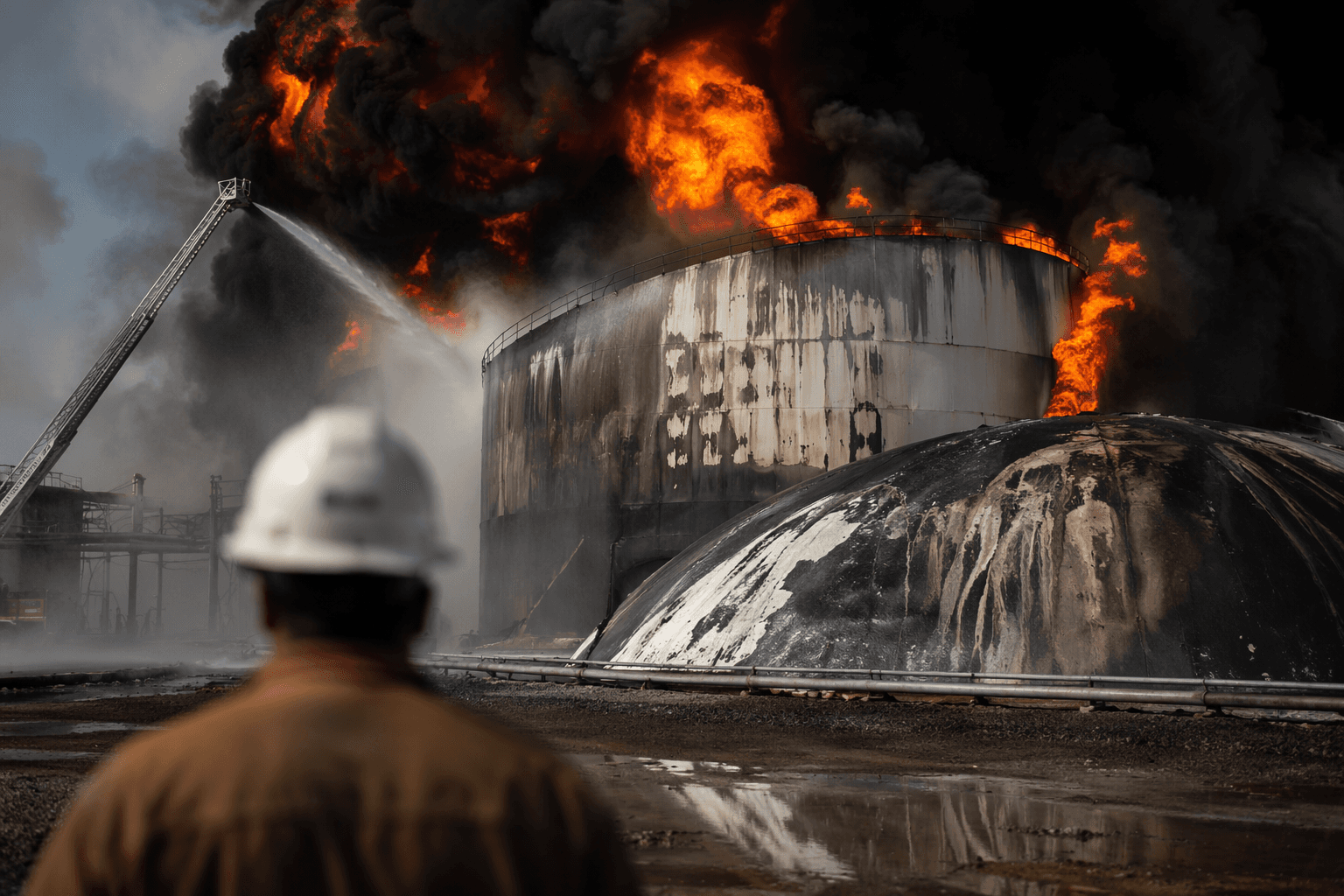
A ruptured tank at Nippon Dynawave Packaging Co. in Longview, Washington, spilled more than 500,000 gallons of white liquor on Tuesday morning, May 26, 2026, and left officials believing 11 people were dead as recovery crews waited for the site to be stabilized. The blast zone remained too dangerous for a full search, with nine workers still missing and a second person confirmed dead from injuries.
Longview Mayor Erik Halvorson said the community had entered a period of “profound tragedy and deep mourning.” Cowlitz 2 Fire & Rescue Chief Scott Goldstein said the scene remained hazardous for responders, and Washington Gov. Bob Ferguson said members of the Washington National Guard would help with search-and-recovery operations and air-quality monitoring. Authorities said the rupture did not pose a direct threat to the public and that Longview’s air and drinking water were not believed to be affected, though some contamination reached the Columbia River. The U.S. Environmental Protection Agency said no effects on the river had been observed, and local officials told residents to stay away from ditches and dikes near the mill.
The disaster is now being counted among the deadliest U.S. workplace accidents in recent years if the deaths are confirmed, putting it alongside the West, Texas fertilizer explosion, the Deepwater Horizon explosion and the Upper Big Branch mine disaster. For a river town built around industrial work, the rupture has become a test of whether public reassurances can keep pace with a scene still defined by instability, missing workers and a chemical release large enough to force a delayed recovery.
That same tension, between official confidence and public uncertainty, has also marked President Donald Trump’s Iran messaging. After earlier describing a peace deal as “largely negotiated,” Trump said negotiators should not “rush into a deal” and added that “time is on our side.” He also said he did not feel political pressure from the November midterms.
Talks have reportedly advanced on broad terms that could include disposing of highly enriched uranium, reopening the Strait of Hormuz and unfreezing some Iranian assets held abroad. Iranian officials have pushed back, saying no final agreement was imminent and accusing Washington of changing its position. The stakes are far beyond diplomacy alone: the talks could affect the regional war, global oil flows through the Strait of Hormuz and the fate of sanctions and frozen Iranian funds.
In Longview and in the Iran negotiations, the public has been asked to absorb uncertainty while institutions try to project control. The hard part is not just managing danger, but earning trust fast enough to make reassurance credible.
This article was produced by Prism’s automated news system from verified source data, official records, and press releases, then run through automated quality and moderation checks before publishing. The system is built and supervised by the people who set the standards it runs under. Read our full AI policy.
Did this article answer your question?