Waste firms back vape deposit scheme to boost recycling
Waste firms say a refundable deposit could pull more vapes out of bins, but the ban has already cut single-use use only part of the way.
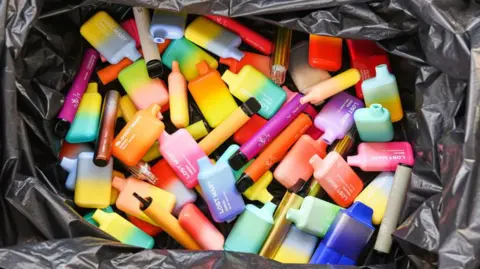
A refundable deposit on vapes could lift recycling, waste companies say, but the policy question is whether it would change habits or simply add another upfront charge to a system still struggling with lithium-ion batteries, litter and fire risk.
The industry case is straightforward: if a customer pays a small deposit when buying a vape and gets it back on return, more devices should come back for proper recycling. Supporters call it a “simple, fair, efficient and cost-neutral solution”, and point to the UK’s planned drinks-container deposit return scheme in England and Northern Ireland, which was legislated for in January 2025 and is due to begin in October 2027.
The pressure for action has been building for years. Defra said in January 2024 that disposable vape litter had doubled over the previous two years, more than 16% of surveyed sites were blighted by the devices, and an estimated 260 million were thrown away in the UK every year. Waste officials and campaigners have argued that the problem is not just littering but electrical waste, because the devices contain batteries that should not go into general rubbish.
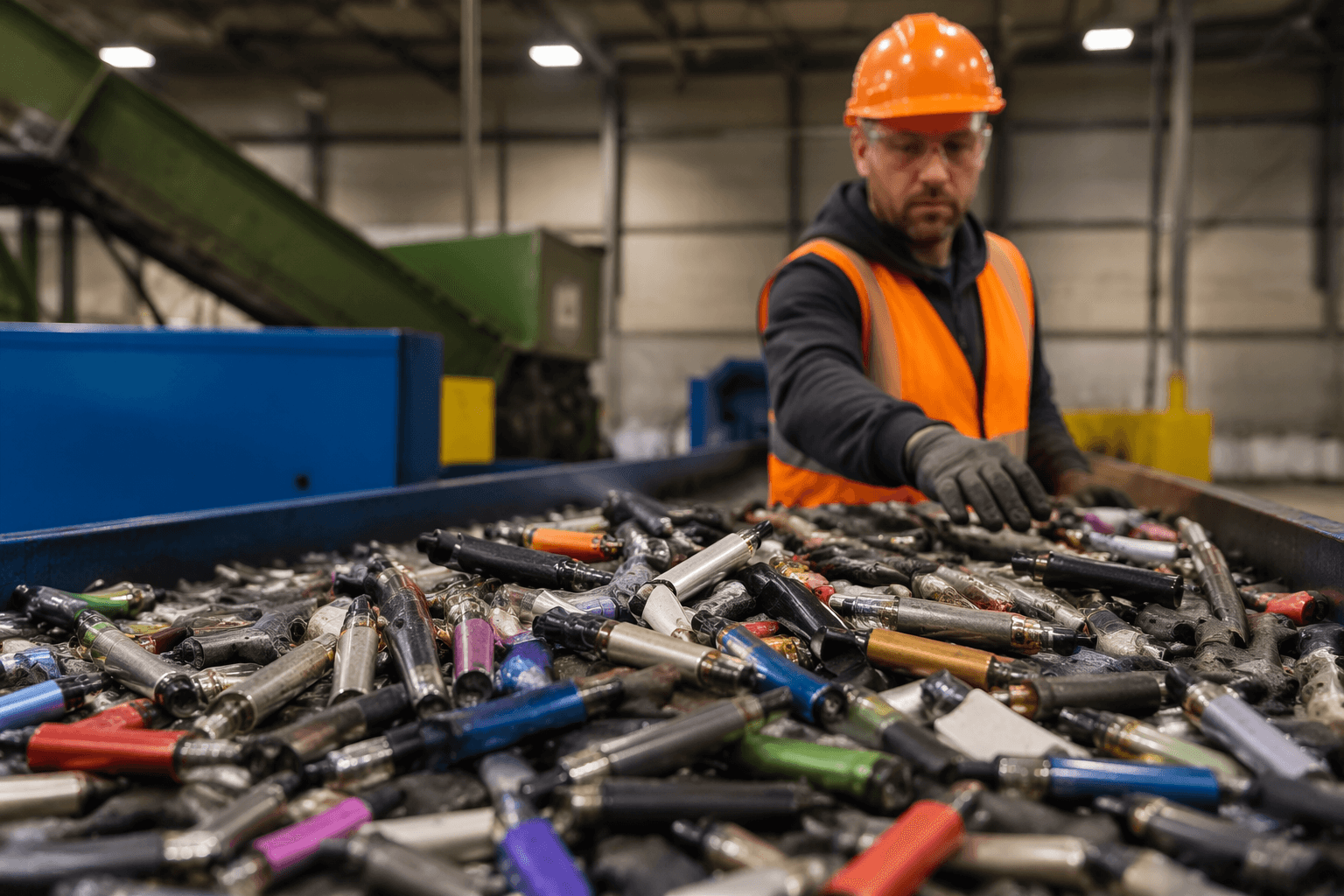
That concern did not disappear when single-use vapes were banned across the UK on 1 June 2025. Government guidance on the ban said Action on Smoking and Health data showed the share of vapers in Great Britain who mainly used single-use devices fell from 30% in 2024 to 24% in 2025. Among 18-24-year-old vapers, the figure dropped from 52% to 40%. Even so, officials and the waste sector say large numbers are still being discarded, and councils still warn about bin lorry and waste-facility fires linked to lithium-ion batteries.
Material Focus has argued that vape e-waste is part of the wider electrical waste problem and that anything with a battery should be recycled, not binned. Its briefing says laws requiring producers and retailers to finance and support collection and recycling of electrical and portable battery products have existed for 15 years, underlining the gap between legal duties and what reaches collection points.
Greater Manchester has already moved in favour of tougher intervention. The Greater Manchester Combined Authority’s Waste and Recycling Committee supported a deposit return scheme to capture vapes still in circulation, while the Local Government Association has previously backed a ban on disposable vapes. The split now is over whether a deposit would deliver real returns, or whether tighter enforcement of the ban and clearer legal definitions are needed to keep the cost of failure off councils and taxpayers.
This article was produced by Prism’s automated news system from verified source data, official records, and press releases, then run through automated quality and moderation checks before publishing. The system is built and supervised by the people who set the standards it runs under. Read our full AI policy.
Did this article answer your question?

