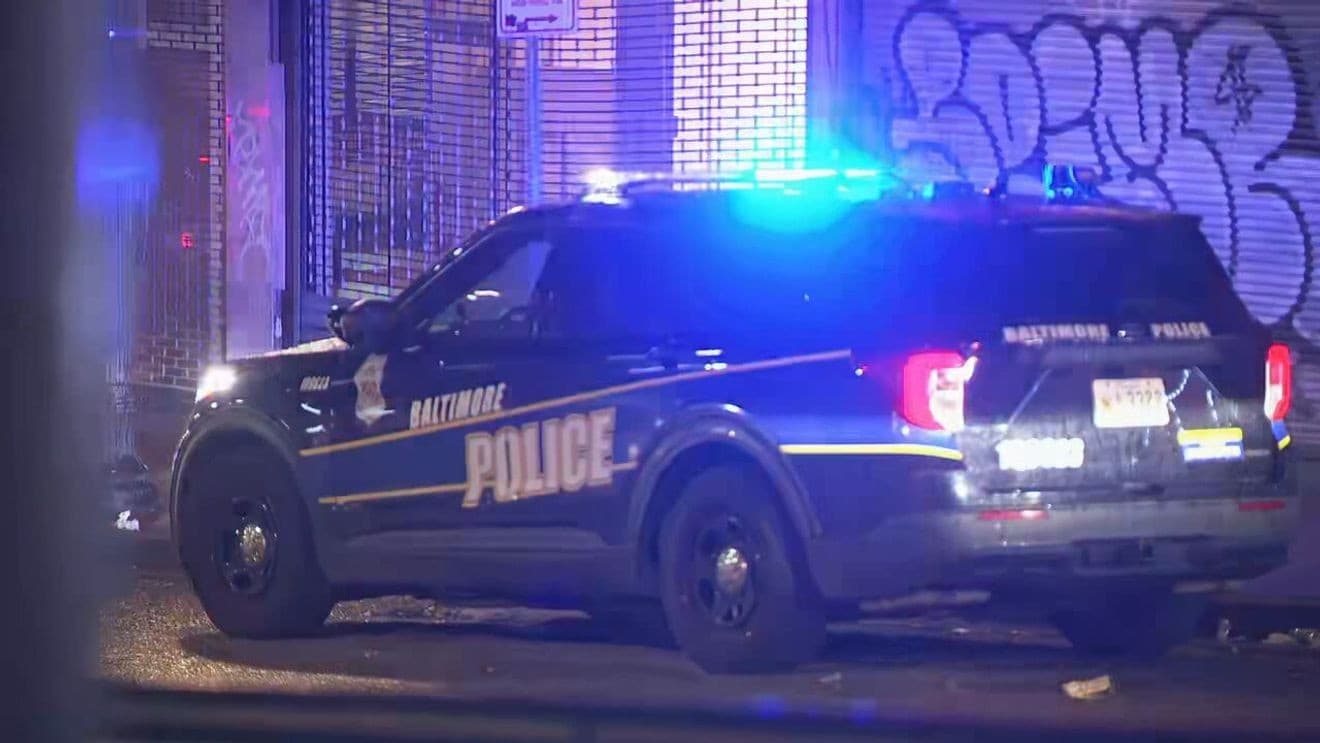
Waymo Pushes Annapolis to Allow Driverless Ride-Hailing Service in Baltimore
Waymo rolled a fully equipped driverless Jaguar onto the State House lawn and told Annapolis it has logged 127 million autonomous miles with 90% fewer serious injuries than human drivers.
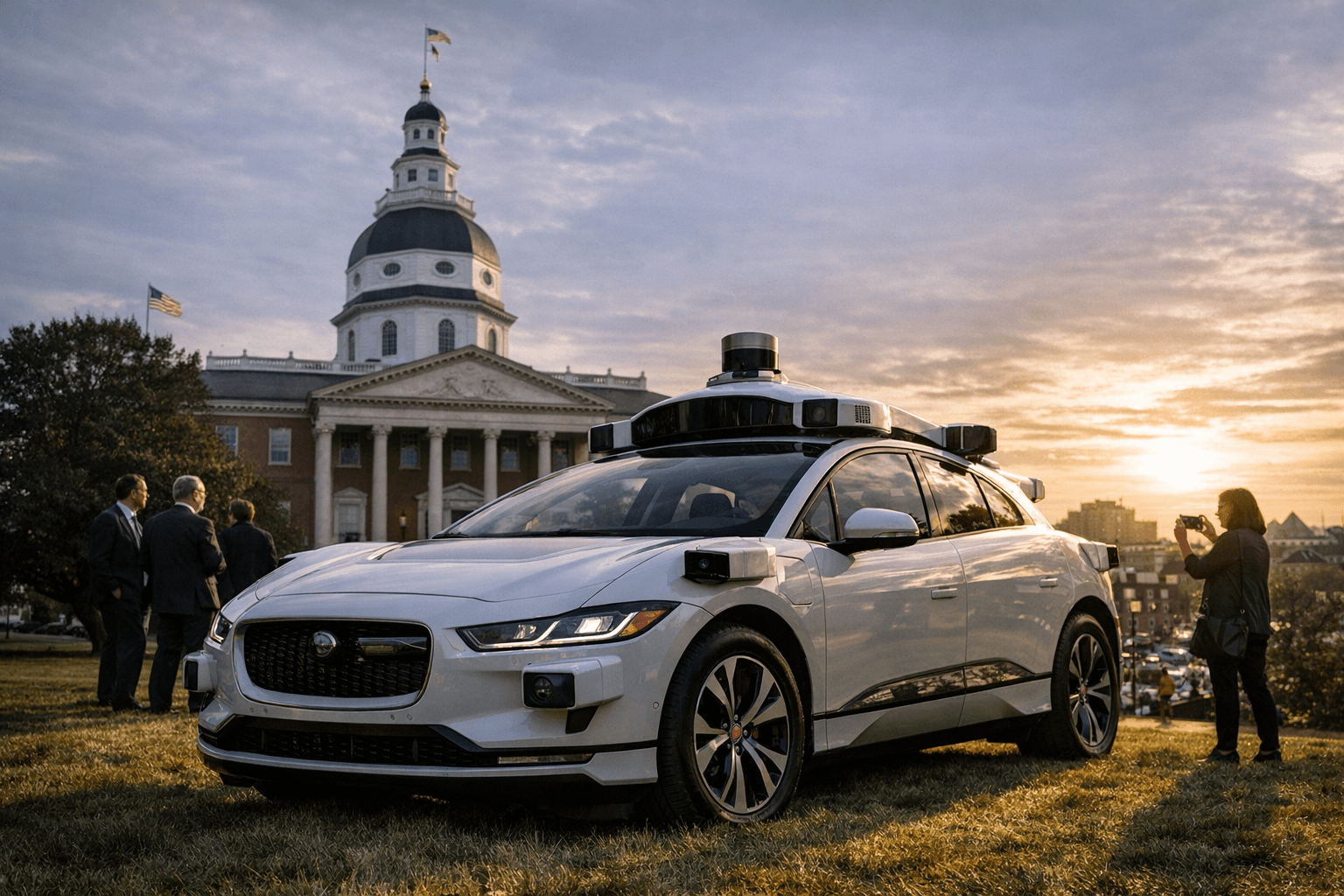
Waymo brought a fully equipped driverless Jaguar to the Maryland State House in Annapolis and pressed lawmakers in early March 2026 to pass SB 909 and companion HB 1295 so its hails-from-an-app vehicles can operate in Baltimore. Company witnesses told the Judicial Proceedings Committee Waymo already has about a dozen cars in Baltimore being driven by professional drivers to map city streets ahead of any public launch.
Senator Sara Love (D–Montgomery County) is identified as the sponsor of SB 909 and Delegate Natalie Ziegler (D–Howard and Montgomery) sponsors HB 1295, the bills that would change Maryland law to permit fully driverless operation if vehicles meet specified technical standards and specifications. Committee members asked detailed technical questions during hearings at the State House but, according to testimony, offered little outright opposition as deliberations continue.
Waymo spokesperson Ethan Teicher told lawmakers how riders would use the system. "All you need to do is use the Waymo app. You can hail a vehicle just like any other rideshare service. The only big difference is that you're all alone by yourself. It's your private space, and it's the same driver, so to speak, every time." Teicher also described a phased rollout: "We always start in a focused area and then expand over time again. This is a slow process, slow transition but as soon as people get access they love it." He said Waymo needs the state's permission before beginning the methodical process of public operation.
Waymo executives presented safety data to bolster the case for authorization. Anthony Perez testified, "Based on 127 million fully autonomous miles, the data shows Waymo vehicles are involved in 90% fewer serious injury or worse crashes, and 92% fewer injury crashes involving pedestrians compared to human drivers where we operate." Company witnesses said the system relies on a sophisticated suite of sensors and that pre-deployment mapping with professional drivers is standard practice.
Not all testimony was favorable. Thomas Doyle, state program director for the International Brotherhood of Teamsters, insisted drivers be treated as stakeholders during the bill review. "These Teamsters, and all professional drivers are relevant stakeholders whose concerns need to be heard when we are examining this bill." Doyle also warned about so-called fleet technicians who could intervene remotely without being licensed Maryland drivers. Baltimore resident Spencer Brown described personal unease and economic worry. "I am not quick to embrace it at this point... I know it is taking a lot of jobs away from people that are trying to make an extra buck," Brown said.
Advocates countered with safety and accessibility arguments. John Seng, founder and chair of Safe Roads Maryland, told legislators Waymos remove the human risks of driving because they cannot "drive inebriated, chew edibles, drive distracted or speed." Ronza Othman urged lawmakers to consider mobility for people with disabilities, calling autonomous vehicles a "true game changer for people with disabilities" and a path to rides without discrimination.
The bills remain under consideration in the Judicial Proceedings Committee; if passed, Maryland would join roughly two dozen states that have cleared a regulatory path for autonomous vehicles. Lawmakers face technical choices about licensing, the role of fleet technicians, and the specific performance standards that would trigger legal operation on Baltimore streets, while Waymo continues pre-deployment mapping and public advocacy in Annapolis.
Know something we missed? Have a correction or additional information?
Submit a Tip