Weah backs $50 World Cup tickets as politics looms over U.S. team
Timothy Weah backed 1,000 $50 World Cup tickets for New Yorkers, as debate over politics, access and national identity swirled around the host team.

Timothy Weah used a Harlem stage to turn a ticket announcement into something bigger than a sales pitch. Standing with New York City Mayor Zohran Mamdani in Little Senegal, he backed a plan to reserve 1,000 World Cup tickets at $50 each for city residents, with free round-trip bus transportation to MetLife Stadium in East Rutherford, New Jersey.
City officials said the seats were the cheapest available for the tournament. They said the tickets would be non-transferable, distributed only after residency verification, and handed directly to fans as they boarded the bus on game day. It was a modest slice of the inventory for a venue that will offer 696,000 tickets overall, but it fit the politics of the moment. Hosting the 2026 World Cup has turned the national team into more than a sporting symbol. It has made access, affordability and civic identity part of the conversation around the U.S. men’s team.
MetLife Stadium will host eight matches, including five group-stage games, two knockout-round matches and the final on July 19, 2026. FIFA has said the tournament will be the first 48-team men’s World Cup, and nearly two million tickets were sold in the first two general-public sales phases. Against that backdrop, the New York rollout in Little Senegal was aimed at the city’s West African soccer community and at fans who may otherwise be priced out of the biggest event in North American soccer.
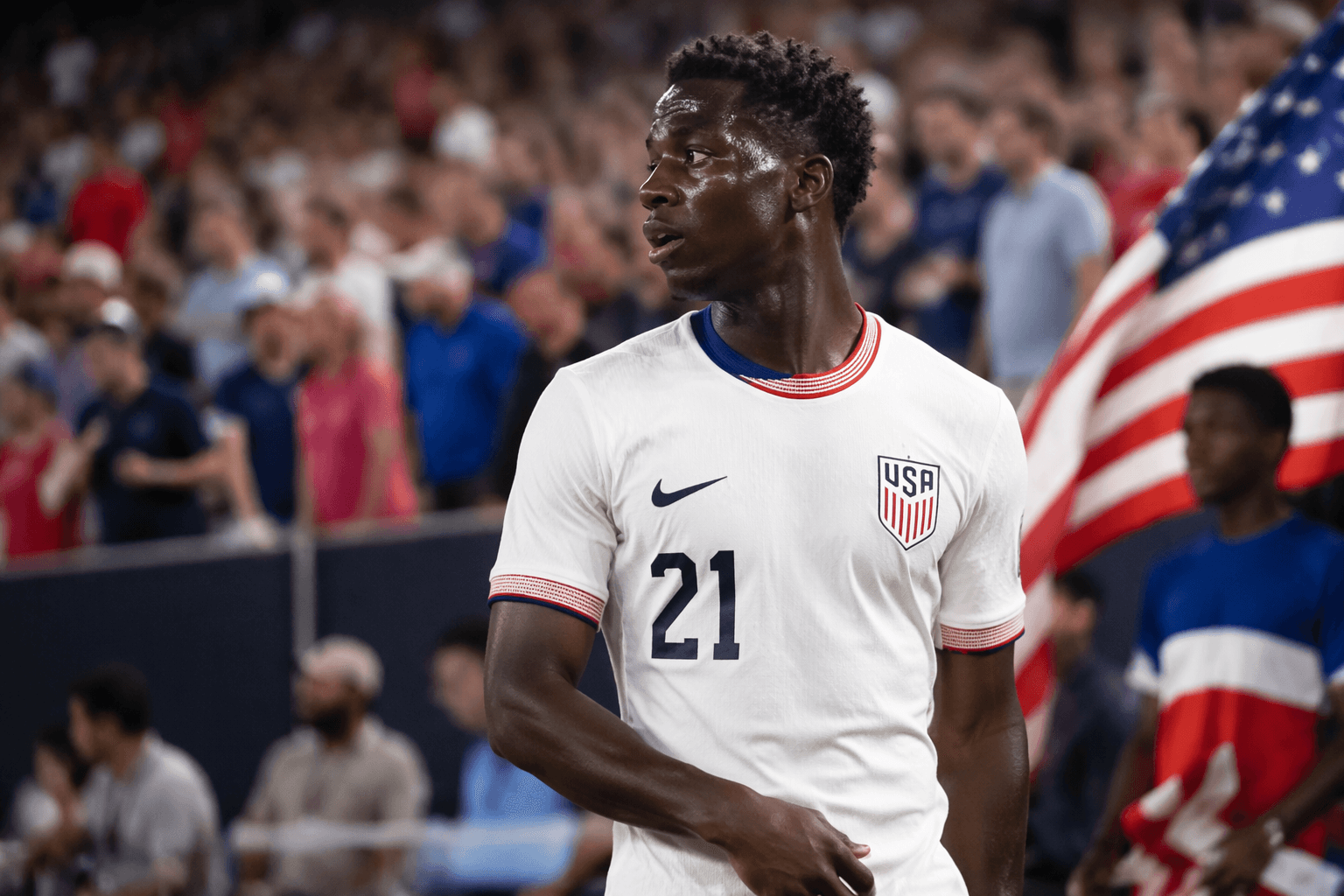
Weah, who grew up in New York before moving to France as a teenager, cast the issue as one of responsibility. He argued that athletes should speak up when something affects their communities and that players are leaders, not just performers. His message landed squarely in a broader debate over whether modern athletes should remain neutral or use their platforms to press for change.
That tension has already surfaced inside the U.S. camp. In March 2025, U.S. men’s coach Mauricio Pochettino said it was a “big mistake” for the team to talk politics before a Nations League match. He said he was not an expert on politics and that his focus was soccer. The contrast with the U.S. women’s team is sharp. In 2019, Donald Trump publicly criticized Megan Rapinoe after she said she would not go to the White House, and the team later received a private White House invitation after winning the World Cup.
With the final coming to MetLife and demand already surging, the question around the U.S. team is no longer only how it plays. It is who the team speaks for, and who gets to be in the building when the world arrives.
This article was produced by Prism’s automated news system from verified source data, official records, and press releases, then run through automated quality and moderation checks before publishing. The system is built and supervised by the people who set the standards it runs under. Read our full AI policy.
Know something we missed? Have a correction or additional information?
Submit a Tip