WebMD Cold-Plunge Safety Guide for Hobbyists, Athletes, Event Organizers
WebMD outlines cold-plunge risks, cold shock, rapid breathing and blood pressure spikes, and gives clear precautions for hobbyists, athletes and event organizers.
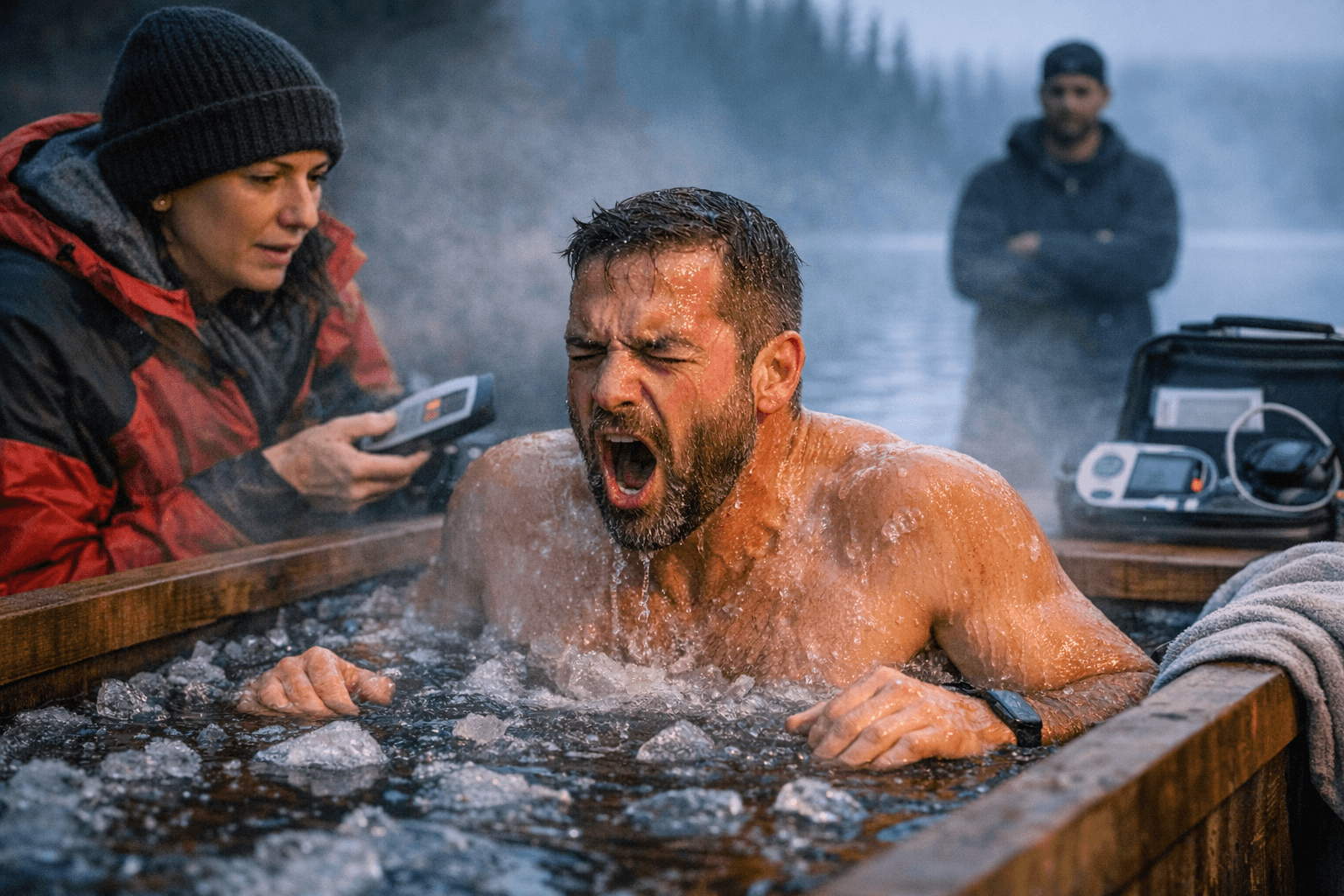
Sudden immersion in cold water is more than a bracing ritual; it produces immediate physiological responses that can be dangerous without precautions. Cold shock, rapid breathing and increased blood pressure are the primary acute reactions to a cold plunge. Those responses can produce dizziness, increase cardiac strain and, with prolonged exposure, lead to hypothermia.
The guidance is aimed at hobbyists, athletes and event organizers who run solo plunges or supervised events. For individuals, the first line of advice is medical screening: avoid plunges if you have heart disease or uncontrolled high blood pressure. Begin with short exposures at milder temperatures and build tolerance gradually; abrupt, long, or very cold immersions increase the odds of cold shock and cardiovascular stress. Do not enter open water alone; unanticipated loss of motor control, disorientation or sudden cardiac events are risks that require another person to intervene.
Event organizers need to plan with those same physiologic realities in mind. Set conservative time limits and temperature ranges for participants, require disclosure of heart conditions or uncontrolled hypertension, and mandate a buddy system or dedicated spotters for any open-water plunge. On-site monitoring for acute symptoms such as dizziness or abnormal breathing is essential. Treat cold-plunge setups as clinical-adjacent activities: the potential for rapid blood-pressure changes and cardiac strain means staff and volunteers should be prepared to call emergency services quickly if a participant shows signs of cardiac distress or hypothermia.
Practical measures for safe practice include starting cold exposure at milder temperatures and short durations to allow acclimation, keeping participants informed about the signs of heat loss and cardiac strain, and strictly enforcing the rule against solitary open-water plunges. Athletes integrating cold immersion into training should consult medical professionals if they have cardiovascular risk factors and weigh the immediate risks against recovery benefits.
Cold-plunge culture thrives on community rituals and measurable gains in recovery, but physiology does not negotiate. Follow medical cautions, stage plunges with safety redundancies, and prioritize short, controlled exposures when introducing newcomers. For hobbyists, athletes and event organizers, the takeaway is straightforward: you can keep the thrill and the benefits, but do it with screening, gradual acclimation and someone watching the water with you.
Know something we missed? Have a correction or additional information?
Submit a Tip