Wedding and Anniversary Gift Market Nears $21.1B with Strong CAGR Forecast
Global wedding and anniversary gifts topped USD 21.11 billion in 2025 and are forecast to reach USD 29.1 billion by 2035 at a 3.26% CAGR.

The global wedding and anniversary gift market recorded a valuation near USD 21.11 billion in 2025 and is projected to reach USD 21.8 billion in 2026 and roughly USD 29.1 billion by 2035, a 3.26% compound annual growth rate for 2026–2035, Globalgrowthinsights and Industryresearch Co report. Industryresearch Co lists the 2026 figure as USD 21,799.91 million and the 2035 target as USD 29,105.39 million, underscoring a broad consensus around a steady decade-long expansion.
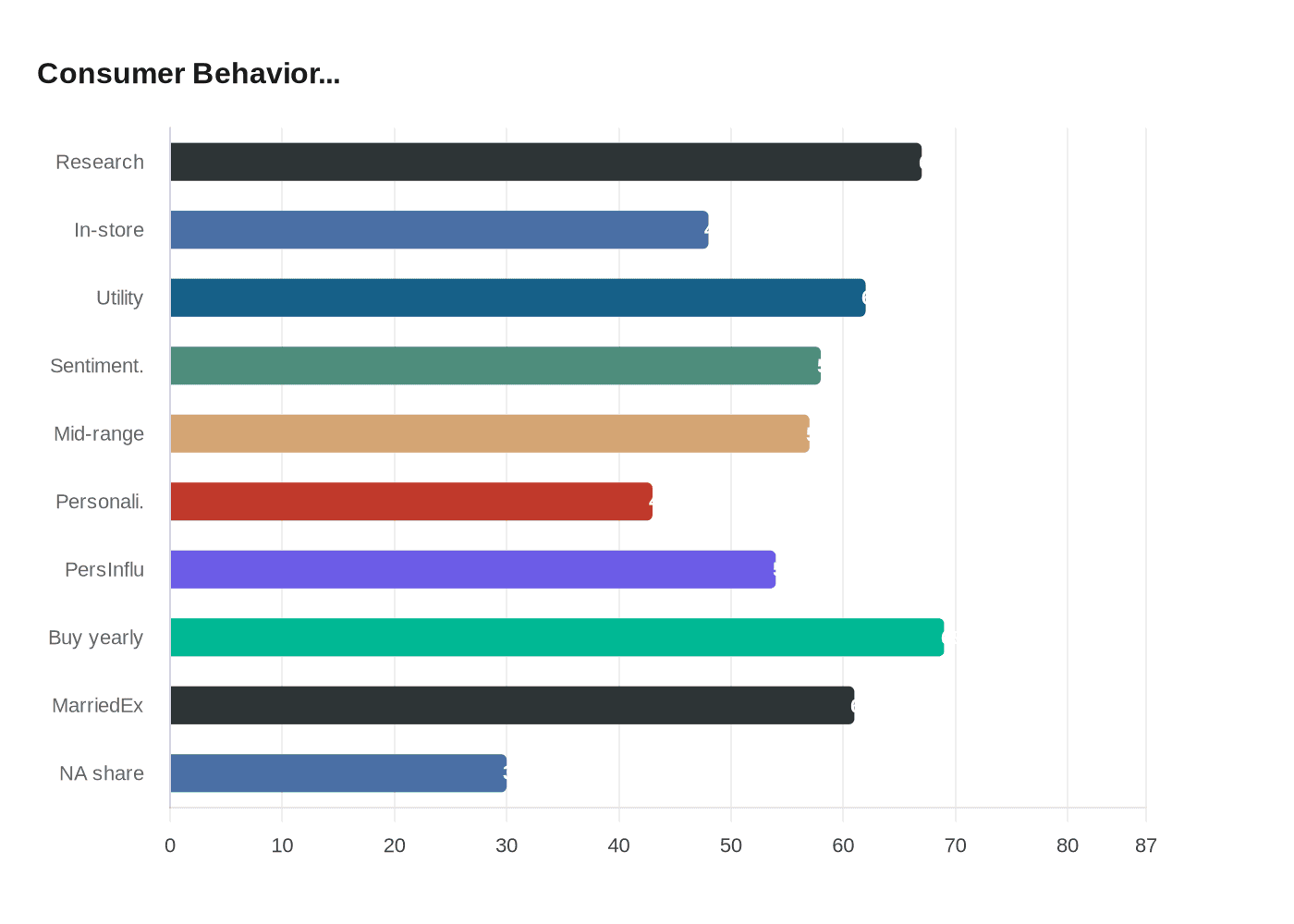
Consumer behavior is reshaping that growth. Globalgrowthinsights finds about 67% of customers research gifts online while 48% still complete purchases in physical stores, a split that drives omnichannel investment. Around 62% of buyers opt for utility-based gifts such as home products; 58% favor sentimental keepsakes; 57% choose mid-range items; and 43% select personalized keepsakes, supporting the report’s finding that personalization services influence 54% of buying decisions. Nearly 69% of consumers consistently purchase gifts for weddings and anniversaries each year, and 61% of married couples exchange gifts for milestone anniversaries.
Regional patterns and product breadth matter for gift strategists. Industryresearch Co estimates North America accounts for approximately 30% of market share, driven by premium and customized gifting demand, while HTF Market Insights notes rapid adoption across Asia-Pacific and leadership in North America and Europe. Product categories span Household Goods, Decoration, Perfume, Accessories, Food & Beverage, Picture Frames, Candles and Others, while HTF’s scope explicitly includes Jewelry, Watches, Home décor, Customized gifts, Experiences and Luxury hampers. HTF’s company roster names Hallmark, Tiffany & Co., Swarovski, Pandora, Godiva, ProFlowers, Zales, Blue Nile, Etsy and RedEnvelope as active players.
Vendor economics favor personalization and multichannel reach. Technavio states, “Market growth is significantly driven by increased consumer spending and the pursuit of personalization,” and adds that personalized offerings can boost vendor profit margins by up to 30% while multichannel strategies expand consumer reach by over 60% in key demographics. Technavio also highlights wedding-services trends that reduce vendor booking times by 50% on on-demand platforms and that menu personalization yields a 20% higher rate of repeat inquiries, signaling crossover opportunities for experiential gift providers.
Operational and cultural restraints complicate the picture. Globalgrowthinsights flags that nearly 55% of consumers in certain cultures still prefer cash gifting, limiting product penetration, and that duplicate gift returns occur in about 29% of cases, pressuring inventory management. Industryresearch Co notes seasonal demand peaks around spring and summer wedding months and that corporate anniversary gifting adds incremental revenue for premium suppliers.
Not all forecasts align. HTF lists a 2025 base-year figure of 280 billion and a 2033 target of 420 billion with a 5.10% CAGR for 2025–2033, but the HTF excerpt does not specify units or currency and therefore diverges numerically from the USD-based 21.11 billion / 29.1 billion series; that discrepancy requires clarification. For boutique gift makers and luxury houses, the dominant facts are clear: personalization, omnichannel discovery and premium positioning — together with careful handling of returns and cultural preferences for cash — will determine which brands convert the market’s projected growth into profitable, memorable gifts.
Know something we missed? Have a correction or additional information?
Submit a Tip