Weird travel pillow wins over economy sleeper on long-haul flights
A bizarre-looking neck pillow may be the latest fix for economy misery, and its appeal says comfort is now something passengers have to buy.
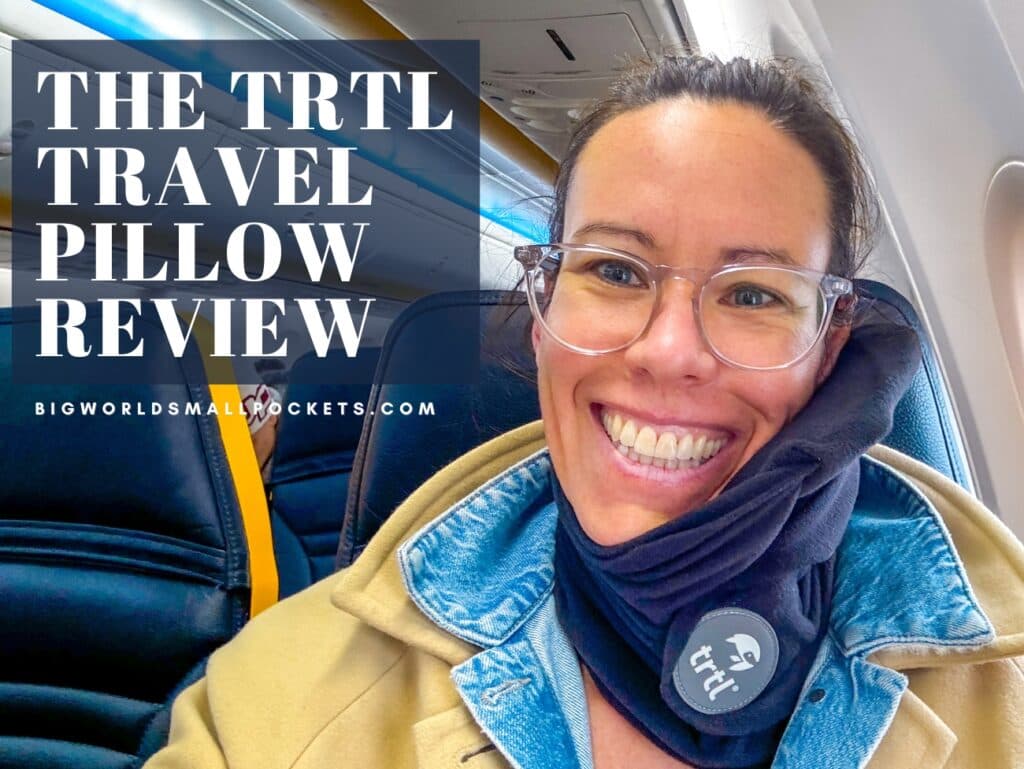
The oddest seatmate in economy
A pillow that looks more like a tube top than a travel accessory has become a serious answer to long-haul misery. In a Washington Post travel review, Natalie B. Compton tested the Trtl pillow on many long flights and found that the strange-looking design helped her sleep soundly in economy.
That matters because the accessory is doing more than selling a clever shape. Its rise points to a bigger shift in air travel: when seats stay cramped and flights keep getting longer, passengers increasingly pay out of pocket for the comfort airlines no longer provide.
Why this pillow is different
The Trtl is not trying to be a soft, oversized neck cushion. Trtl Travel markets it as a mechanically engineered travel neck pillow for long-haul flights, built around an internal support system designed to hold the head and neck in an ergonomic position. That is the pitch behind its appeal: less bulk, more structure, and a better chance of sleeping upright.
The company also leans hard into portability. Its original model is described as lightweight and machine washable, two features that matter when a carry-on already has to hold a laptop, chargers, snacks, and whatever else makes a long flight survivable. In travel-gear coverage, The Points Guy has described the Trtl as "internet-famous" and one of the most portable travel pillows it tested, which helps explain why a device that looks unconventional has become so visible.
What it costs, and what buyers get
The Trtl is not a single product but a small lineup aimed at different travelers. The original Trtl Travel Pillow sells for $49.99. The Trtl Pillow Plus is priced at $74.99, the Trtl Pillow Cool at $64.99, and the Trtl Pillow Junior at $44.99.
That spread shows how closely the company is trying to match the market for economy comfort products. It is not just selling sleep support; it is segmenting a pain point. Trtl also advertises a 100-day money-back guarantee and free shipping within the United States, signaling that the brand knows a product like this has to overcome skepticism before it earns a place in a carry-on.
The Plus version gets special treatment in the company’s marketing. Trtl says it is the world’s first fully adjustable travel pillow and that it fits all heights. That kind of claim matters in a crowded category, where many travel pillows are either too bulky, too rigid, or too awkward to wear for more than an hour.
What long-haul flyers are really buying
The appeal of the Trtl is not novelty for novelty’s sake. It is a workaround for an economy class experience that has become increasingly difficult to rest in. Long-haul seats are commonly experienced as cramped, with limited room to shift, lean, or keep the head from falling forward. When the cabin does not support sleep, travelers start shopping for products that do.
That is why the rise of viral travel accessories says so much about the economics of flying. The cost of comfort has been pushed outward, from airline design decisions to consumer add-ons. A passenger who once expected a tolerable seat now has to assemble a sleep strategy: a pillow, maybe an eye mask, perhaps compression socks, and a plan for surviving the overnight stretch.
In that sense, the Trtl is less about a weird pillow than about a familiar airline bargain. Carriers keep the base fare competitive, but the burden of making the journey bearable increasingly lands on the traveler. A product that promises better neck support, compact packing, and a less miserable night in economy is filling a gap that used to be part of the seat itself.
What to look for in an economy sleep aid
If a pillow is going to earn a place on a long-haul trip, it has to solve practical problems, not just look clever.
- It should be compact enough to fit in a carry-on without taking over the bag.
- It should support the head and neck without forcing the traveler into an awkward position.
- It should be easy to clean, especially after long trips.
- It should offer enough adjustability to work across different body sizes and seat setups.
- A generous return policy helps, because comfort is personal and not every solution works for every flyer.
On those counts, Trtl is trying to position itself as a serious tool rather than a gimmick. The lightweight build, machine-washable original version, adjustable Plus model, and 100-day refund window all reinforce the idea that this is a product designed to be tested in the real world of economy class, not just admired online.
The bigger travel trend behind the pillow
The success of an odd-looking neck pillow fits a broader pattern in travel: passengers are buying their way around inconvenience. The modern market for endurance travel is full of products that promise to patch over the shortcomings of tight seats and long routes, and that demand is unlikely to fade as long as basic economy remains basic.
That is why a strange accessory can become a serious story. If enough people are willing to spend $44.99, $49.99, $64.99, or $74.99 just to sleep better on a plane, it is a sign that the cabin itself is no longer doing enough of the work. The pillow may be unusual, but the problem it solves is not.
This article was produced by Prism’s automated news system from verified source data, official records, and press releases, then run through automated quality and moderation checks before publishing. The system is built and supervised by the people who set the standards it runs under. Read our full AI policy.
Did this article answer your question?

