West Asheville horned lizard mystery revives neighborhood cultural memory
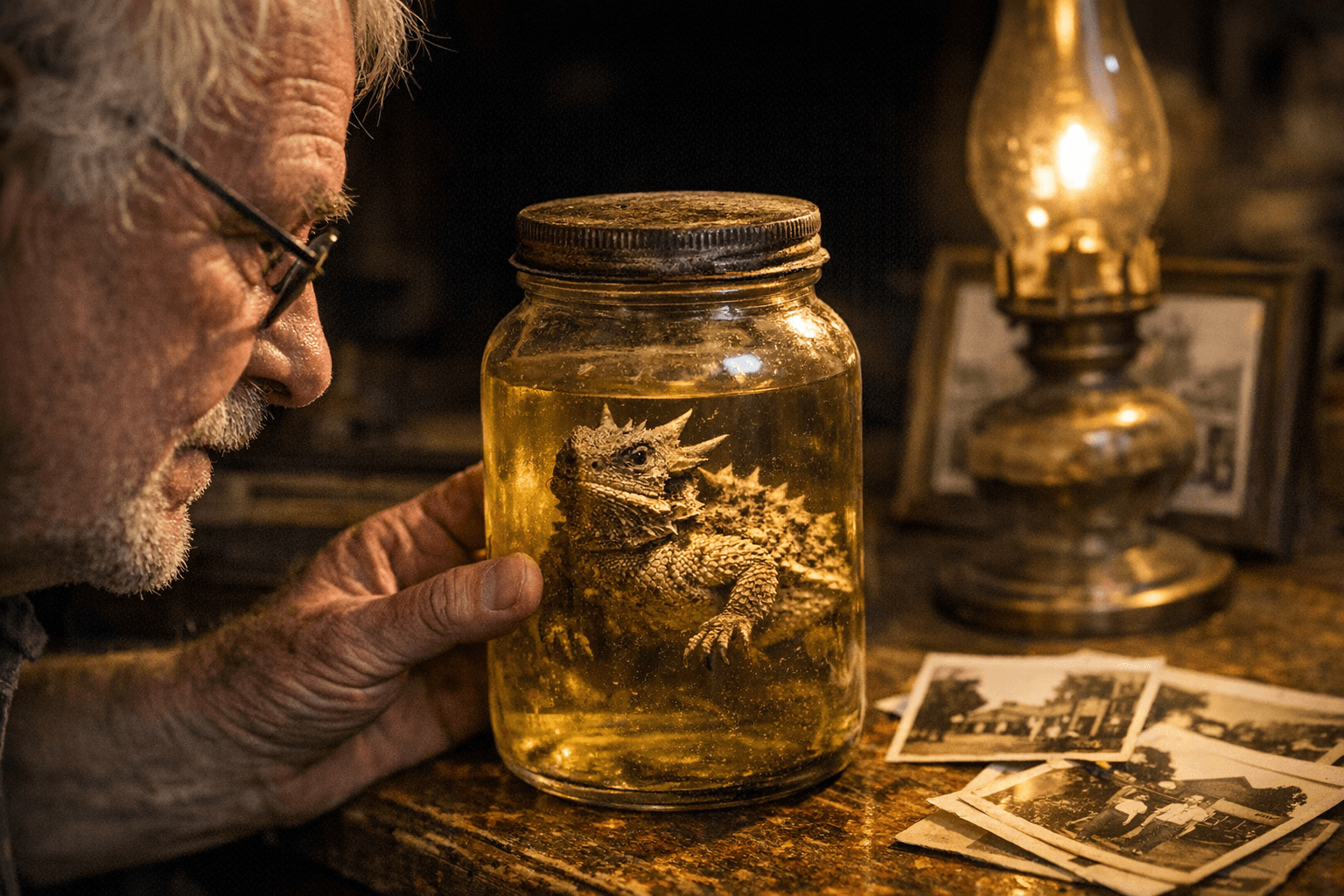
A Strangeville feature revisits a 1928 West Asheville horned lizard found in a liquor jar, underscoring how quirky local stories shape civic identity and archives.
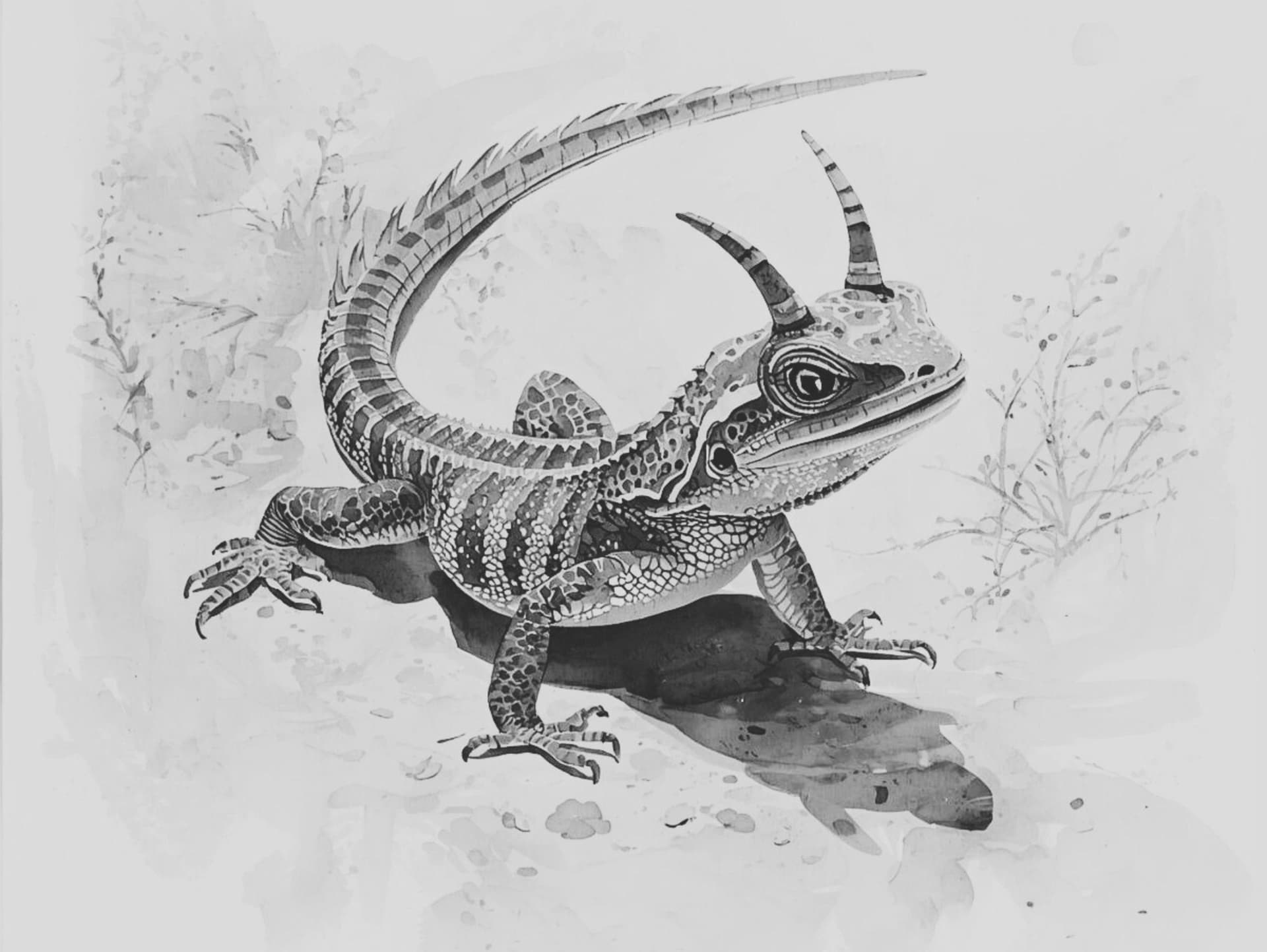
A Strangeville installment revisits a 1928 West Asheville mystery centered on a horned lizard discovered in a liquor jar, a curious episode now resurfacing in community conversations about what local history means for Buncombe County. The animal involved is a species not native to Western North Carolina, and the piece traces the story through archival reporting and local lore to show how a small oddity becomes part of Asheville’s cultural memory.
The account draws on contemporaneous notices and the accumulated tales told by neighbors to map how a single oddity can persist in neighborhood storytelling. That persistence underscores the role of local record-keeping institutions—libraries, historical societies and municipal archives—in preserving material that might otherwise be dismissed as trivia. For residents, the item is less about zoology than identity: West Asheville’s past, its characters and its odd corners remain a source of neighborhood pride and curiosity.
There are policy and institutional implications beyond amusement. Decisions by city and county elected officials on budgets for archives, digitization and local cultural programs determine whether materials like newspaper clippings, photographs and souvenir objects remain accessible. When small stories are preserved and made searchable, they enrich school curricula, heritage tourism and civic engagement; when they are not, those stories fade and civic memory narrows. Local media and community historians act as intermediaries, converting obscure records into narratives that shape how neighborhoods understand themselves.
Civic engagement is central to what comes next. If residents value these pockets of history, they can influence how public resources are allocated by participating in meetings of the county historical commission, supporting library funding measures, or volunteering with local archives. Cultural curiosity can translate into measurable support for preservation policies that maintain public access to primary sources and neighborhood collections.
For West Asheville, the horned lizard in a liquor jar is a reminder that the county’s past is often stranger and more telling than expected. The story highlights the practical question of how Buncombe County will steward its eclectic historical record: whether odd local artifacts remain part of the public conversation or slip into private memory. For readers, the immediate takeaway is simple—local history matters, and residents have a direct role in keeping these stories available for future generations.
Sources:
Know something we missed? Have a correction or additional information?
Submit a Tip