Western States Turn to AI Cameras to Spot Wildfires Faster
AI cameras spotted a March smoke plume in Arizona fast enough to help hold the Diamond Fire below 7 acres, even as crews still faced limits on aircraft and staffing.
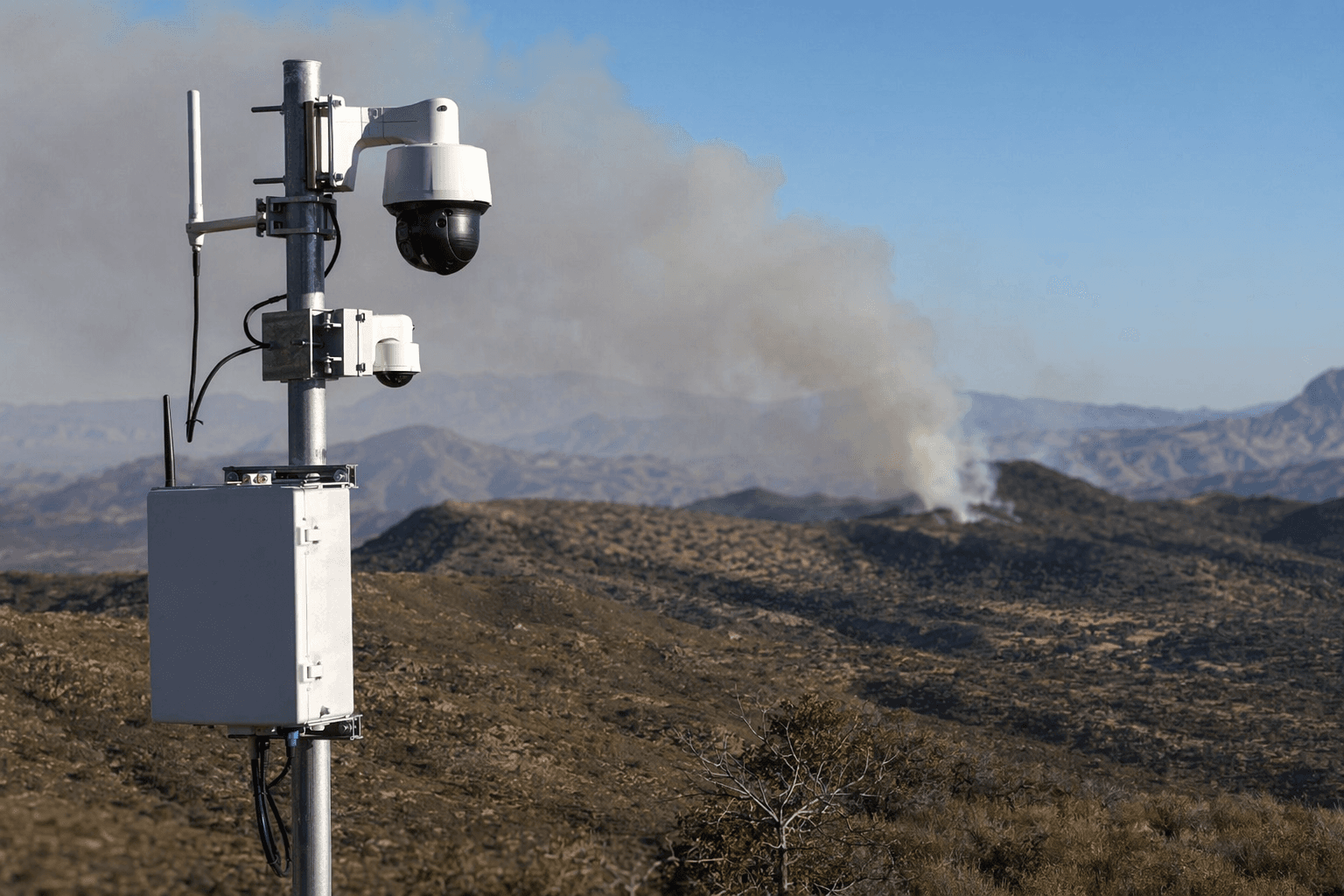
Artificial intelligence is already changing wildfire outcomes in the West when it catches smoke early enough to matter. In Arizona’s Coconino National Forest, an AI system spotted something that looked like smoke on a camera feed during a March afternoon, human reviewers ruled out a cloud or dust, and the alert reached state forestry officials and Arizona Public Service in time for firefighters to keep the resulting Diamond Fire below 7 acres.
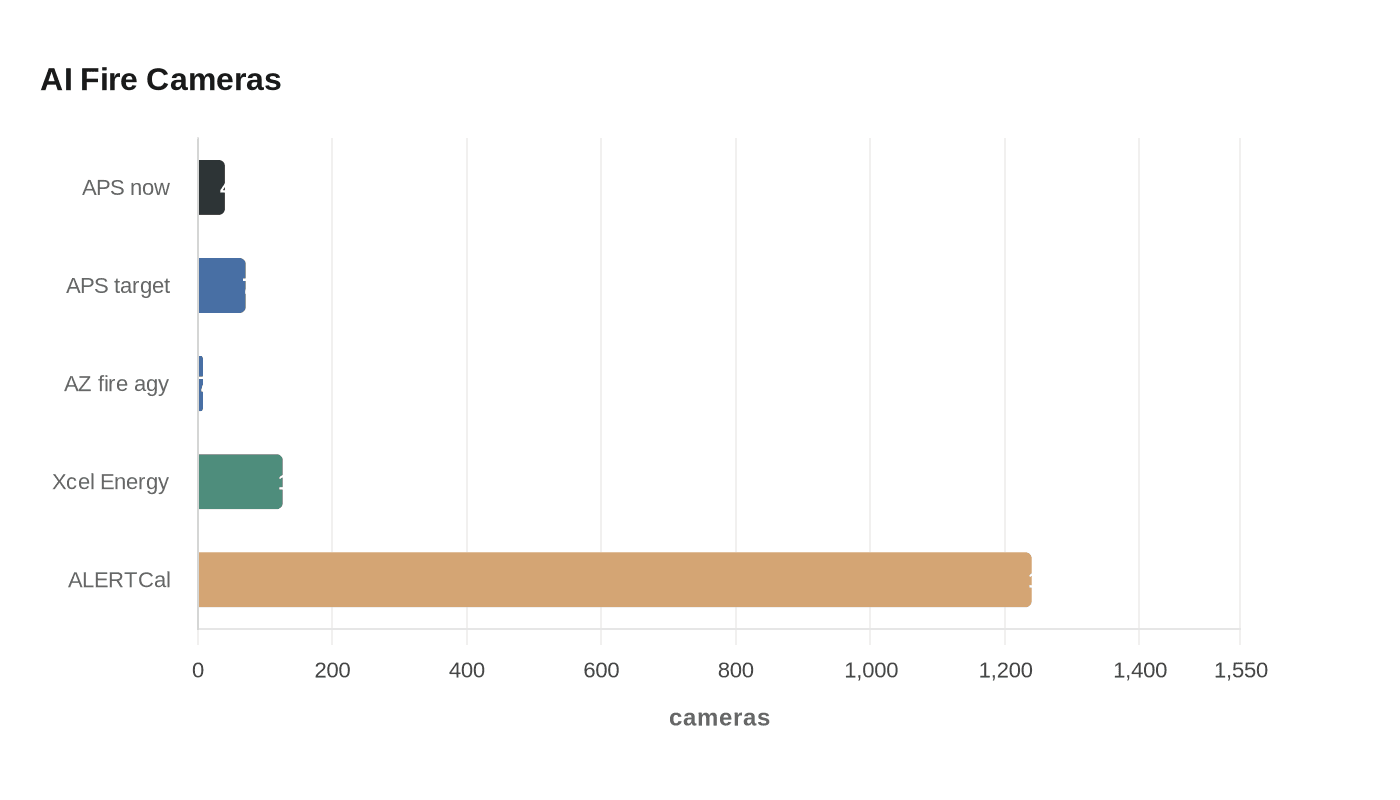
That kind of result has pushed utilities and state agencies to expand camera networks as record heat and an abysmal snowpack raise expectations for a severe wildfire season. Arizona Public Service now has nearly 40 active smoke-detection cameras and wants 71 by the end of summer, while Arizona’s state fire agency has seven of its own. In Colorado, Xcel Energy has installed 126 cameras and wants coverage in seven of the eight states it serves by year’s end.
The payoff is not just more eyes on the forest. It is faster decision-making in the first minutes after ignition, when a small plume can turn into a costly regional event. John Truett of Arizona’s forestry department said earlier detection gives crews a chance to launch aircraft and personnel before a blaze grows. That matters because the real bottlenecks in wildfire response are still human and physical: getting staff on scene, getting aircraft airborne, and making sure those resources arrive before wind and heat carry the fire out of control.
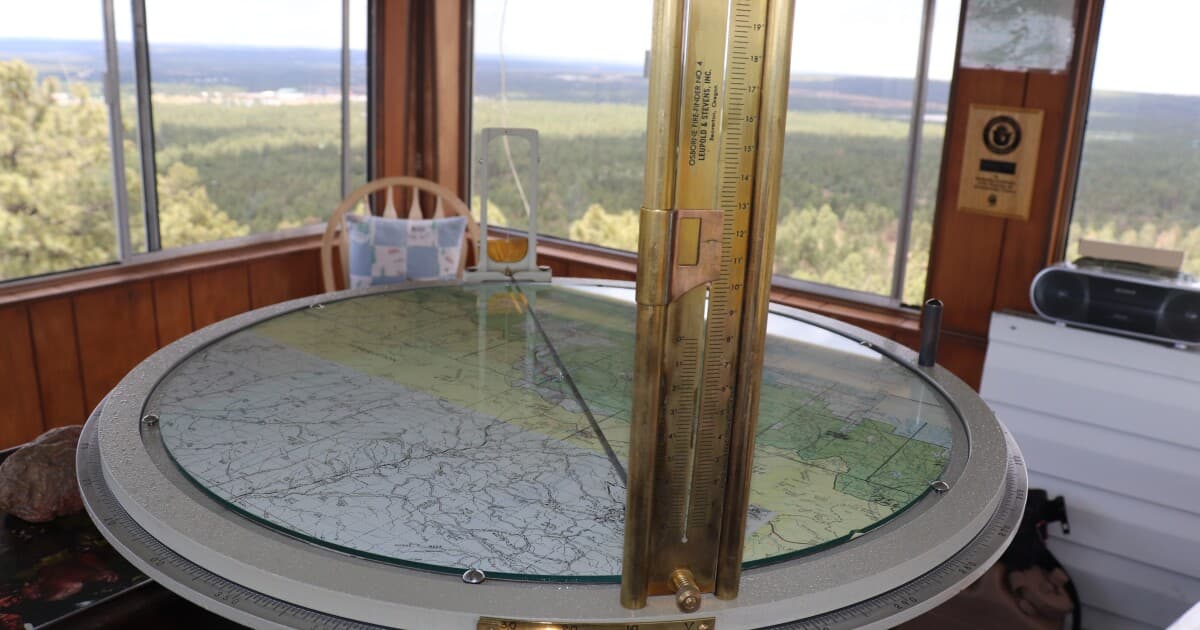
ALERTCalifornia, a network of roughly 1,240 AI-enabled cameras, has become another major part of that strategy, especially in remote and high-risk terrain. University of California, San Diego professor Neal Driscoll, who founded the system, said human intervention keeps false positives low and improves the technology over time. He also said the AI on the cameras is “beating 911 calls” in some cases, a sign that machine detection is now outpacing the public’s first reports in some corners of the West.
The broader shift is toward a mixed model in which public agencies, private utilities and university-backed systems share the work of spotting smoke first. That blend reflects the scale of the challenge: sparse populations, longer response times and a warming climate make missed plumes more expensive than ever. AI is not replacing aircraft, crews or command decisions, but when it shaves minutes off detection, those minutes can decide whether a fire stays local or becomes a disaster.
This article was produced by Prism’s automated news system from verified source data, official records, and press releases, then run through automated quality and moderation checks before publishing. The system is built and supervised by the people who set the standards it runs under. Read our full AI policy.
Did this article answer your question?