WGA Strikes Early Deal With Studios, Securing Four-Year Contract Before Deadline
The WGA secured a four-year deal with studios on April 5, avoiding a repeat of the 148-day strike that cost the industry an estimated $6.5 billion in 2023.
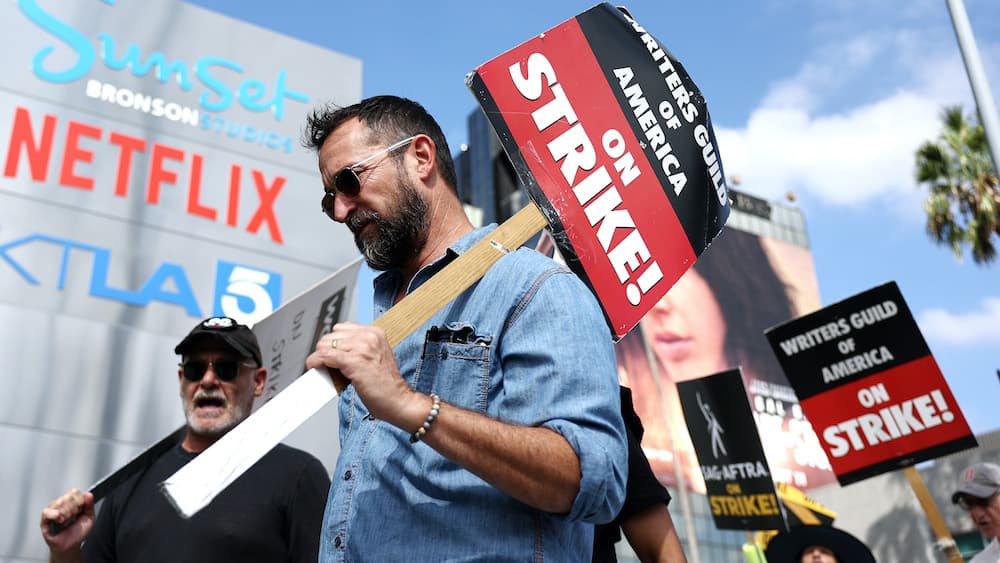
The Writers Guild of America avoided a repeat of its bruising 148-day strike by securing a tentative four-year agreement with the Alliance of Motion Picture and Television Producers on April 5, nearly a month before the union's contract was set to expire on May 1.
The four-year term, one year longer than the standard three-year contract, represents the studios' clearest structural win in the deal. The AMPTP had entered talks seeking a five-year extension in exchange for a major health plan contribution; the final agreement lands between those two positions. In exchange, the WGA secured a multimillion-dollar infusion into its health plan, which was on track to exhaust its financial reserves within three years if conditions did not change.
That health crisis was the driving force behind WGA West President Michele Mulroney's publicly stated top priority heading into negotiations: stabilizing the plan. Rising healthcare costs and a contracting industry had steadily reduced contributions, creating a countdown that neither side could afford to ignore.
WGA West Executive Director Ellen Stutzman led the negotiations for the second consecutive cycle, having taken over as chief negotiator during the 2023 talks following the sudden departure of predecessor David Young. Stutzman was joined by negotiating committee co-chairs John August and Danielle Sanchez-Witzel. On the management side, AMPTP President Greg Hessinger, who succeeded longtime president Carol Lombardini, represented the studios and streamers. Talks opened in mid-March 2026 and concluded faster than most observers anticipated, the speed itself a reflection of how much both sides wanted to avoid another protracted standoff.

The 2023 strike's toll remains vivid throughout the industry. The 148-day walkout, the second-longest in WGA history, cost the combined film and television industry an estimated $6.5 billion when the simultaneous SAG-AFTRA strike is factored in. Writer earnings fell $603 million, roughly 32%, in 2023 to $1.29 billion, the lowest inflation-adjusted figure since the 2007-08 writers strike. TV writing jobs dropped 42% during the 2023-24 season, and the number of guild-covered episodic series fell by approximately 37%. With an ongoing global contraction in the entertainment business, few within the industry had the appetite for a second extended strike.
Beyond the health plan, the tentative deal includes pension increases, higher fees for streaming-only productions, increased SVOD residuals, and expanded protections against the use of writers' work for AI training. The 2023 contract had introduced guardrails prohibiting AI from writing or rewriting literary material; the new agreement builds on and expands those provisions. WGA membership had given 97% support to the guild's bargaining approach heading into the talks, signaling broad unity behind the negotiating priorities.
The agreement was reached against a complicated internal backdrop: the staff of WGA West had been on strike for more than six weeks at the time the deal was reached, adding its own urgency to a swift resolution. The tentative agreement still requires approval from the WGA board before going to the full membership for a ratification vote.
This article was produced by Prism’s automated news system from verified source data, official records, and press releases, then run through automated quality and moderation checks before publishing. The system is built and supervised by the people who set the standards it runs under. Read our full AI policy.
Did this article answer your question?