What Buena Vista drivers need to know about the hands-free law
What Buena Vista County drivers should know about the switch from warnings to fines under Iowa’s hands-free driving law.

1. Shift from warnings to monetary fines
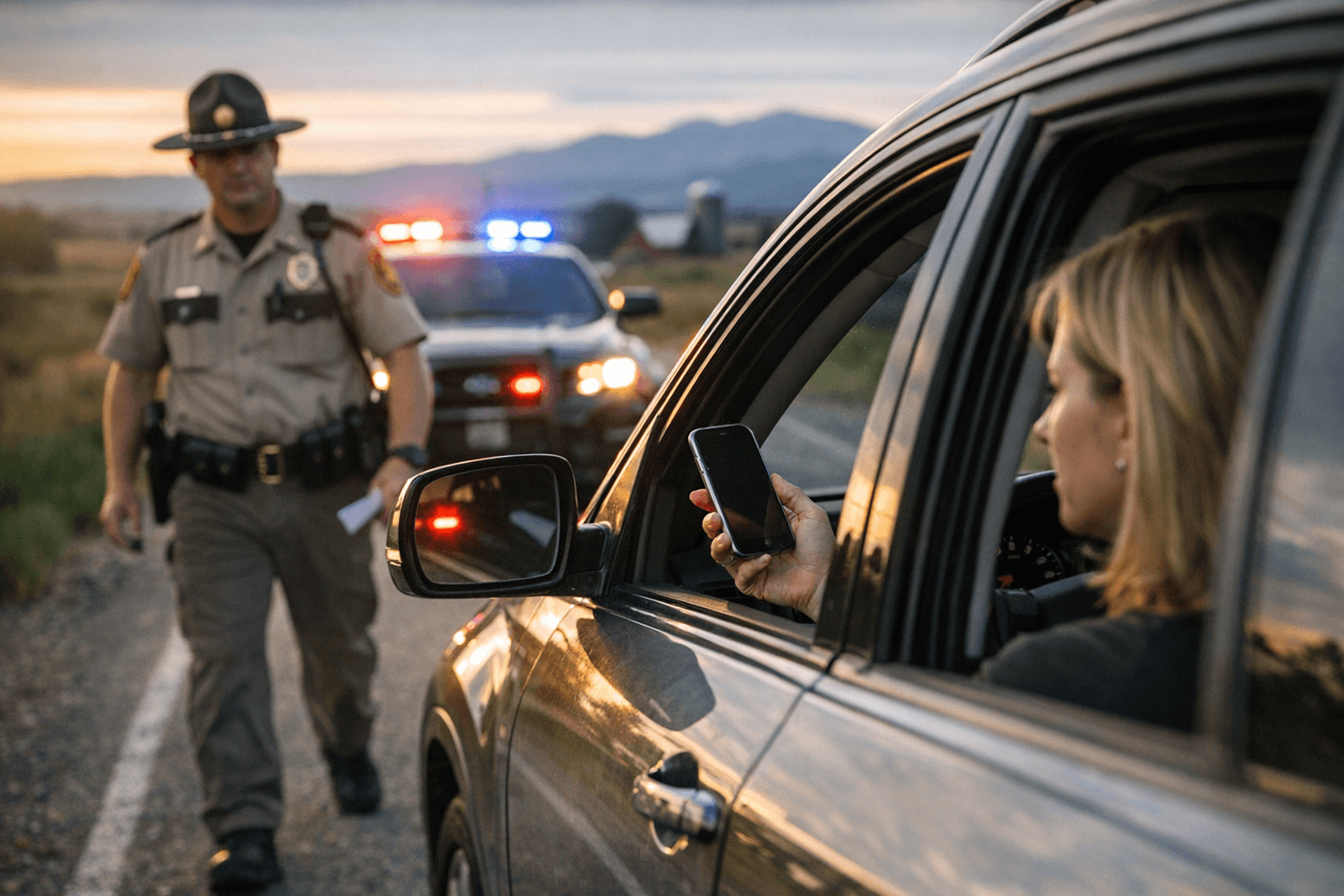
Enforcement in Buena Vista County moved from advisory warnings to monetary fines effective Jan. 1. That change means routine traffic stops or observed violations no longer result in just a reminder; officers now have the authority to issue citation fines on the spot. Locally, that raises the stakes for habitual phone users during commutes and school runs, and it gives deputies a clearer enforcement standard to cite when they observe handheld device use.
2. What the law prohibits
The statute bans handheld use of electronic devices while driving, covering phone calls, texting, social media, and similar manual interactions. Drivers may still use devices through fully hands-free methods—voice commands, Bluetooth, or single-touch activation—so the core legal test is whether the device is being held or manipulated. For Buena Vista roads—from storm-lake arterials to county gravel—this shifts common driving behavior into a legally defined compliance framework.
3. Penalty structure and escalation
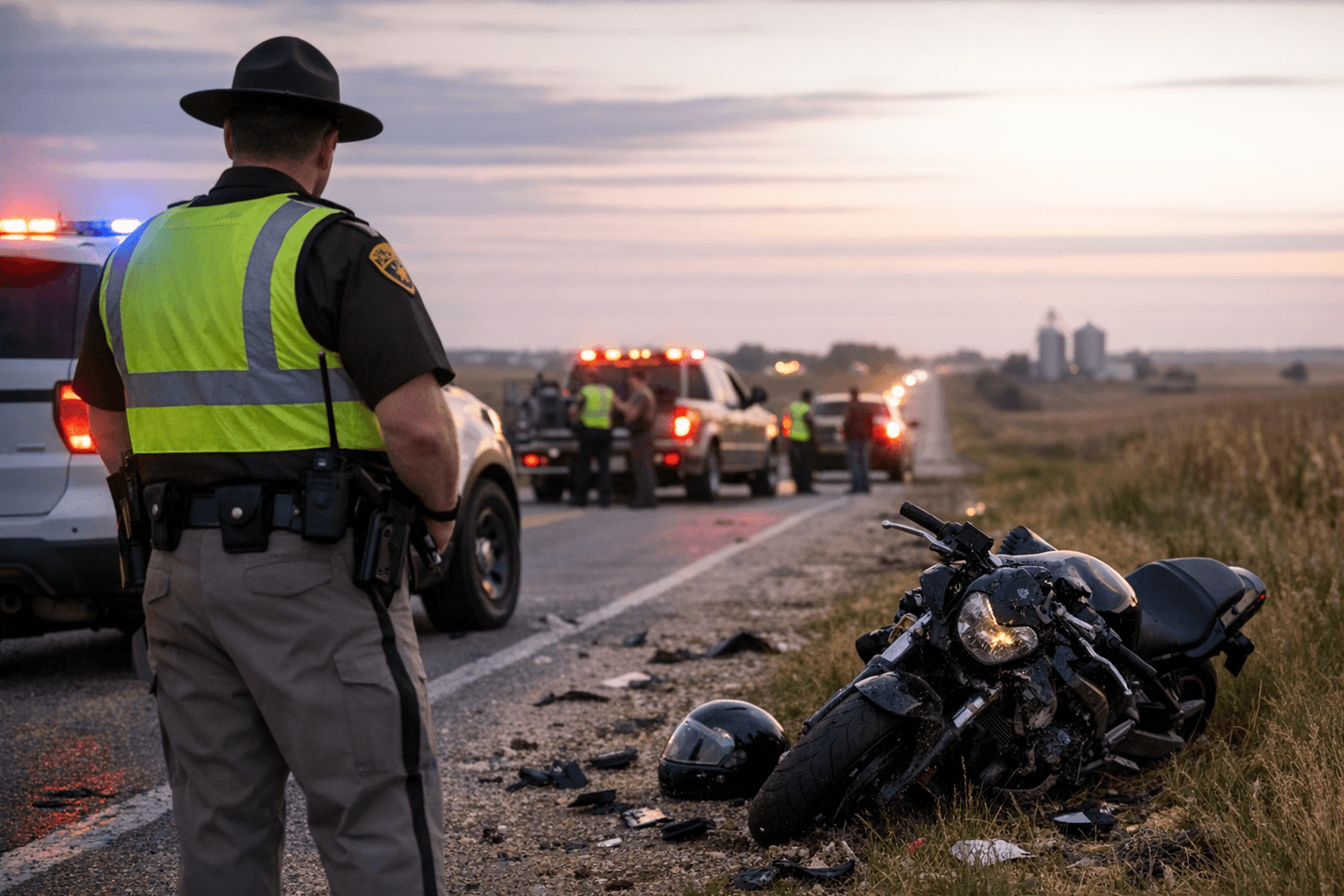
The baseline penalty for a violation is $100, but fines rise substantially if an incident causes harm: $500 when an injury occurs and $1,000 if a death results. These escalating penalties are intended to link the act of handheld device use with real-world consequences and to amplify deterrence when crashes occur. For county residents, that means a momentary call or text can carry financial exposure well above a standard ticket, and those amounts can influence insurance rates and civil liability down the road.
4. Phased implementation and community adaptation
Iowa phased the law in with warnings beginning last July to give drivers time to adapt, and local departments used that window to educate rather than penalize. That period allowed businesses, school districts, and regular commuters in Buena Vista County to change routines—adjusting cabling, dash mounts, and in-car settings—before fines began. The transition also gave employers and fleet operators a runway to update policies and teach safer device use to employees who drive as part of their jobs.
5. Local enforcement approach and sheriff’s outlook
Buena Vista County law enforcement have described enforcement as straightforward, positioning the policy as a culture-change tool aimed at reducing crashes. Deputies now focus on observable, handheld behavior rather than ambiguous multitasking, which streamlines citations and clarifies expectations for drivers. The practical effect locally is fewer discretionary warnings and more uniform application of the law across patrols, which should reduce perceptions of inconsistent enforcement.
- pair your phone to your vehicle’s Bluetooth before you start driving
- set up voice assistants and test commands for calls and navigation
- use single-touch mounts that allow one-button activation without holding
- enable “do not disturb while driving” modes to block notifications
6. Practical device options to stay legal
Most modern smartphones support voice commands or one-touch hands-free activation, giving drivers several compliance paths. To make the switch easier:
These simple configurations matter on morning commutes in Storm Lake and cross-county trips, because technical compliance is often a few settings and a mount away.
7. Where Iowa fits nationally
Iowa is now the 31st state to implement a hands-free driving statute, reflecting a national trend toward stricter device rules behind the wheel. For Buena Vista County residents, that broader movement means travelers from other states increasingly expect similar rules, and it reduces the chance that out-of-state drivers are unaware of local enforcement norms. The national momentum also feeds into statewide education campaigns and potential federal guidance on distracted driving countermeasures.
8. Local impact on daily life and civic institutions
Schools, employers, and emergency services in Buena Vista County will feel ripple effects as enforcement becomes routine: school bus routes, parent drop-offs, and municipal fleets must align policies and training to avoid citations. Businesses that rely on mobile communication should rework driver protocols and document compliance steps for liability protection. And for civic engagement, this law offers a clear issue area where residents can request enforcement data from the sheriff’s office or county supervisors to track whether crashes and citations decline.
Our two cents? Treat the switch as a simple household safety upgrade: pair and mount your phone, enable hands-free features, and make a habit of silencing notifications before you pull out of the driveway. It keeps your eyes on county roads, your wallet intact, and neighbors safer on the way to the lake, the fair, or the Friday night game.
Sources:
Know something we missed? Have a correction or additional information?
Submit a Tip