What the First Amendment protects, and what it doesn't in journalism
The Constitution shields publishing far more than the hunt for a story. Once reporting turns into trespass, subpoenas, or source-handling crimes, the legal risk changes fast.
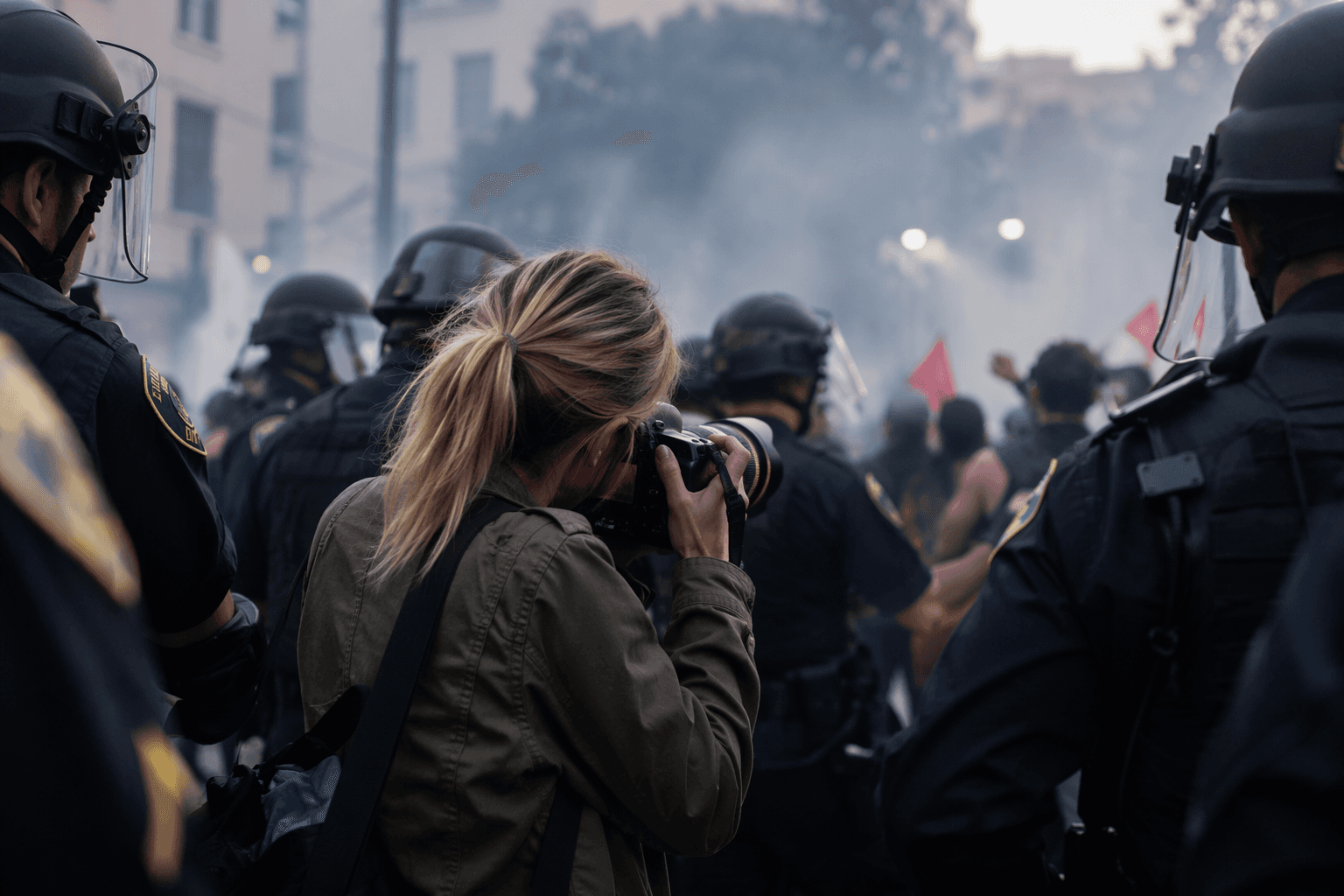
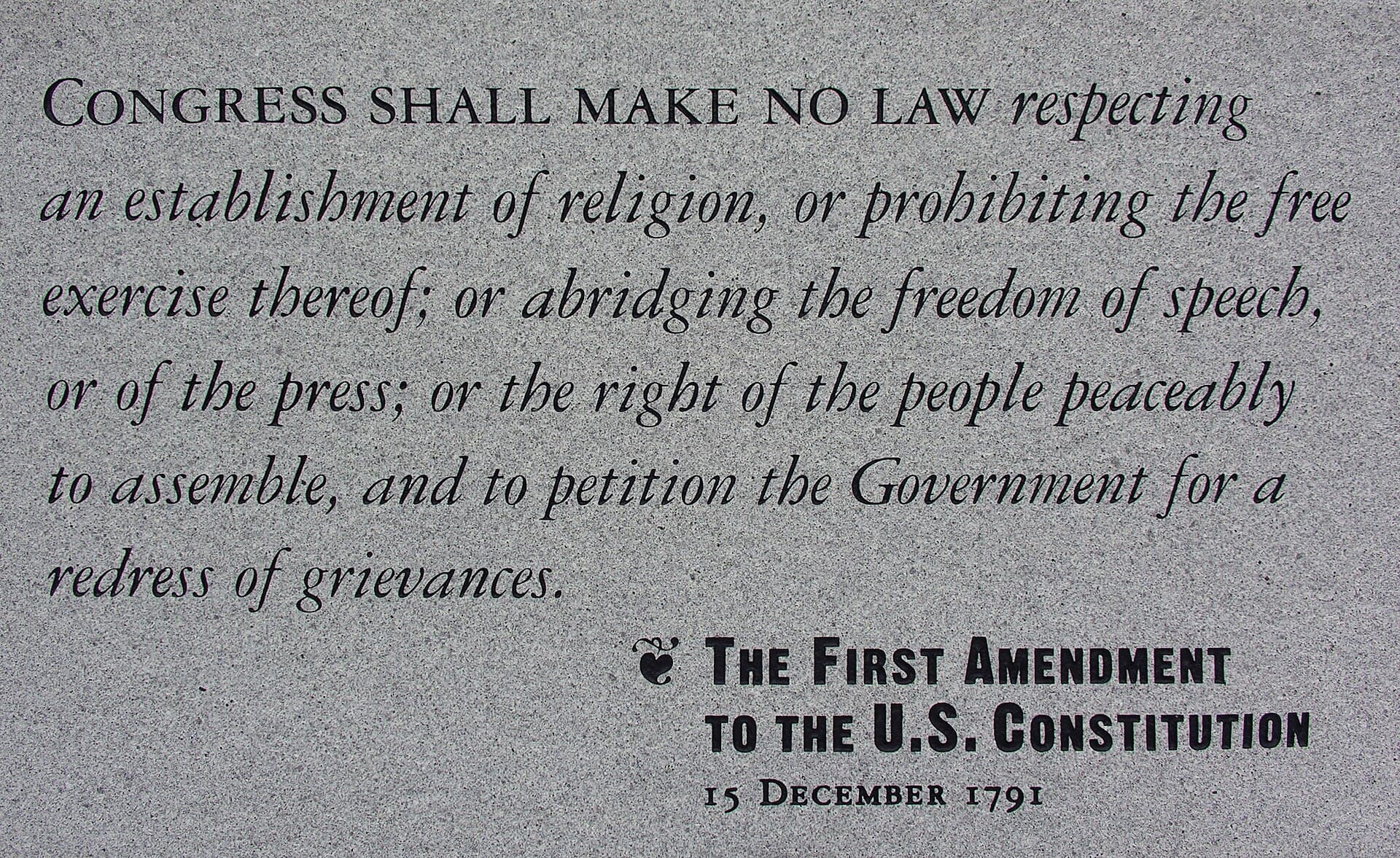
The First Amendment gives journalism its strongest protection at the point of publication, not at every step taken to get there. Courts have repeatedly drawn a line between lawful newsgathering and conduct that looks like ordinary crime, trespass, or compelled testimony, and that line matters far beyond any one administration.
What the First Amendment clearly protects
The strongest constitutional protection attaches when a newsroom publishes truthful information it lawfully obtained. In Bartnicki v. Vopper, the Supreme Court protected disclosure of an intercepted union phone call because the broadcaster had not taken part in the illegal interception, and the case involved a labor dispute at a Pennsylvania high school, not a license to steal information. Branzburg v. Hayes went the other way on compelled testimony, holding that a reporter could be required to answer a grand jury subpoena about crime-related information and rejecting a constitutional testimonial privilege against that process.
Access claims are narrower still. In Pell v. Procunier and Saxbe v. Washington Post Co., the Court held that journalists had no constitutional right to personal interviews with selected prisoners beyond the access available to the general public, and in Houchins v. KQED the Court refused to recognize an unlimited First Amendment right of access to jail facilities and prisoners. The press has a right to report on prisons; it does not get a special constitutional doorway into places the public cannot enter.
Where the constitutional shield ends
The First Amendment does not erase generally applicable laws just because the person breaking them is gathering news. In Food Lion v. Capital Cities/ABC, two ABC reporters used false resumes to get jobs at Food Lion stores and secretly videotaped food handling; the Fourth Circuit held they had trespassed and breached duties of loyalty, even though other claims, including fraud and unfair trade practices, failed. That case remains a clean example of the difference between protected reporting and conduct that can trigger ordinary civil or criminal liability.
Federal policy draws the same distinction. The Justice Department’s current rule says its press protections are meant to shield lawful newsgathering, but not to give special protection to media members who are the focus of criminal investigations for conduct outside that scope. The rule also treats subpoenas, certain court orders, and search warrants aimed at nonconsenting news organizations as extraordinary measures, not routine tools, and it notes that the Privacy Protection Act may also apply.
That policy is not static. The Federal Register says the 2025 rule rescinded the 2022 amendments and restored a modified version of the longstanding Justice Department practice, after the department concluded the earlier changes had struck the wrong balance between law enforcement and the free flow of information. That matters because reporter protection in federal investigations depends on a mix of constitutional doctrine, agency rules, and case law, not a single absolute shield.
Why leak probes can chill routine reporting
The civic danger is not limited to a dramatic prosecution of a famous reporter. It also appears when prosecutors aim at source material, newsroom records, or testimony that is part of the reporting process itself. In June 2026, the Justice Department issued and then withdrew subpoenas seeking grand jury testimony from reporters at The Washington Post and The Wall Street Journal in a leak investigation, after the news organizations challenged the demands; the Associated Press also reported that the episode followed an earlier FBI search of another Washington Post journalist’s home and the seizure of electronic devices.
Another recent flashpoint involved arrests tied to reporting on a Minnesota church protest. The Reporters Committee for Freedom of the Press filed a lawsuit seeking records about the arrests of independent journalists Don Lemon, Georgia Fort, and Shane Bollman, saying federal agents charged all three after they reported on an immigration enforcement protest inside the church. Whatever one thinks of the underlying law enforcement case, the practical boundary is visible here: once the government treats presence at a protest, recording, or publication as a criminal issue, the pressure can reach far beyond the individuals named in the complaint.
The line that matters, then, is not whether journalism is popular or disruptive. It is whether officials are targeting the press for lawful reporting, which the First Amendment strongly protects, or for conduct like trespass, deception, interception, or refusing a valid grand jury demand, which the Constitution does not automatically excuse. When that distinction blurs, the cost is paid in fewer sources, thinner coverage, and a public left with less information about how power is used.
This article was produced by Prism’s automated news system from verified source data, official records, and press releases, then run through automated quality and moderation checks before publishing. The system is built and supervised by the people who set the standards it runs under. Read our full AI policy.
Know something we missed? Have a correction or additional information?
Submit a Tip