What to Expect Community Predicts 2026 Parenting Trends: Push Presents, Empathy, AI
Community chatter predicts dads will start getting push presents, while parents favor Authoritative 2.0, slow schedules, analog rituals, and cautious AI use.
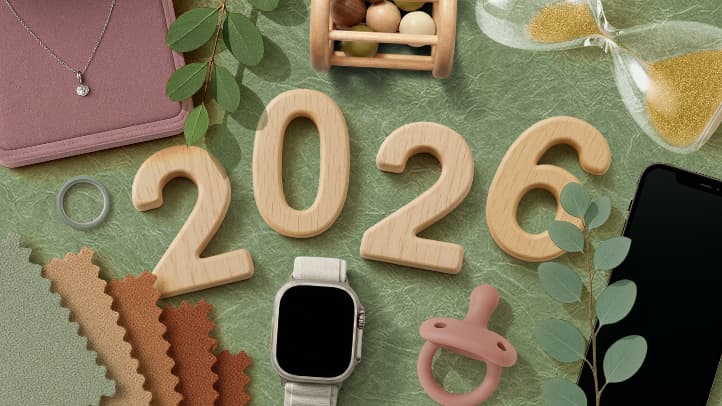
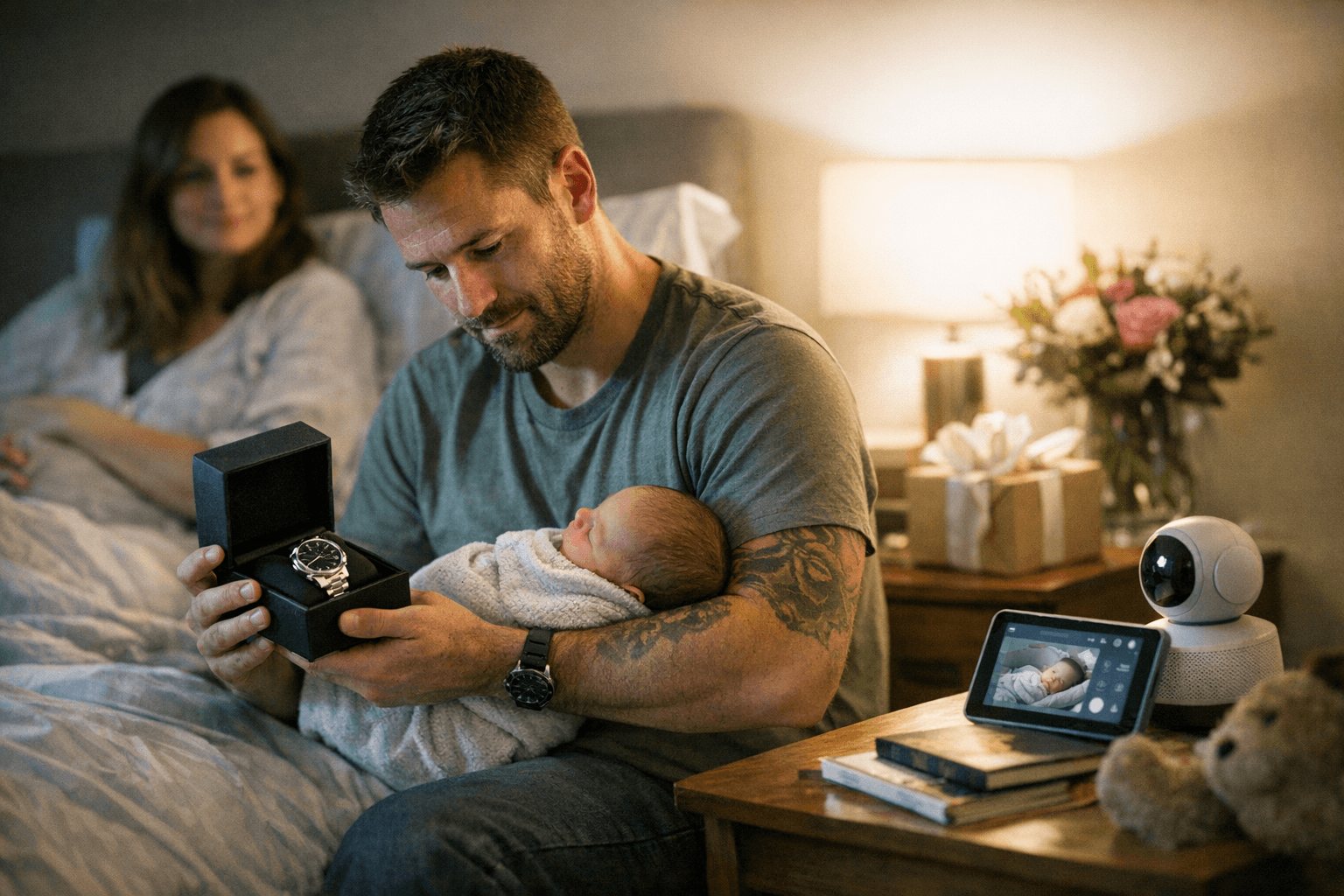
Community signals from late 2025 point to a clear shift in gift culture: “Dads will get their own push present,” and parents are increasingly choosing experience-first and reciprocal presents over big-ticket status items. If you want a lasting token, opt for a sustainable keepsake tied to family meaning; if you want wow-factor, prioritize an experience that lightens the early months for a new parent.
The broader parenting map for 2026 centers on what writers and parent groups labeled Authoritative 2.0 and “empathy and limits.” This iteration keeps warmth at the core while restoring firm edges: “I love you too much to let you go outside without shoes because it’s cold. You can put them on yourself, or I will help you put them on. Which do you choose?” is offered as a Kind and Firm example of how boundaries and empathy coexist.
Scheduling is getting pared back. Parents report retiring the “more is better” mindset and protect a “happy kid” rather than a “resume kid,” and there are reports of a massive drop in enrollment for “competitive” activities for children under the age of ten. That shift is reinforced by college-side signals that many institutions now value depth over breadth in activities — a context parents point to when choosing fewer, longer-term commitments for children.
Community care models are on the rise as families trade solo exhaustion for cooperative solutions. Parents describe neighborhood play groups, parenting pods, co-op childcare arrangements, and shared homeschooling duties as practical ways to “take the village” back, save money, and create flexibility for working parents who otherwise lack unstructured afternoons.
Technology sits at the crossroads of convenience and concern. AI-powered parenting tools are already writing bedtime stories, managing schedules, and answering “why” questions, yet privacy fears persist. A life span institute at a major university flagged that parents trusted content produced by Chat GPT more than that produced by doctors, a finding that has prompted more than a little alarm among caregivers who worry about trading intuition for algorithmic advice. “The biggest watch-out as we head into 2026 is balance,” Schweikert warned. “Parents can use AI most effectively as a supporting tool, not a substitute to replace human interaction, play, or creativity. For young children, especially, real-world experiences, relationships, and unstructured play should always come first.”
At the same time, going analog keeps gaining traction: families are bringing back VHS players and landlines, and the Tin Can kids’ phone — a landline-like device that rose in visibility in 2025 — was singled out in mom group chats and headlines as emblematic of the trend. Practical rituals show up alongside devices: “Set a few tech-free family rhythms. Decide where your phone goes when you walk in the door, make the first few minutes after school phone-free, and build in analog rituals—board games on weekends, walks, cooking together, etc.,” is now common advice.
The cultural bargain for 2026 also includes tightened pocketbooks and values: OUT are keeping up with everyone else’s spending, big-ticket parties, and lax phone rules. IN are low-stimulation content, open-ended play with “loose parts,” and intentional boredom as a precursor to creativity. For push-present shoppers, that translates into thoughtful, sustainable choices over flashy excess — and an expanding marketplace that now includes partners as recipients.
Polarizing recommendation: skip the branded blowout and give something that protects time or memory instead. Tag someone who needs this. Would you splurge on a push present for a partner or choose a more personal, practical gift?
Know something we missed? Have a correction or additional information?
Submit a Tip