What to Know About Racing Drone Classes, RTF vs ARF and FPV
Start by deciding AP or FPV: FPV is faster and pilot-built, AP rigs buy stability and long flight time—know which video system, frame class, and spare parts profile matches your budget.
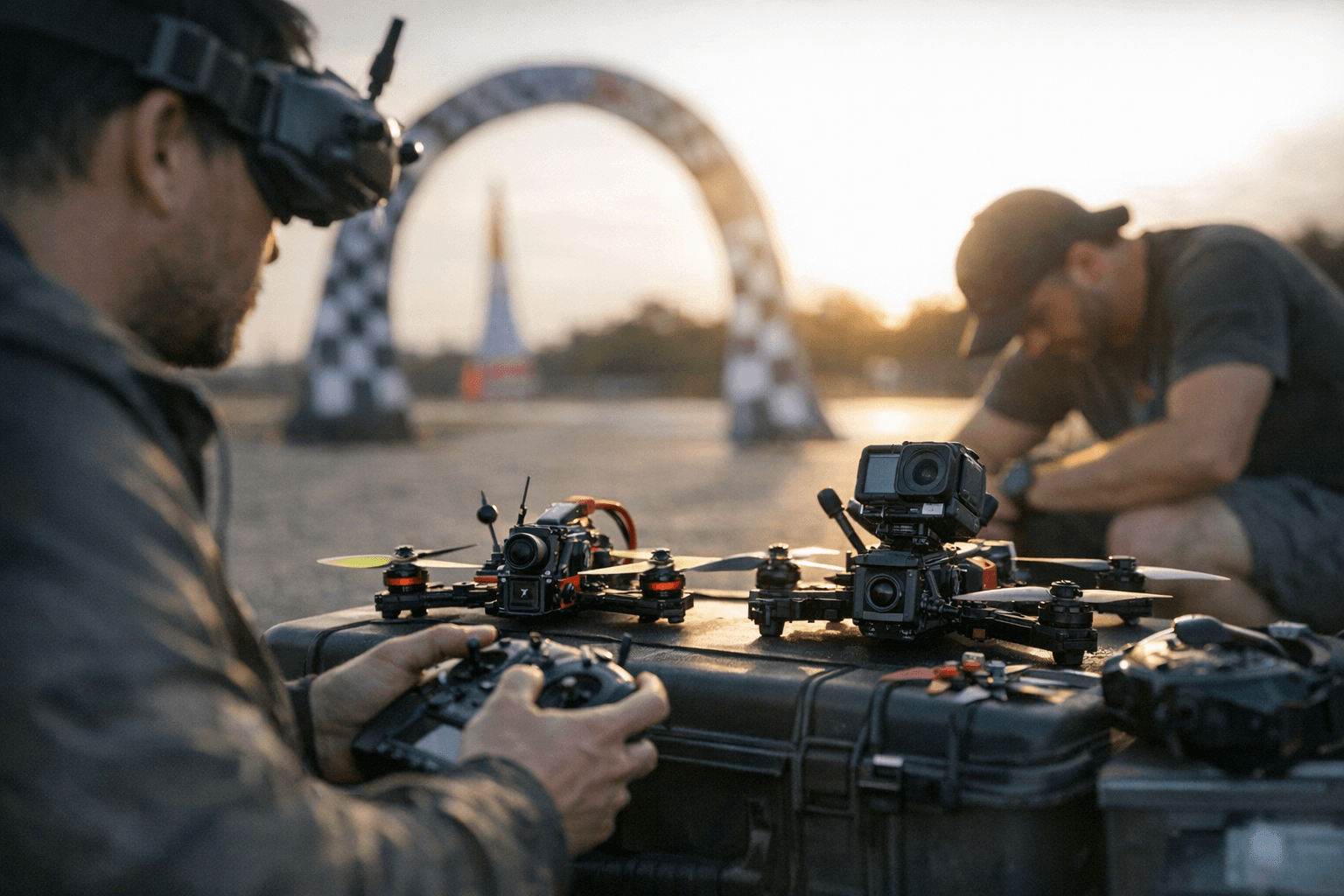
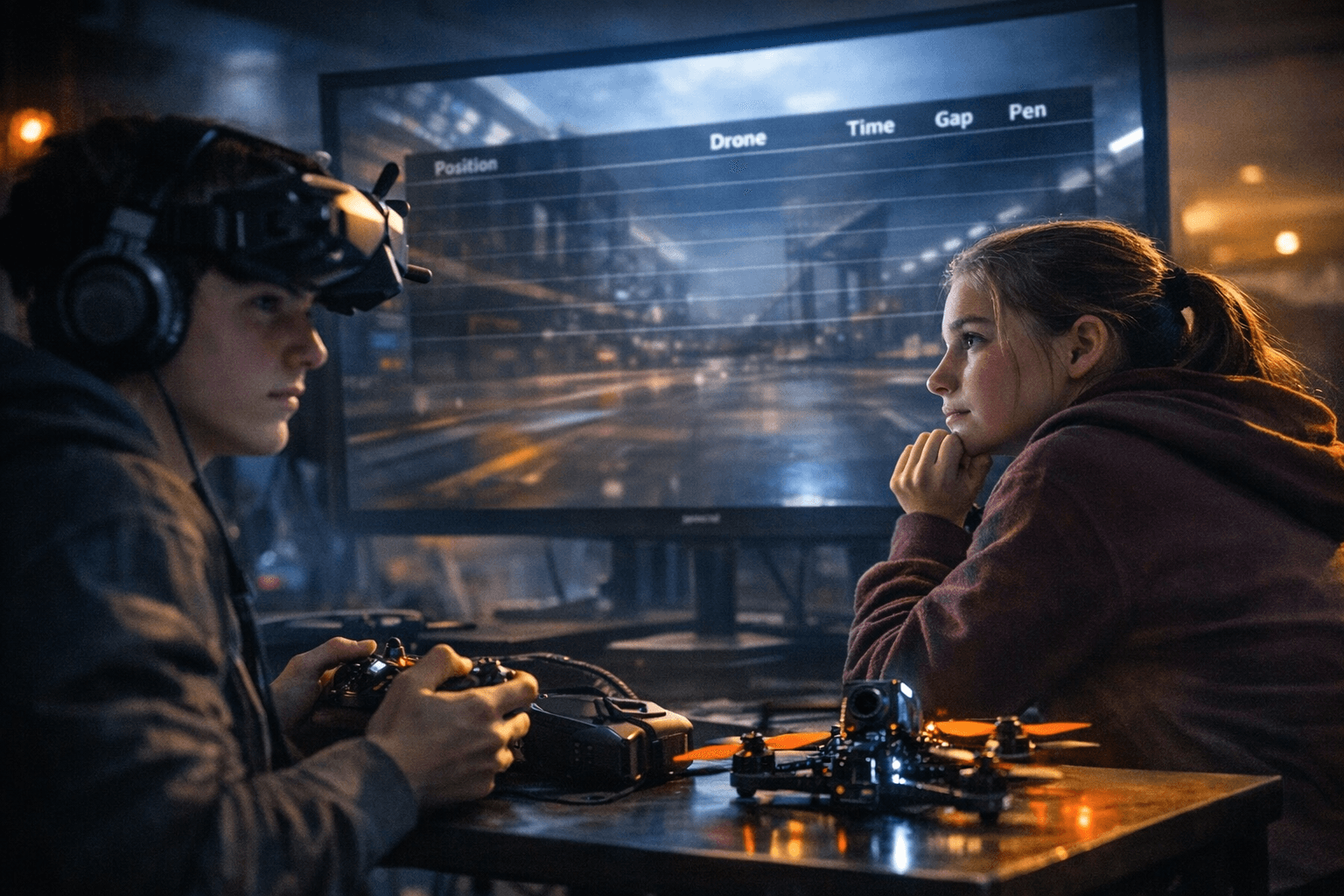
You put on the goggles and the world collapses to a narrow tunnel of gates, prop wash and split-second choices — that cockpit feeling is the clearest boundary between aerial photography rigs and competitive FPV. The buying mistakes you make here matter: pilots who build FPV quads often trade consumer convenience for speed, repairability and recurring parts costs, while bigger AP rigs promise longer flight times and gentler learning curves.
Why this primer matters “Why this primer matters to drone‑racing pilots and organizers (summary): BestReviews’ long‑form guide to racing drones distills the categories, tradeoffs and practical purchase advice pilots need when stepping into competitive FPV. It explains the difference between RTF (ready‑to‑fly), ARF (almost‑r” That fragment from BestReviews frames the practical goal: sorting categories, tradeoffs and purchase decisions before you step into a race. The rest of that guidance is reflected across community posts and technical buyer’s guides: whether you buy a finished RTF package, assemble an ARF-ish kit, or build from scratch determines initial cost, downtime after crashes and how much of your budget goes into parts versus ready-to-fly hardware.
Two high-level choices: AP vs FPV Community descriptions cut cleanly along one line: AP (aerial photography) rigs versus FPV (First Person View) racing quads. One experienced commenter wrote: “The first is under the AP or aerial photography class. This is what Czabe, to my knowledge, predominantly flies. These are usually bigger rigs with high definition cameras attached by a gimbal to give you beautiful and shake free footage from the sky. The flight times are relatively high (30 mintues) and the controls are unworldly easy to handle.” That’s why casual buyers often start here: stability, gimballed HD footage and longer flights make AP rigs approachable.
By contrast, Czabe’s community note defines FPV bluntly: “The Second “class” of drones is the FPV or First Person View type. This is they kind of drone where you use a small camera from the front of the drone to send a signal back to a set of goggles that the pilot wears giving the feeling of sitting in the cockpit of the quad. This style of quad is much more difficult to fly as they do not have all of the bells and whistles that the DJI brand has. While the controls are the same (throttle, pitch, roll, yaw) the FPV quads do not have GPS, sophisticated self-leveling system, or near the flight time as the AP rigs. The tradeoff however is a lower weight, higher speed, increased agility, and an increased resilience. Less sensitive equipment means less chance to break something. Most all of these FPV quads are built by the pilots that fly them [...] Reply” That passage explains why so many racers build: resilience, lower weight and higher agility come with the expectation of hands-on assembly, tuning and repair.
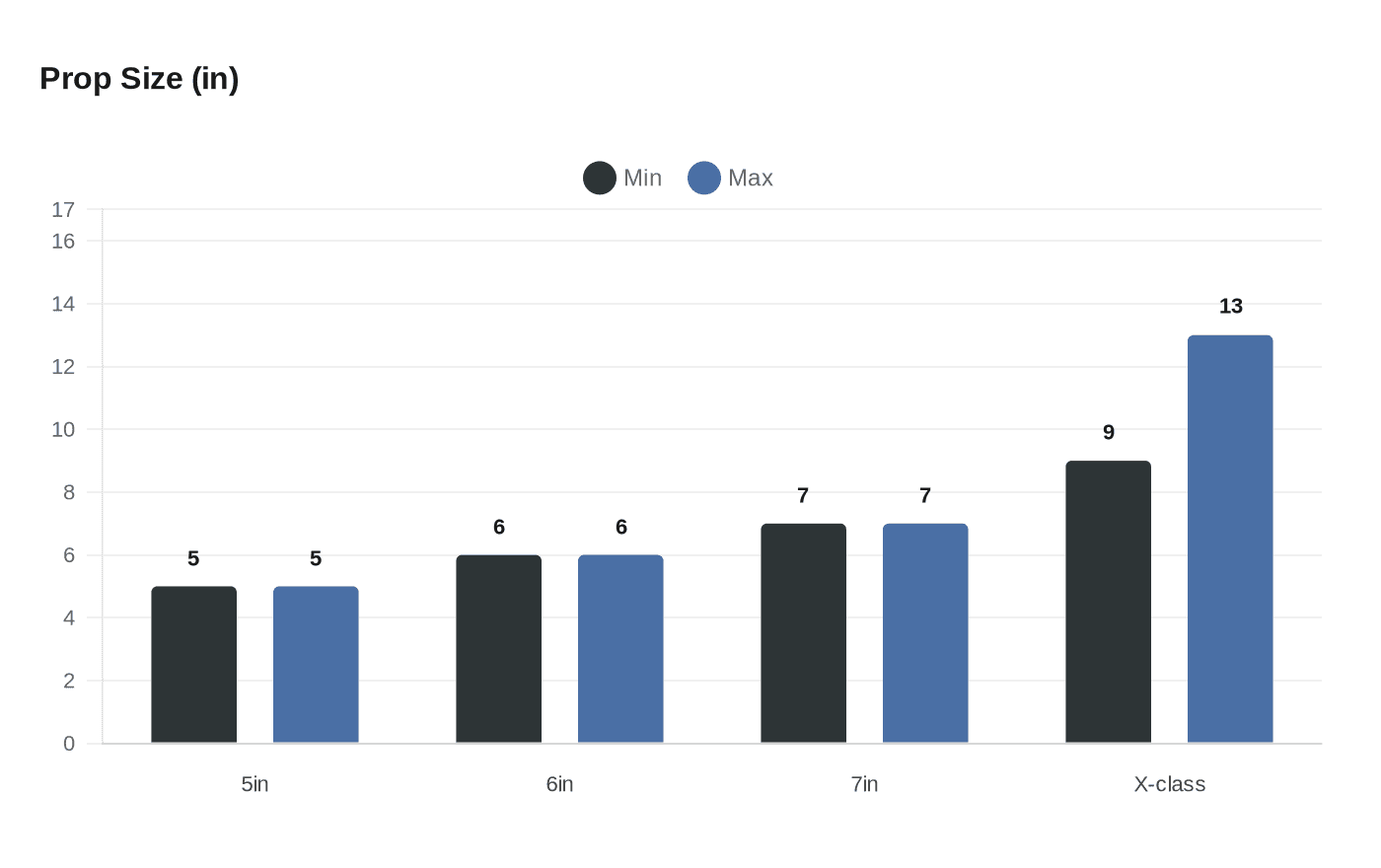
How classes and frame sizes translate to performance Frame and prop size drive the role a drone plays. Oscarliang’s buyer’s-guide language is clear on tradeoffs: larger props and frames add weight, drag and momentum, which blunt responsiveness. “However, their larger size also means more weight, drag, and momentum. As a result, they are less agile and responsive compared to 5-inch drones, making them less suitable for freestyle or racing. Due to these trade-offs, 6″ and 7″ drones are primarily used for cruising and long-distance flying rather than close-proximity acrobatics.”
At the top end are the X-class and Beast class rigs: “X-class and Beast class drones are the largest and most powerful in this list, and are not recommended for beginners due to their high cost, maintenance, and potential danger. X-class drones have frame sizes between 800mm-1200mm and use 9-13 inch propellers, while Beast class drones use sub-800mm frames. Both classes are typically used for racing or high-performance flying.” Put simply: 5-inch quads remain the benchmark for responsiveness in most club-level racing and freestyle; 6/7-inch builds and above lean to momentum-heavy cruising or cinematic rigs; X/Beast rigs are specialty, high-cost platforms for pilots who can manage maintenance and risk.
Choosing a video/FPV system Oscarliang’s breakdown of video systems is one of the clearest technical tradeoff charts you’ll find: 1. Analog: It was the standard in the FPV community for many years. Analog is generally more affordable and offer low latency. The smaller size and lighter weight of analog components make them more suitable for micro FPV drones, such as Tiny Whoops. However, analog video quality is the least desired, often suffering from static and breakups throughout the flight. 2. DJI: Most expensive but also offers the best image and transmission quality. 3. Walksnail: Often considered the alternative to DJI, but image quality isn’t as good as DJI. 4. HDZero: Praised for its low latency, popular in racing, but image quality is not as good as DJI and Walksnail. That comparison maps directly to budgets and mission: if you race and need razor-low latency, HDZero or analog setups remain competitive; if cinematic image and robust long-range transmission matter, DJI still leads — at a premium.
RTF vs ARF and the build tradeoff The buying decision between RTF (ready-to-fly) and ARF (almost‑to‑fly) shapes who you become as a pilot. BestReviews’ fragment flags that distinction in a buyer-focused primer; the community experience supports it — “Most all of these FPV quads are built by the pilots that fly them,” which explains why many racers favor ARF kits or full builds. Building or assembling increases upfront labor and parts vigilance, but it lowers the cost of repairs: when carbon arms and motors break in a crash, you’re swapping parts instead of shipping a whole drone back to a vendor.
Practice, crash economics and spare parts Urbandrones’ practical advice is blunt: “Practice Is Essential. Professional racing drone pilots make flying look easy, but in actuality, it takes time to grow accustomed to the controls. Racing drones don’t come equipped with flight assistance like other types of drones do. You’ll need to practice a lot to minimize your crashes... You can also find simulators where you direct the course of a virtual drone to cultivate your dexterity.” And because crashing is part of the learning curve, Urbandrones also cautions: “You’ll Need Spare Parts... Crashing is unavoidable when you’re learning to race a drone at high speeds... be sure to bring along spare parts... This is especially true if you’re competing in a race. Having multiple parts can also come in handy when you want to experiment with different configurations.” Expect recurring parts spend — props, motors, ESCs and frames — and plan a parts kit for race day.
Regulatory lines you should not ignore Urbandrones reduces the legal risk to a few blunt rules under the heading “There Are Drone Laws”: “Remote-controlled racing drones, though small, are still aircraft. The Federal Aviation Administration places certain regulations on drone flying to ensure people stay safe. Racing drones indoors is usually less restrictive. However, in the open air, you should be more careful. Depending on the circumstances, you may need to obtain a license to fly your drone. You should also be aware of broad rules, such as keeping your drone under a speed of 100 mph, keeping your drone in your line of sight, and never flying more than 400 ft above the ground. This will ensure you don’t accidentally cause a problem. [...]” Treat those figures as operating rules flagged by a community guide — they’re the practical constraints that will determine whether a weekend race is a lawful event or a headache.
Cost, testing and how to lower the barrier to entry The community’s cost-sensitivity shows up in advice and anecdotes. One commenter claimed bluntly: “If you follow these simple suggestions I can assure you Czabe just saved you between $200 – $1000 of mistakes and bad purchases.” Another reader (chris 13th July 2017 - 2:10 pm) asked whether short-term rental or “racing experience” options exist as a test before buying. If you’re budget-conscious, look for local clubs and rental experiences that let you test a Tiny Whoop or a 5-inch racer before committing to a full build and the inevitable spare-parts budget.
Final point Pick the axis that matters most to you — image fidelity and flight time or cockpit speed and agility — and build a plan around it: choose a frame class that matches intended flying (5-inch for racing, 6–7-inch for cruising, X/Beast for high-power events), pick a video system that balances latency and image quality (analog/HDZero for racing latency, DJI for image quality), and budget for inevitable crash repairs and spare parts. The buying guides and community quotes here make one practical promise: informed choices reduce rookie spending mistakes and get you on track faster — whether that means buying RTF simplicity or embracing the ARF/build route that most FPV racers live with.
Know something we missed? Have a correction or additional information?
Submit a Tip