What Visitors and New Residents Need to Know About Downtown Lewisburg
Downtown Lewisburg is the compact, historic heart of Union County—centered on Market Street and the Susquehanna River—and visitors and newcomers should verify Bucknell ties, events, and services before arranging plans.
1. Downtown Lewisburg’s defining identity
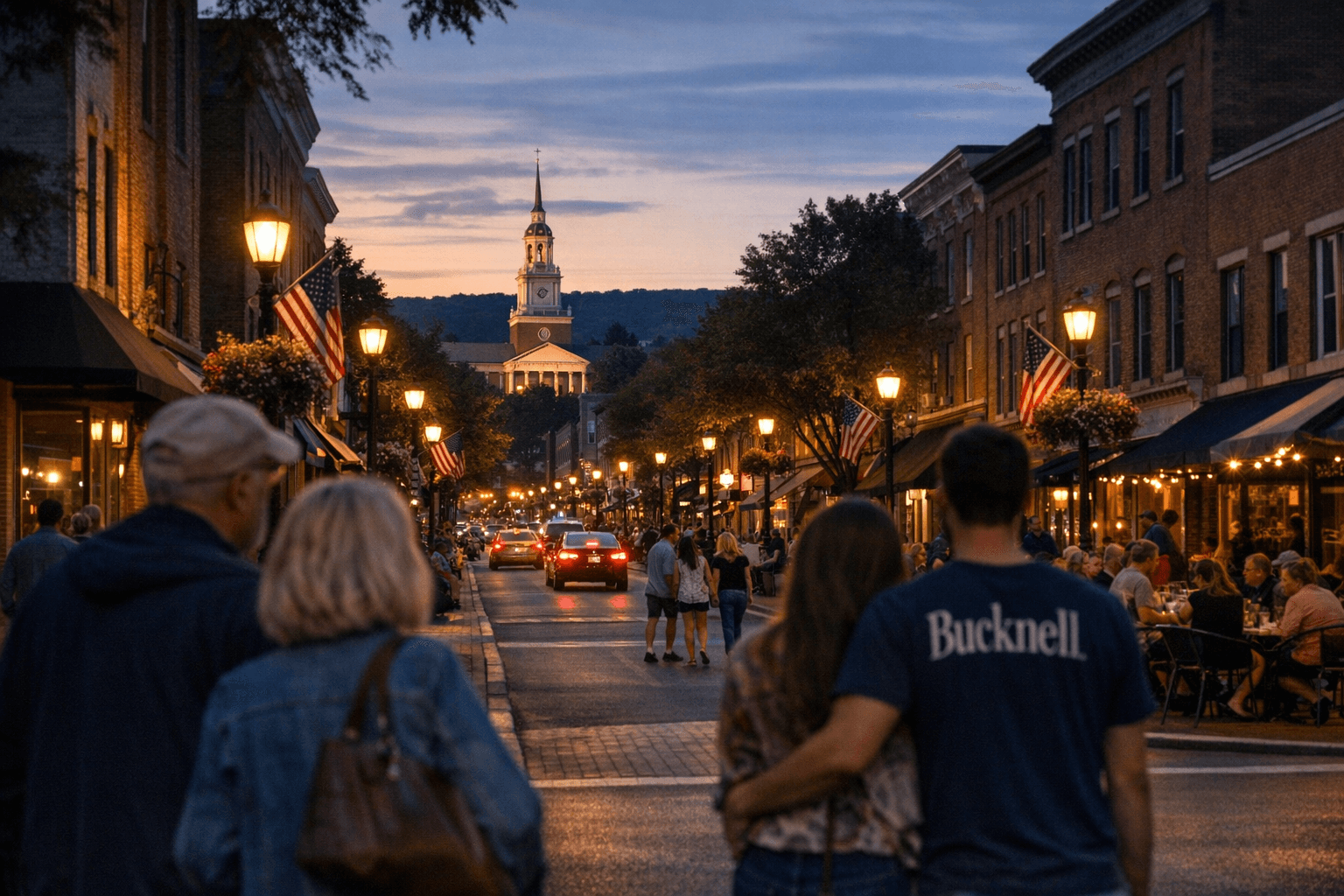
“Downtown Lewisburg is the historic and commercial heart of Union County and a compact walkable district centered on Market Street and the Susquehanna River.” That single verified description captures what guides and local officials consistently emphasize: a concentrated core where history, retail and civic life meet. Expect short blocks, storefronts clustered along Market Street, and easy pedestrian access between shops and the riverfront.
2. Market Street is the spine of activity
Market Street is named in the brief as the central corridor; it functions as the downtown spine and is where the bulk of commercial activity, cafes and municipal services are concentrated. Because the district is described as compact and walkable, plan visits around on-street activity—store hours, farmers markets or parades will most often occur along Market Street, so check the borough or chamber calendar for specific street closures or event footprints.
3. The Susquehanna River anchors public space and recreation
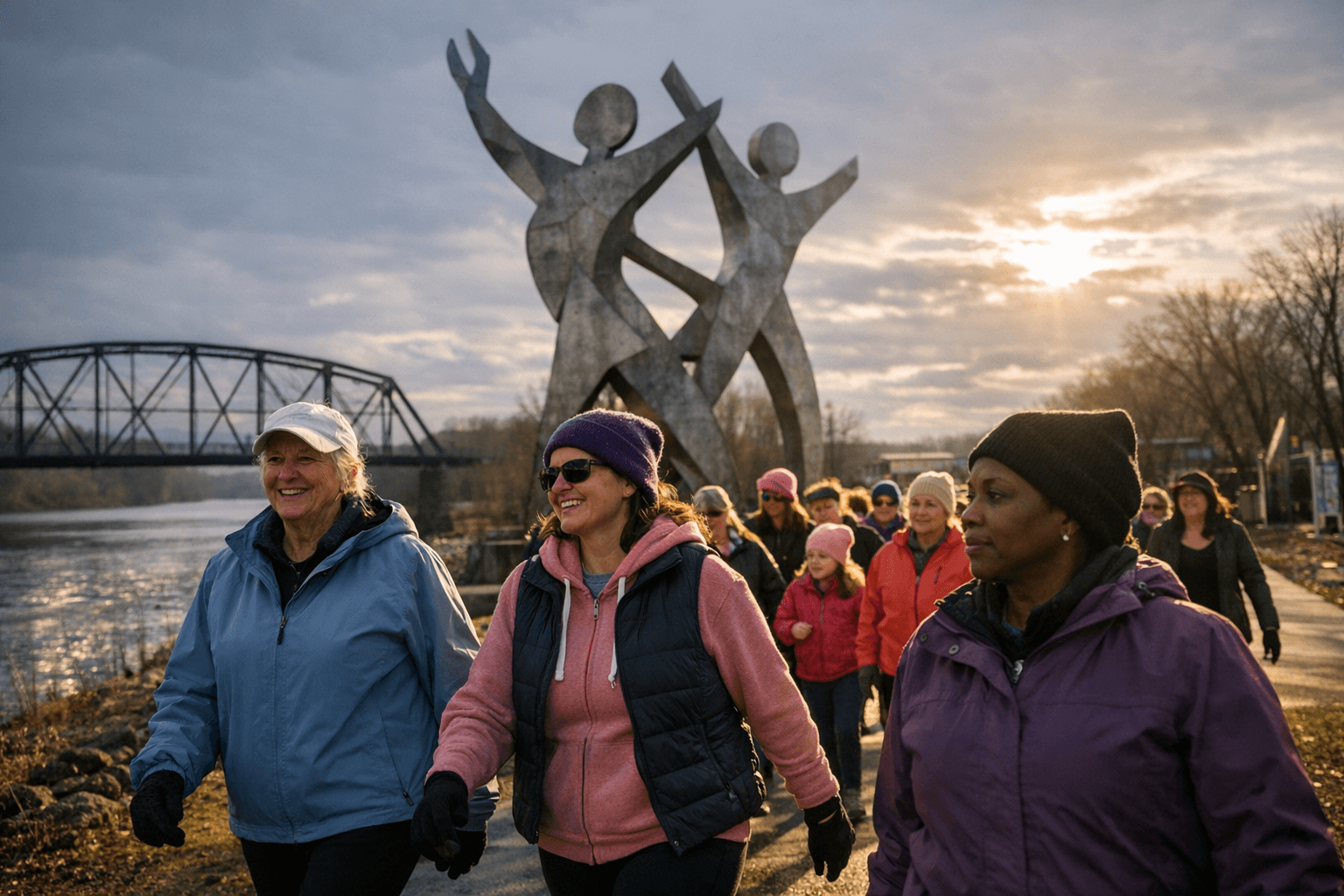
The original summary identifies the Susquehanna River as a geographic anchor for downtown: riverfront access is integral to the district’s character. Visitors should look for riverfront trails, public green space and waterfront programming managed by municipal or county agencies; newcomers should confirm which sections are publicly maintained and whether seasonal or flood-related restrictions apply before scheduling river-based activities.
4. Bucknell University ties matter—confirm specifics
The assignment title flagged Bucknell ties as a key topic; the supplied material, however, did not include details on Bucknell’s programs or partnerships. Bucknell University likely shapes downtown demand for housing, restaurants and cultural events, so verify exact connections—student-facing events, community partnerships, and arts programming—directly with Bucknell University public affairs or the university events calendar before relying on them for planning.
5. Historic preservation and local context to check
The brief calls Downtown Lewisburg “historic,” which implies preserved architecture and a municipal interest in heritage tourism. New residents should contact the Union County historical society and the Lewisburg chamber to identify locally designated landmarks, design-review rules for renovations, and any tax or grant programs for historic properties. Those details will affect renovation timelines, permitting and long-term property upkeep obligations.
6. Festivals, markets and the annual calendar
The guide concept includes festivals and markets as essentials for visitors and new residents, but no event names or dates were supplied. To plan attendance or to anticipate periodic street closures and parking impacts, consult the Lewisburg Chamber of Commerce and the borough event calendar for festival names, permit holders and vendor applications. If you plan a move or a business opening, verify event schedules months ahead—festival season often drives peak foot traffic downtown.
7. Mobility, parking and the walkable downtown experience
Because Downtown Lewisburg is characterized as compact and walkable, visitors should expect a pedestrian-first layout where parking is concentrated in lots and short-term curb spaces near Market Street. New residents and businesses should confirm municipal parking rules, enforcement hours and any resident permit programs through Lewisburg borough offices to avoid surprises during high-traffic weekends or university-related events.
8. Housing, schools and moving logistics to research
The brief names new residents as a target audience but provides no housing data. Prospective movers should engage local institutions identified in the research recommendations—Lewisburg Chamber, Bucknell University public affairs, and Union County government—for referrals to trusted local real estate agents, rental listings, and school-district boundaries. Those organizations can also point to municipal services, trash schedules and utilities setup that affect move-in timing and costs.
9. Business environment, governance and accountability
The description of downtown as the county’s commercial heart implies an active local business community; anyone opening a storefront or assessing economic conditions should consult the Lewisburg Chamber and borough planning officials for current zoning, licensing and development standards. Ask for the latest downtown economic reports or meeting minutes that reveal planned public works, grant awards or infrastructure projects that could affect traffic patterns and property values.
10. How to verify these essentials—and why you should
Before arranging a visit or a move, confirm three core facts directly: Market Street hours and any event schedules (Lewisburg Chamber/borough calendar); specific Bucknell partnerships and campus events (Bucknell public affairs); and historic-property or zoning rules (Union County historical society/borough planning). Treat those confirmations as the baseline for practical planning—they determine parking, service availability, renovation timelines and downtown livability—and they ensure the compact, riverfront character described in the brief matches the on-the-ground reality you’ll experience in Lewisburg.
Know something we missed? Have a correction or additional information?
Submit a Tip